



3 Things You Missed at NADA This Year
From information security to tech's impact on staffing, changes demand keeping up with the latest developments.

Ryan Daly
IMAGE: KPA
The 2023 NADA conference was filled with some of the brightest minds and innovative ideas the automotive industry has to offer. And while there were plenty of impactful conversations and sessions (itinerary here), I’ve identified three of the most trending topics for you to keep in mind throughout the year.
The 2021 Safeguards Rule Update Is Still Top of Mind
Since its release in 2003, the Safeguards Rule has mandated that financial institutions develop, implement and maintain a written information security program for customer information.
The Federal Trade Commission amendment to the rule, announced December 2021, introduced sweeping changes that addressed the progression of technology and cybersecurity threats. And with the FTC pushing the enforcement date from Dec. 9, 2022 to June 9, 2023, dealerships that didn’t already implement those changes now have an additional grace period.
But, as of my writing this, three months isn’t a long time – especially if you haven’t started upgrading your dealership’s information security program. This isn’t work that the typical IT team can pull together at the last minute.
In fact, typical update tasks range from maintaining a user log of activities to implementing multifactor authentication for anyone accessing customer information on your system.
Fortunately there are plenty of helpful articles to help you start updating your program, and you can always lean on the expertise of outside firms and consulting organizations to come in and arm you with specific takeaways for your dealership.
New Technology Demands New Approaches to Staffing
It can sometimes feel like building a car is like building a two-ton computer. And while there are plenty of ICE vehicles without rearview cameras or touchscreens on the streets, that number will certainly decline over the coming years and decades.
Technology, such as self-driving cars, might be shaky right now, but there are plenty of other modifications to the average automobile hitting the manufacturing floor today. And those advancements don’t just impact the parts you assemble and order. They also impact the recruitment strategies you deploy.
This leads me to a larger conversation attendees had at NADA this year: As technology progresses, employees’ knowledge of automotive technology needs to progress with it.
In other words, whether you’re hiring in-house mechanics or salespeople, you need to ensure you’re not just attracting qualified candidates but that you’re also training them to stay at the top of their game.
That hiring strategy might start by forming partnerships with local high schools or trade schools – dealerships in my area have even organized their own “signing days” for recent graduates. But the best hiring strategies extend beyond those signing days. They involve regimented training programs that keep employees up to date on everything from safety data sheets to semiconductors to blind-spot alert systems.
Proposed FTC Vehicle-Shopping Rule Benefits Dealerships, Consumers
This year’s NADA conference was packed to the brim with talk of FTC rules. And a June FTC proposal aimed at regulating the automobile buying process was a big reason.
At first glance, the rule proposal may seem as though it hamstrings dealers’ ability to drive profits. But it could actually lend its way to helping your dealership sell more.
Today’s consumer wants to simplify the car-buying process as much as possible. And with the abundance of online price-match guarantees, car salespeople don’t do much selling anymore. They’re presented with a price. If they can match it or go lower, they get the sale. If not, they risk losing the sale.
The recent rule proposal combats that trend by banning dealerships from artificially price gouging their competitors.
Think of it this way: You’re buying a car. You see a dealership 60 miles from you has a hybrid vehicle at an absolute steal. But the dealership five minutes from you also has that hybrid model in stock, though at a higher price point. You try the dealership near you first, thinking you can negotiate. The employees at the nearby dealership are astounded by the other dealership’s price. They can’t match it.
You drive 60 miles to the other dealership. You realize, yes, the car is listed at that lower price, but there are add-ons and surcharges that bring the total cost much higher. You’re frustrated, and now you possibly don’t want to buy from either of them.
That’s the scenario this FTC rule proposal is trying to prevent. Will there be some tweaks to the rule before – or if – it’s finalized? Absolutely. But at its core, the rule accomplishes two objectives. One, it lets dealerships sell themselves to consumers. Two, it lets salespeople sell vehicles – not prices. And that’s a situation every dealership should celebrate.
Ryan Daly is district manager F&I East Central Region for KPA, an EHS and workforce compliance software and services provider for midsize businesses.
Originally posted on F&I and Showroom
More Industry

Missed Maintenance Creates Opportunity
As families get back on the road and into daily school routines, service drives have an opportunity to capture customers who are behind on recommended vehicle maintenance.
Read More →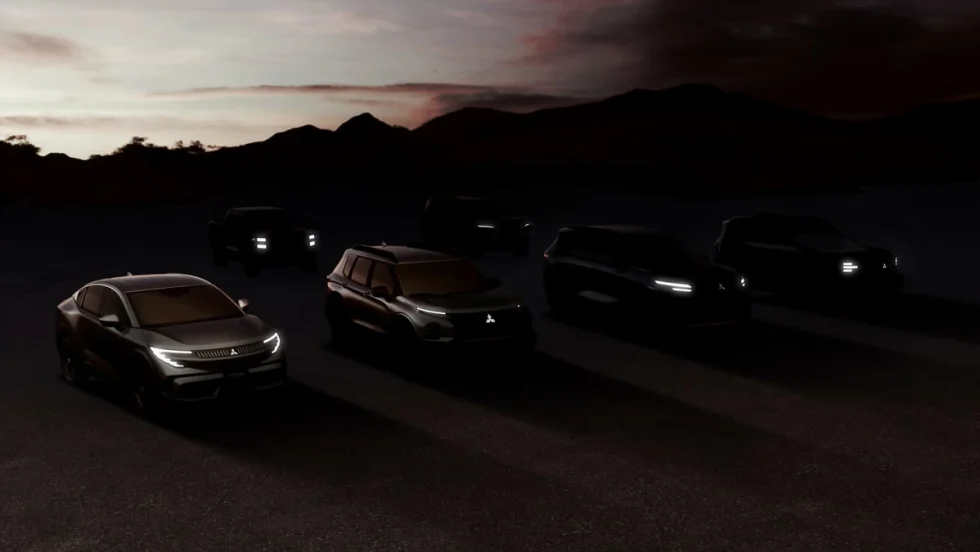
Mitsubishi Unveils U.S. Plan
The automaker announced a strategy that includes an expanded lineup and dealership presence, along with more ‘rugged’ and electric models.
Read More →
Selling to Grow
The question of whether you should sell your agency and if so, when, is up to you. But it’s a question worth asking to ensure you keep the business on the right path for yourself, employees and clients.
Read More →
Recalled Vehicles Hit 5-Year High
Though the number of events has fallen so far this year, impacted units are up significantly. Meanwhile, regulators consider consumer notification changes.
Read More →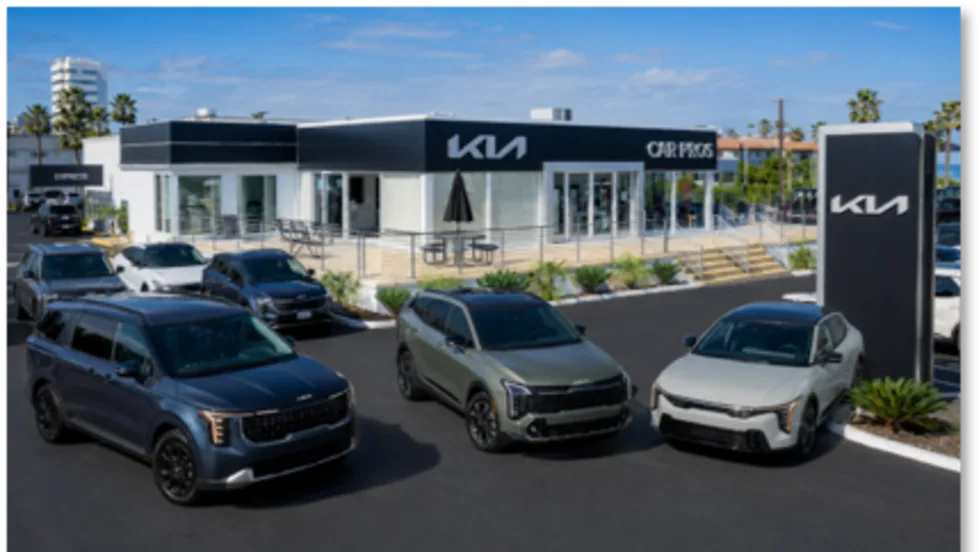
Auto Group Acquires Top-Performing Rooftop
Car Pros sold its Kia Huntington Beach location to Sutherlin Automotive Group, marking the buyer’s third location in Southern California.
Read More →
China as Pacesetter
Automotive leaders huddled on where North America stands in the global picture and how it can strengthen its position against the Asian juggernaut’s surging industry.
Read More →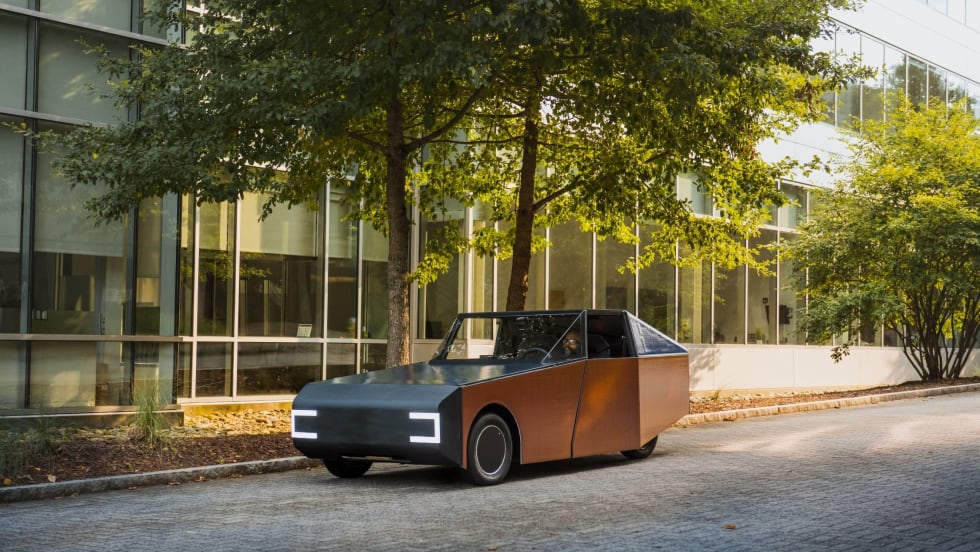
BMW Concept Car Makes Fuel to Burn
The prototype developed in concert with a South Carolina university engineering team generates more solar energy than it uses in a typical daily commute.
Read More →
South Carolina Auto Group Downsizes
Florida-based group Holler-Classic has acquired four rooftops, its first in South Carolina, from Dick Smith Automotive Group.
Read More →
July Was Hot for Auto Borrowers
Credit proved readily available for many, but most loans left buyers in negative territory, Cox Automotive said.
Read More →
Structure Leads to Optimized Auto Listings
As the average car-buying journey has shifted to a blend of digital and retail, a dealership’s vehicle listings must be optimized to answer shoppers’ questions clearly and accurately.
Read More →