



14 Million In 2011? It Could Happen

Figure on a slow and steady recovery in U.S. auto sales next year -- a rise of about 10 percent, according to the consensus of analysts surveyed by Automotive News. But one outlier predicts a much bigger jump in 2011 and offers some compelling data to back it up.
The consensus is for 2011 volume of 12.7 million sales, a 10 percent increase if this year ends at 11.5 million units. All but one of the seven analysts predicted a market of 12.5 to 12.9 million.
But Morgan Stanley says consumer creditworthiness is improving so rapidly that lenders are about to loosen credit dramatically -- and that will rocket the market to 14 million units in 2011, reported Automotive News.
"The catalyst is credit availability -- a bigger impediment to auto sales than tight inventories or low demand," says Ravi Shanker, Morgan Stanley's lead analyst for North America.
Morgan Stanley is far from other forecasters on 2011, but less so after that. In 2012, Morgan Stanley sees 15 million sales. IHS Automotive predicts 14.8 million, which is close to the others.
"Everybody gets to the same place," Shanker says. "We just get there faster."
Analysts simply don't agree on whether auto sales will recover as fast as they fell. So far sales have not snapped back, and most analysts say we won't get a V-shaped recovery. But Shanker thinks otherwise, citing Morgan Stanley proprietary indices of credit quality and availability.
"Credit quality and availability always move in lockstep, with availability trailing quality by three months," he says. "Now credit quality is rising quickly and is near historic highs. Even a small change in lender attitude means more auto loans and more affordable terms."
But too many fundamental economic factors are weak for one improvement to break the logjam, counters senior analyst George Magliano of IHS Automotive. Jobs, housing and credit are all huge drags on auto sales.
"There will be no massive surge in the short term," he says.
Magliano says there could even be a first-half dip before sales improve in the second half.
Jesse Toprak, vice president of industry trends for TrueCar.com, says this crisis is different from previous auto sales slumps and recoveries.
"This recovery has been slower than ones we have seen in other industries, and it will stay that way," he says.
"The auto industry needs time to recover from a decade of overproducing and selling on the deal instead of the merits of the vehicle."
Brightening a bit, Toprak says automakers have not reverted to overproducing and excessive incentives to grab market share because they have fresh memories of where they went too far.
Dan Montague, senior analyst at PricewaterhouseCoopers Automotive Institute, is the most pessimistic of those surveyed, forecasting a market of 12.5 million for 2011.
"We still have a good bit of downside risk, perhaps as low as 12 million," he says. "I just don't see an environment healthy enough to put the car buyer back in the game."
Jeremy Anwyl, CEO of Edmunds.com, says uncertainty over jobs, housing and the economic stability of Europe and emerging markets keeps prospective buyers on edge.
"None of these factors have any certainty," he says. "It's a lot of wild cards."
Even the lower incentives being offered by automakers hurts unit sales because they effectively raise prices, Anwyl says. And lower volume doesn't generate positive headlines, he adds.
"If there's good news, confidence feeds on itself," Anwyl says. "That's why recoveries tend to be very steep. I'm not sure it'll happen that way this time."
Even if the analysts do not agree on the pace of the recovery, all expect higher sales next year.
TrueCar's Toprak says three traditional factors -- jobs, housing and consumer confidence -- have been strongly linked to sales the past three years. But since January 2007, he says, the strongest predictor is the Dow Jones Industrial Average.
And the Dow has risen sharply since mid-September.
"It's what you hear," Toprak says. "It sets the public mood for consumption. If the Dow is up, it's a green light for the consumer to buy."
More Industry
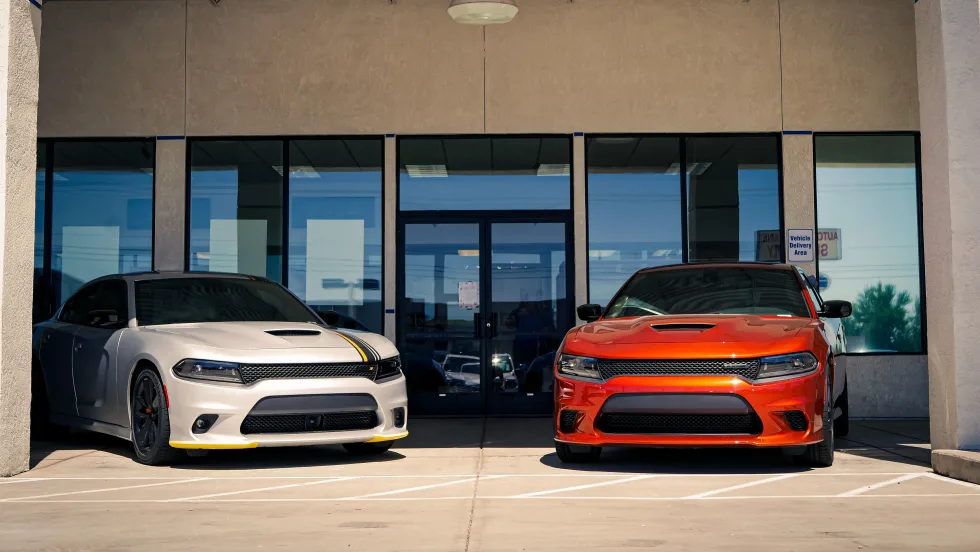
Auto Affordability Inches Up
The latest Cox Automotive and Moody’s Analytics index shows a slight increase in new-vehicle affordability despite high prices.
Read More →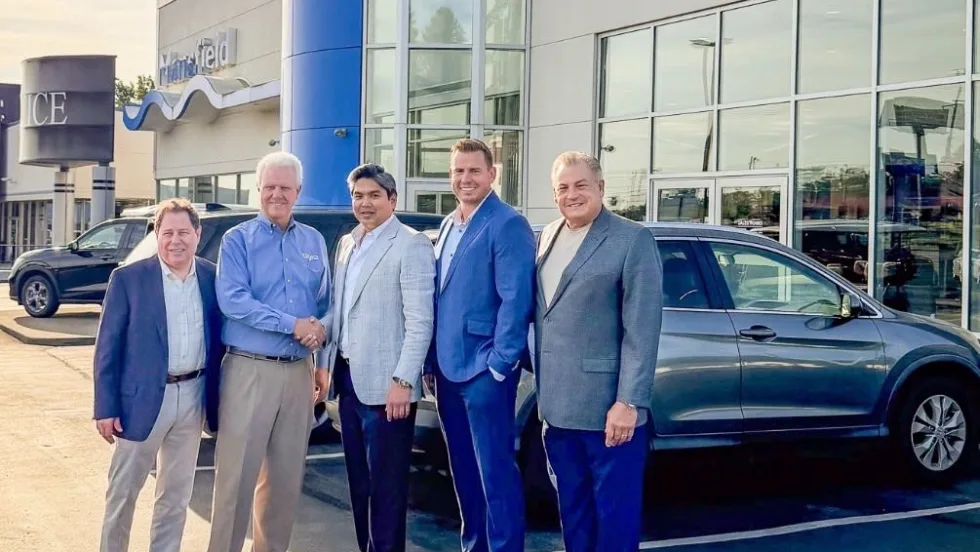
Ohio Auto Group Under New Ownership
After 79 years with the Schluter family, Mansfield Auto Group has been acquired by Missouri-based Clement Auto Group.
Read More →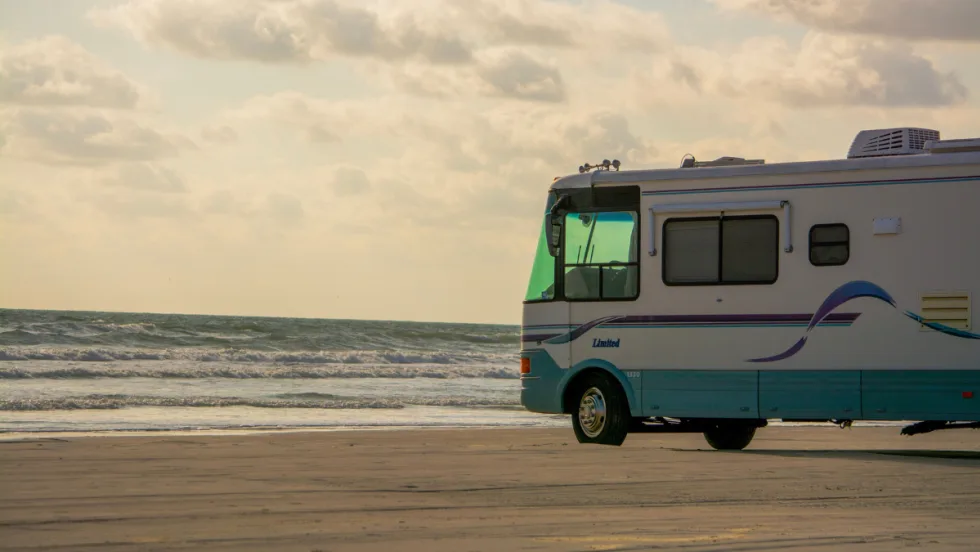
RV Group Expands Carolina Footprint
Blue Compass RV Columbia Northeast is the 13th RV dealership owned by Blue Compass in the Carolinas.
Read More →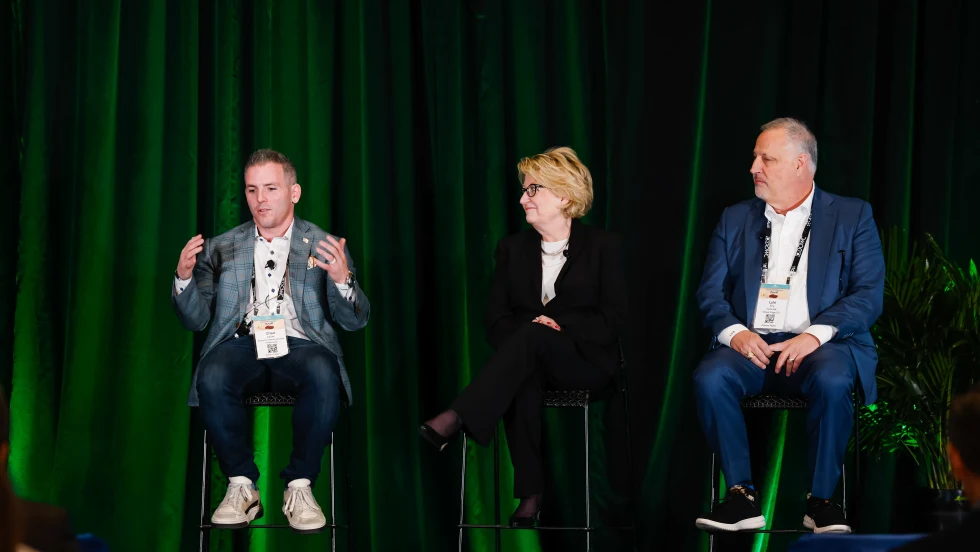
Agent Acumen
An Agent Summit panel of people who’ve been supporting auto dealers for years gave both timely and timeless advice for those starting out or mulling the prospect.
Read More →
Missed Maintenance Creates Opportunity
As families get back on the road and into daily school routines, service drives have an opportunity to capture customers who are behind on recommended vehicle maintenance.
Read More →
Mitsubishi Unveils U.S. Plan
The automaker announced a strategy that includes an expanded lineup and dealership presence, along with more ‘rugged’ and electric models.
Read More →
Selling to Grow
The question of whether you should sell your agency and if so, when, is up to you. But it’s a question worth asking to ensure you keep the business on the right path for yourself, employees and clients.
Read More →
Recalled Vehicles Hit 5-Year High
Though the number of events has fallen so far this year, impacted units are up significantly. Meanwhile, regulators consider consumer notification changes.
Read More →
Auto Group Acquires Top-Performing Rooftop
Car Pros sold its Kia Huntington Beach location to Sutherlin Automotive Group, marking the buyer’s third location in Southern California.
Read More →
China as Pacesetter
Automotive leaders huddled on where North America stands in the global picture and how it can strengthen its position against the Asian juggernaut’s surging industry.
Read More →