



Tire and Wheel is Strong and Getting Stronger

Tire and Wheel is Strong and Getting Stronger
Tire and wheel road-hazard protection has become one of the fastest-growing products provided in the F&I office. While there are a few isolated areas of the country that have endured high increases in the cost of this product, for most it is a great profit opportunity for the dealer, and a great value for the customer. That’s a recipe for success.
There are three trends fueling this growth.
1. The evolution of the type of tires and wheels on today’s vehicles.
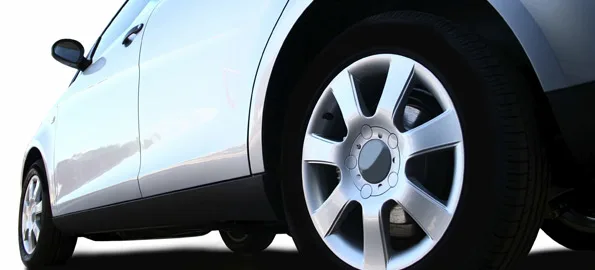
Customers are demanding wheels that enhance the look of the vehicle. The manufacturers have responded with alloy wheels that are bigger and more costly to replace if damaged. The larger wheels are complemented by low-profile tires. Both factors have produced a tire and wheel that are more susceptible to damage. Tires are the contact point of the vehicle with the road and are purposely excluded from almost all manufacturers' warranty coverage. This provides for a level of risk to the customer and genuine need for protection.
2. The bundle.
Many providers are bundling products that are attractive to customers, which is driving acceptance levels. An example would be tire and wheel together with paintless dent repair, windshield protection, key replacement and roadside assistance on import vehicles that do not provide this, along with the other factory coverages. We live in a “bundle” retail environment and there is a perceived value with customers when they are presented products in this manner, as opposed to a long list of individual products. It’s how they buy fast food, cell phone service, Internet and cable/satellite television service — and it is a preferred way to buy protection on their vehicle.
3. Training, training and more training.
Technology has provided fast menu options that are integrated with DMS systems. Many come with pre-loaded videos to illustrate the value of the coverage. However, these offerings have not driven acceptance levels. Today’s F&I manager must be prepared to provide the cost to replace a tire and/or wheel on the vehicle the customer is buying to show the level of exposure. F&I managers lose credibility if they tell a customer the cost of replacing a tire and wheel on the vehicle they are buying is “around $600.” However, if they are told “the cost would be $183 for the tire and $378 for the wheel for a total of $561,” that tells the customer you know what you are talking about and makes the likelihood of selling the product go up dramatically.
An interactive process that discovers why that particular customer needs the coverage — and the ability to match that to the benefit provided — will always lead to more sales. Does the vehicle being purchased have a full-size spare? Does the vehicle have run-flat tires, and how does that affect the cost of replacement? What is the series of the tire? All these are questions the F&I manager must know the answer to for the vehicles they offer. This requires consistent training and follow-up to assure that a fact-filled, needs-based process is being used to sell the product. Technology, menus and videos do not sell F&I products — well-trained F&I professionals do.
All products have life cycles, and tire and wheel road-hazard protection is still young by comparison. It provides needed coverage at a value-based price to the customer and is providing good profit levels for dealers. Bottom line, it is a great product that is a strong performer and is still growing stronger everyday. The key is to train the F&I manager to utilize a needs-based sales process and have a level of product knowledge that will drive sales. Now let’s get busy helping customers make good buying decisions!
More Industry

Penske Auto Group Deal a Record
The deal to take the dealership and transportation services company private sets a new pace for industry buy-sell transactions.
Read More →
War Toll a Damper on Used Auto Prices
Cox Automotive found wholesale depreciation to be elevated in September amid high fuel prices and this year's unusual hurricane season.
Read More →
Bridge the Maintenance Gap
With many drivers missing recommended maintenance, service departments offering transparency and efficiency have a better chance of reaching financially strained consumers.
Read More →
California Store Has New Owner
The longtime dealership in the northern part of the state is known for robust fleet sales and has served the state capital for 115 years.
Read More →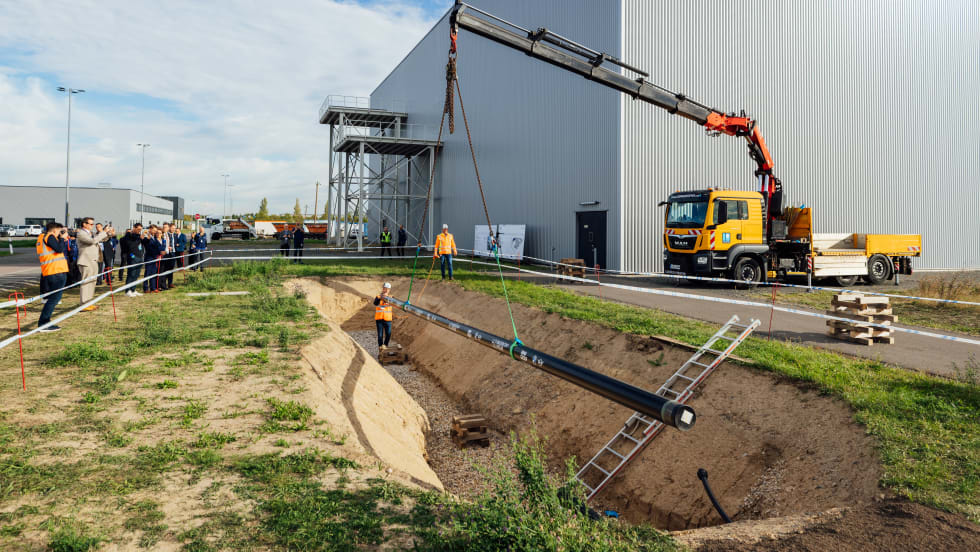
BMW Plant Pursues Cleaner Energy
BMW Group Plant Leipzig has utilized hydrogen to help power its production since 2013, but a new pipeline is planned to take it to another level.
Read More →
Auto Affordability Inches Up
The latest Cox Automotive and Moody’s Analytics index shows a slight increase in new-vehicle affordability despite high prices.
Read More →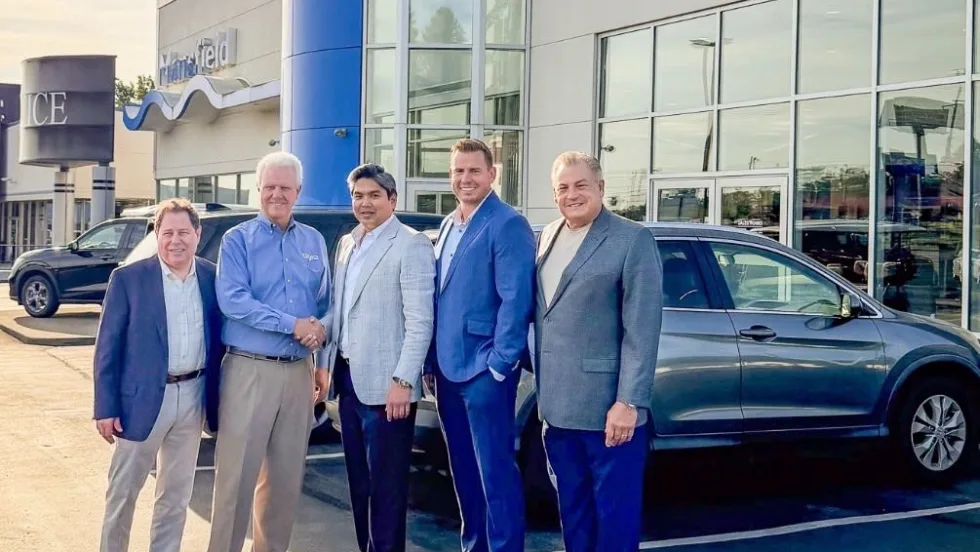
Ohio Auto Group Under New Ownership
After 79 years with the Schluter family, Mansfield Auto Group has been acquired by Missouri-based Clement Auto Group.
Read More →
RV Group Expands Carolina Footprint
Blue Compass RV Columbia Northeast is the 13th RV dealership owned by Blue Compass in the Carolinas.
Read More →
Agent Acumen
An Agent Summit panel of people who’ve been supporting auto dealers for years gave both timely and timeless advice for those starting out or mulling the prospect.
Read More →
Missed Maintenance Creates Opportunity
As families get back on the road and into daily school routines, service drives have an opportunity to capture customers who are behind on recommended vehicle maintenance.
Read More →