



The Real Burden of Leadership
A conversation we’re not having enough

There should be a clear, personal why for leading.
Pexels/Miguel A. Padriñán
Business Day News defines the burden of leadership as “the weight of responsibility and expectation that comes from being in leadership.”
That’s a powerful 10,000-foot view.
But what does that weight feel like when your boots are on the ground—leading a team, making the tough calls, and carrying the emotional load of those who count on you?
In my experience, this is one of the most overlooked conversations in business. It’s also the very first one I have with anyone I’m mentoring as he or she steps into leadership.
Before we talk about strategy, performance or management style, we talk about weight.
Why Do People Aspire to Management?
Let’s start at the beginning: Why do people become managers?
And yes, I use the word manager deliberately, because in all my years in business, very few titles include the word leader. And that distinction matters.
In my view, people usually pursue management for three reasons:
It seems like the natural next step.
They want more money or influence.
Ego
None of these are inherently wrong. In fact, they’re very human. It takes a healthy ego to believe in your ability to lead. It takes ambition to climb. And it’s perfectly reasonable to seek more responsibility as your skills grow.
But the issue isn’t the reason itself. The issue is whether that reason includes a clear, personal why for leading.
The ‘Natural Next Step’ Trap
One of the most common leadership pitfalls starts with a promotion.
We’ve all seen it: Atop-performing individual contributor gets promoted to management because he or she was great in the job. Then—almost immediately—they struggle. Performance drops. Confidence fades. The team suffers. Leadership begins to question the decision.
What went wrong? They didn’t have a why.
The truth is that leadership isn’t just a promotion; it’s an entirely different job. And without a compelling reason to lead, the burden can become overwhelming.
The Weight
The real burden of leadership isn’t about just long hours or difficult meetings. It’s about:
carrying emotional and psychological responsibility for others
showing up on your worst day and still being consistent
making decisions that affect people’s livelihoods
absorbing stress so your team can keep moving forward
And no job title prepares you for that. That’s why I always begin with one simple question: Why do you want to lead?
If the answer is vague, external or assumed—we stop right there. Because if you don’t have a personal connection to the responsibility of leadership—not just the perks—you’ll eventually burn out, or worse, bring others down with you.
It took years for my own answer to become clear. But deep down, it was always there: I love seeing people grow. I love knowing I made a positive impact.
Leadership Is a Decision, Not a Reward
We need to stop treating management as the default career path. Leadership should be a deliberate, values-based decision rooted in a desire to serve, develop and elevate others, not just ourselves.
So before you take the next step, ask yourself:
Am I prepared to put others first, even when it’s hard?
Do I find fulfillment in helping others grow?
Can I make peace with being misunderstood or standing alone at times?
Am I willing to carry the weight?
If your answer is yes—welcome. You’re stepping into one of the most challenging yet meaningful roles in business.
If your answer is no or not yet—that’s OK, too. Knowing that early is not failure; it’s self-awareness.
Final Thought
The burden and reward of leadership is real. It can be heavy. It’s often humbling. It’s even thankless at times.
But for those who choose it for the right reasons, it’s also transformative—not just for teams and organizations but for the leaders themselves.
Let’s have this conversation earlier. Let’s have it more often. Because leadership isn’t just a title change. It’s a life change. And it all begins with asking the right question: Why do you want to lead?
John Leaver is vice president of sales for CARS Protection Plus.
EDITOR’S NOTE: This article was authored and edited according to Agent Entrepreneur editorial standards and style. Opinions expressed may not reflect that of the publication.
More Industry

Penske Auto Group Deal a Record
The deal to take the dealership and transportation services company private sets a new pace for industry buy-sell transactions.
Read More →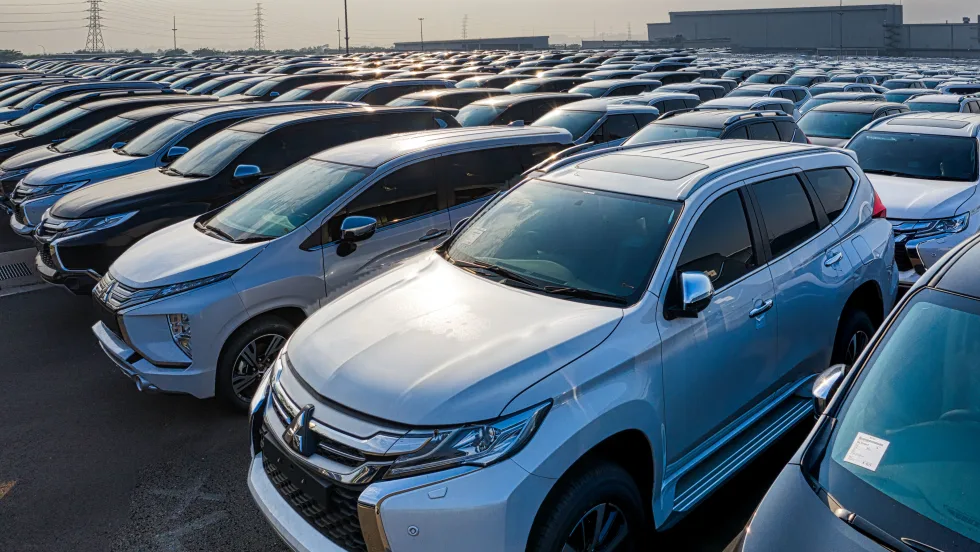
War Toll a Damper on Used Auto Prices
Cox Automotive found wholesale depreciation to be elevated in September amid high fuel prices and this year's unusual hurricane season.
Read More →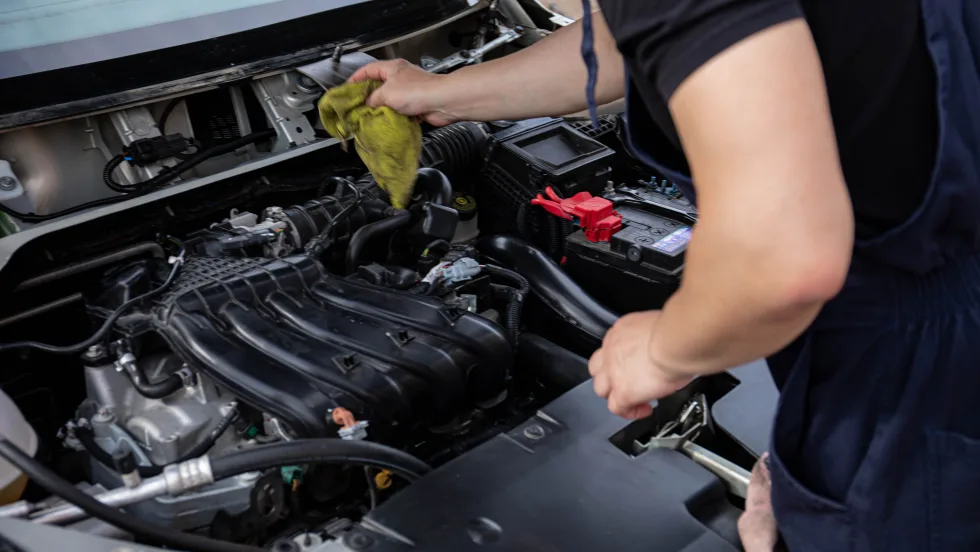
Bridge the Maintenance Gap
With many drivers missing recommended maintenance, service departments offering transparency and efficiency have a better chance of reaching financially strained consumers.
Read More →
California Store Has New Owner
The longtime dealership in the northern part of the state is known for robust fleet sales and has served the state capital for 115 years.
Read More →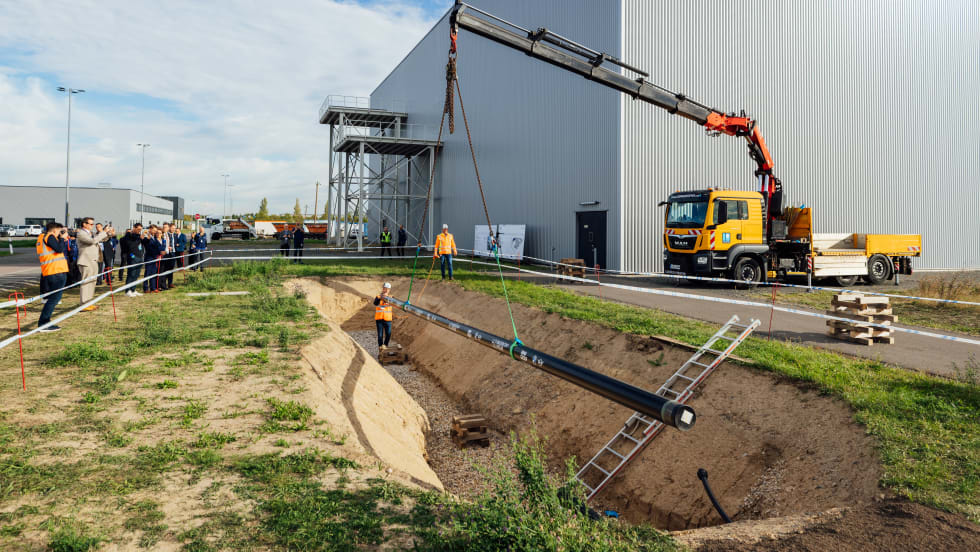
BMW Plant Pursues Cleaner Energy
BMW Group Plant Leipzig has utilized hydrogen to help power its production since 2013, but a new pipeline is planned to take it to another level.
Read More →
Auto Affordability Inches Up
The latest Cox Automotive and Moody’s Analytics index shows a slight increase in new-vehicle affordability despite high prices.
Read More →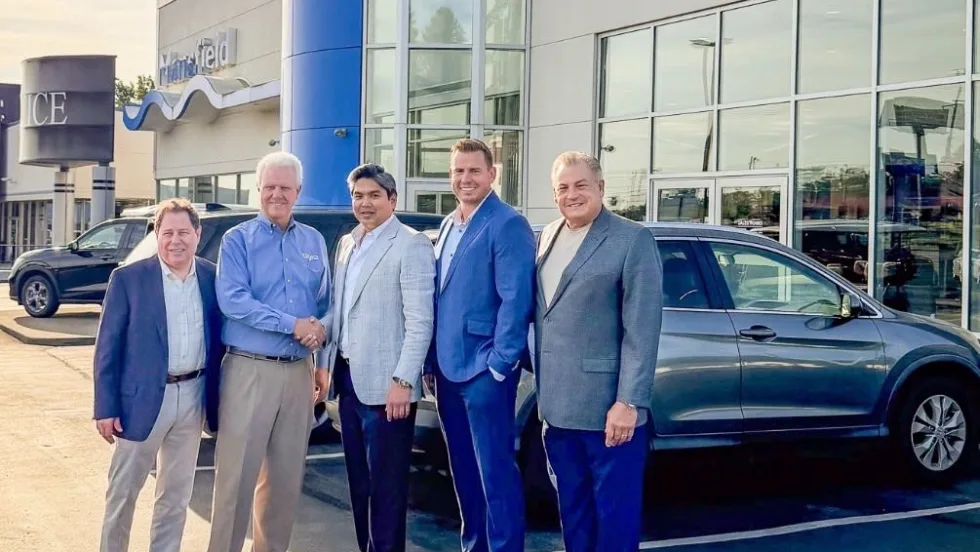
Ohio Auto Group Under New Ownership
After 79 years with the Schluter family, Mansfield Auto Group has been acquired by Missouri-based Clement Auto Group.
Read More →
RV Group Expands Carolina Footprint
Blue Compass RV Columbia Northeast is the 13th RV dealership owned by Blue Compass in the Carolinas.
Read More →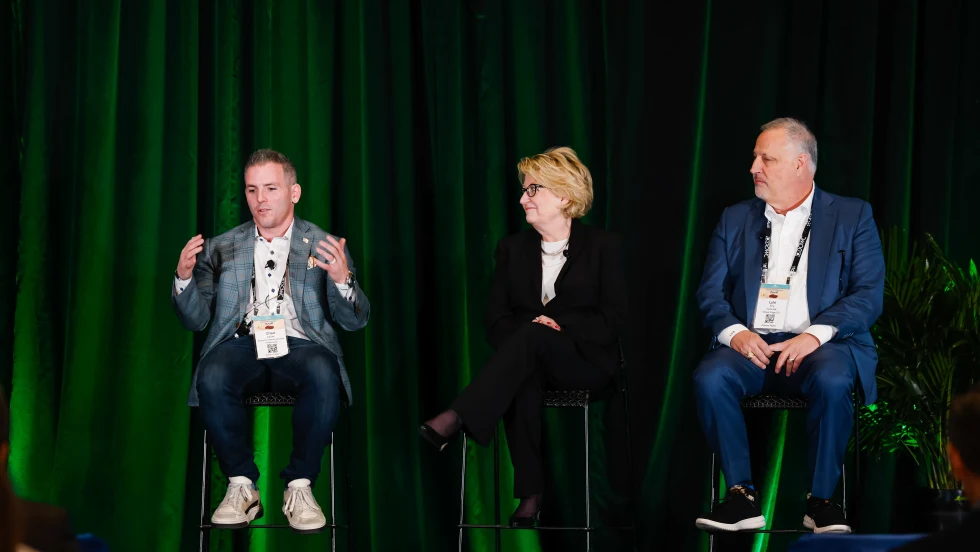
Agent Acumen
An Agent Summit panel of people who’ve been supporting auto dealers for years gave both timely and timeless advice for those starting out or mulling the prospect.
Read More →
Missed Maintenance Creates Opportunity
As families get back on the road and into daily school routines, service drives have an opportunity to capture customers who are behind on recommended vehicle maintenance.
Read More →