



Selling Products: A “Risky” Business

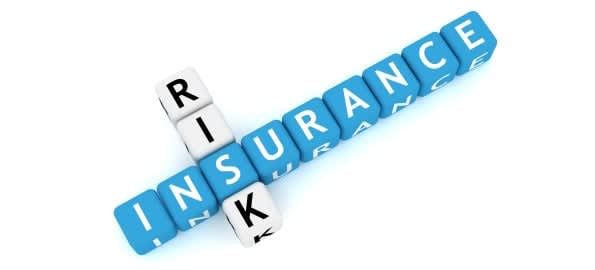
Selling Products: A “Risky” Business
Do You Make Sure Your Customer Understands The Risk Of Not Purchasing The Product?
I’m sure you have heard the phrase, “the perils of ownership.” Webster’s dictionary defines peril as exposure to risk. There are many items you can purchase that come with perils or risks. Think of the perils of home ownership. Your home can be damaged by various types of storms. A tree can fall on your roof. Your home can be damaged by a flood. Someone can slip on your sidewalk, become injured, and sue you. These are the risks you take when you purchase a home. The good news is that you can purchase flood and homeowner’s insurance to protect you from these perils.
There are many risks to purchasing a vehicle. If your customer is keeping the vehicle for five years and there is only a three-year factory warranty, then they are facing a two-year risk of having a mechanical breakdown and having to pay for it themselves.
A customer who makes a small down payment is taking a huge risk. If their vehicle is totaled by fire, theft, or collision, how are they going to pay the GAP, the insurance deductible, and have money for a down payment on another vehicle?
A customer who doesn’t purchase tire and wheel protection is taking a risk. They can have a tire or wheel damaged by a road hazard and will have to replace those items with their own money.
We can go on and on with the risks associated with vehicle ownership, but what is the relevance of these risks as they pertain to F&I? F&I has the products to protect the owner from these risks, eliminating large sums of money they would have to come up with.
A big mistake that many F&I managers make is that they don’t make sure the customer is aware of the risk of not taking a particular product. There has to be a need for awareness in order for a customer to be interested in a product. Informing them of the risk creates the need.
Talking about the features and benefits of a product without first establishing the risk and need in the mind of the customer, is falling on deaf ears because you haven’t established the customer’s interest. If the customer is aware of the risks, the features and benefits will demonstrate that the product can satisfy the need.
Along with a risk, the customer wants to know how big the reward is if they purchase the product. If they purchase a vehicle service contract and the deductible is $3,000, then the reward isn’t so great. At a $100 deductible, the reward is huge. So, the point is, if the risk is large and the reward is large, the customer is more likely to buy.
So how does the F&I manager create this need and establish awareness of the risk? The key goes back to the customer interview. The information you gathered during the interview allows you to use those three key words in selling… "you told me.”
Example: F&I manager, “Earlier you told me you will be keeping your vehicle for five years. Your factory warranty is for only three. That leaves you with two years of exposure to any mechanical repairs, and you will be responsible for the costs. The average repair order at our dealership for one repair is currently $1900. What is your concern with the service contract?”
Example: F&I manager, “Your down payment barely covers the sales tax and fees. Earlier you told me you don’t have any additional funds. If your vehicle was totaled due to fire, theft, or collision, how would you pay the difference between the insurance settlement and your loan payoff, plus your deductible, and come up with down payment money for a new vehicle?"
Example: F&I manager, “Earlier you told me that keeping your vehicle looking showroom new was very important you. Any damage to the exterior paint finish or stains on the interior that can’t be removed would be your responsibility, plus the resale value of your vehicle would go down if you didn’t make the repairs. What is it about the appearance program that concerns you?”
Each of these examples shows the risk of not having a specific product. Use of this technique will not only make the customer aware of the risks, but allows you to use his own words to acknowledge them. So, if you want to sell more products, make sure you let the customer know the risks associated with not purchasing the product and then explain how the product can eliminate those risks.
More Industry
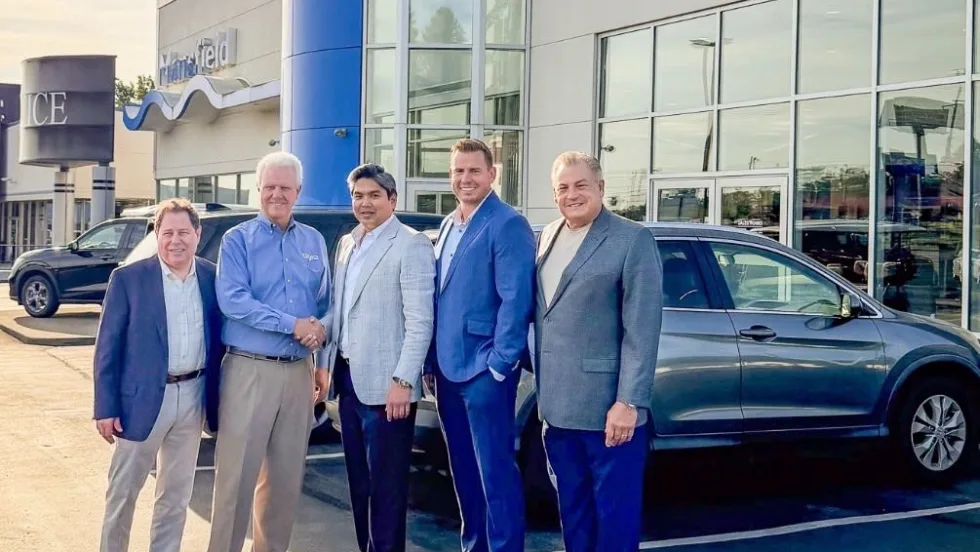
Ohio Auto Group Under New Ownership
After 79 years with the Schluter family, Mansfield Auto Group has been acquired by Missouri-based Clement Auto Group.
Read More →
RV Group Expands Carolina Footprint
Blue Compass RV Columbia Northeast is the 13th RV dealership owned by Blue Compass in the Carolinas.
Read More →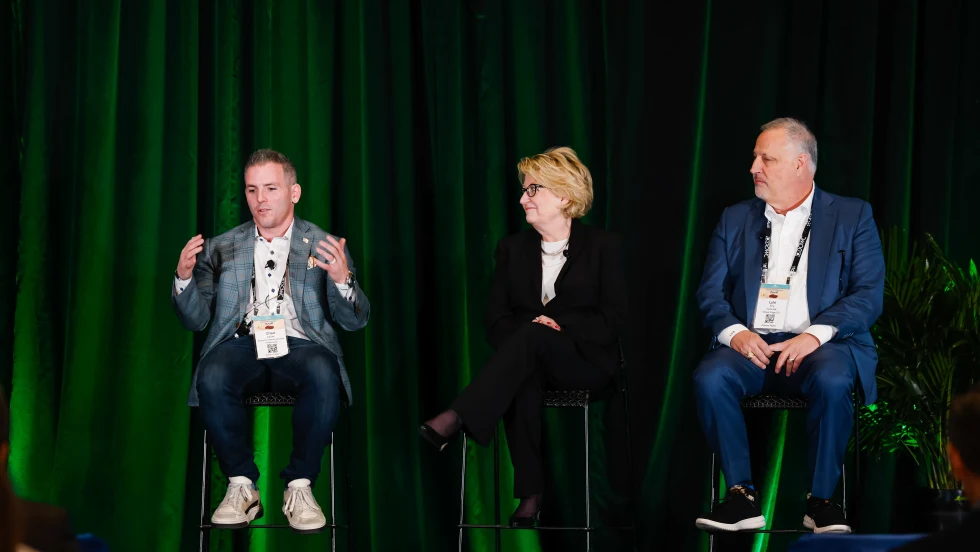
Agent Acumen
An Agent Summit panel of people who’ve been supporting auto dealers for years gave both timely and timeless advice for those starting out or mulling the prospect.
Read More →
Missed Maintenance Creates Opportunity
As families get back on the road and into daily school routines, service drives have an opportunity to capture customers who are behind on recommended vehicle maintenance.
Read More →
Mitsubishi Unveils U.S. Plan
The automaker announced a strategy that includes an expanded lineup and dealership presence, along with more ‘rugged’ and electric models.
Read More →
Selling to Grow
The question of whether you should sell your agency and if so, when, is up to you. But it’s a question worth asking to ensure you keep the business on the right path for yourself, employees and clients.
Read More →
Recalled Vehicles Hit 5-Year High
Though the number of events has fallen so far this year, impacted units are up significantly. Meanwhile, regulators consider consumer notification changes.
Read More →
Auto Group Acquires Top-Performing Rooftop
Car Pros sold its Kia Huntington Beach location to Sutherlin Automotive Group, marking the buyer’s third location in Southern California.
Read More →
China as Pacesetter
Automotive leaders huddled on where North America stands in the global picture and how it can strengthen its position against the Asian juggernaut’s surging industry.
Read More →
BMW Concept Car Makes Fuel to Burn
The prototype developed in concert with a South Carolina university engineering team generates more solar energy than it uses in a typical daily commute.
Read More →