



Resolutions for Your F&I Department
How trends from the past decade will impact F&I in 2020 and beyond.

How trends from the past decade will impact F&I in 2020 and beyond.
©GettyImages.com/z_wei
As we begin a new decade, market volatility continues to affect both the state of the overall economy, as well as consumer spending habits. From my years of auto financing experience, I’ve noted several interesting comparisons between the dynamics we experienced ten years ago and what we face now. Think back to 2010 when the economy was recovering from an economic crisis. As new regulations were enacted and household finances tightened, consumers faced challenges buying vehicles. While the types of regulations have changed — bank-specific in 2010, compared to data rights in 2019 — the affordability crunch continues to linger. But this doesn’t have to mean doom and gloom for the automotive industry. Armed with an understanding of where we’ve been this past decade and the right assumptions for what’s to come, industry players can get ahead of the game and build their own framework for success.
Dealers looking outside the vehicle sales volume for profitable growth can find it by adding efficiency to the deal, embracing new lending options and models, and mining aftermarket and retention opportunities.
Let’s first look at where we’ve been. A decade ago, banks started tightening credit requirements, auto loan terms lengthened, and consumers struggled to afford vehicles. In fact, in 2009, 26% of auto loan originations matured in six or more years. After all, the unemployment average in 2009 was 9.3%, increasing to 9.6% in 2010. At the same time, the average cost of a new vehicle reached $30,467. These factors brought light vehicle SAAR to its lowest point in thirty years.
As we cross the threshold of 2020, affordability concerns remain. Despite unemployment hovering at near-historic lows following the longest economic expansion in U.S. history, loan terms between 73- and 84-months now make up a staggering 55% of all new car loans. What’s more, the average cost of a new vehicle in December 2019 was $38,948 — a 2% year-over-year increase — while auto loan defaults are up 7.5% year-over-year, and severely delinquent auto loans rose 9% year-over-year. These seemingly contradictory economic indicators have left all sides of the industry guessing about what’s next.
Emerging Trends for 2020
As we begin 2020, consumers are still struggling to fit car costs into their monthly budgets, despite incentives to sell in December 2019 being at a record high. Dealerships and lenders have new challenges ahead, but with the right plan and tools in place, you can set your F&I department up for success. The first step is keeping an eye on emerging trends, and capitalizing on new marketplace opportunities.
1. Used Cars and Exploring New Lending Channels.
In the year ahead, your used vehicle efforts will increase in importance as consumers continue to feel the weight of an affordability crunch. For consumers, affordability can mean as little as $40-50 a month. As a result, connectivity between dealers and lenders will only become more vital — for you and your customers. In order to get more deals financed and loans originated, dealers and lenders will benefit from strengthened relationships to find the right finance options for a wider spectrum of customers.
Some dealers and lenders have already started broadening those networks. They have found new ways to increase originations by expanding direct and indirect lending channels, and are finding opportunities in the emerging mobility space, such as loans supporting subscription-based ownership models.
2. F&I Is Going Paperless.
To capitalize on what’s to come and thrive in the years to come, efficiency and better customer experience will come into greater focus. Getting these deals and originations completed more efficiently and profitably will require a more digital and paperless workflow. According to recent data from Dealertrack, one out of every four paper deals results in delayed funding due to missing or incorrect information. This is lost time and money for you, and hinders the experience for your customers.
With digital contracting, dealers have the opportunity to strengthen communications with their lender partners, reduce data re-entry, and eliminate re-contracting to ensure a faster, more accurate funding process. Digital contracting also means dealers no longer have to turn their back to the customer to structure a payment, secure financing, calculate taxes and fees, or handle registration and titling functions. Ultimately, enhancing the customer experience and speeding the F&I process will pay dividends down the road, and help drive loyalty and retention.
3. Aftermarket Products and Online Education.
As consumers do more of their car research online, how aftermarket products are presented must also evolve. Fortunately, we are seeing a trend where an increasing number of dealers are beginning to offer more online and upfront education about aftermarket products. This enables consumers to learn more about the products on their own time, and make more educated buying decisions. When consumers understand the products in advance, they’ll come prepared to ask the right questions, making them more open to making a purchase.
4. Regulation.
Although lending regulation grew overall in the last decade, Wall Street reforms from the current administration are loosening in some areas, while tightening continues in others. Areas of tightening include data security and consumer protections. As a result, technology and service partners are growing their focus on compliance and risk mitigation in auto finance, and working to make it a more organic and an integrated part of each step of the overall car deal workflow.
The new decade is here. It brings new opportunities to deliver what consumers want, while also ensuring profitability. While auto finance volumes are still strong today, headwinds are picking up in terms of consumer affordability as vehicle costs continue to tick upward, and future interest rate shifts are unknown. Dealers looking outside the vehicle sales volume for profitable growth can find it by adding efficiency to the deal, embracing new lending options and models, and mining aftermarket and retention opportunities. Paperless F&I transactions will continue to become more ubiquitous. And as they do, it will be imperative for dealers and lenders to adopt, utilize, and further invest in digital contracting.
The opportunities for success in 2020 have arrived, now it’s time to take advantage of them.
Cheryl Miller is senior vice president and general manager of Dealertrack F&I Solutions.
Originally posted on F&I and Showroom
More Industry
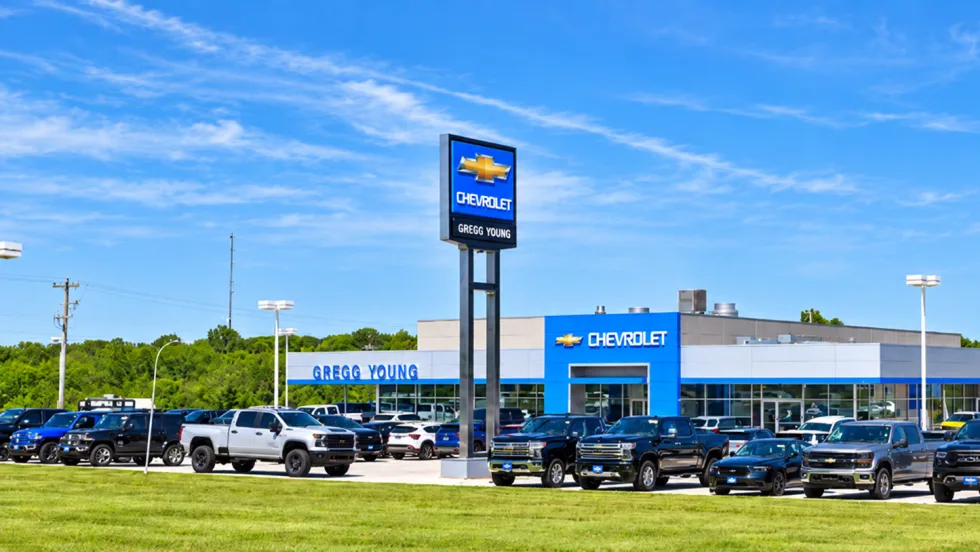
Nebraska Rooftop Changes Hands
The Gregg Young Automotive Group has sold its second dealership to Janssen Auto Group, both in Plattsmouth, Neb.
Read More →
Penske Auto Group Deal a Record
The deal to take the dealership and transportation services company private sets a new pace for industry buy-sell transactions.
Read More →
War Toll a Damper on Used Auto Prices
Cox Automotive found wholesale depreciation to be elevated in September amid high fuel prices and this year's unusual hurricane season.
Read More →
Bridge the Maintenance Gap
With many drivers missing recommended maintenance, service departments offering transparency and efficiency have a better chance of reaching financially strained consumers.
Read More →
California Store Has New Owner
The longtime dealership in the northern part of the state is known for robust fleet sales and has served the state capital for 115 years.
Read More →
BMW Plant Pursues Cleaner Energy
BMW Group Plant Leipzig has utilized hydrogen to help power its production since 2013, but a new pipeline is planned to take it to another level.
Read More →
Auto Affordability Inches Up
The latest Cox Automotive and Moody’s Analytics index shows a slight increase in new-vehicle affordability despite high prices.
Read More →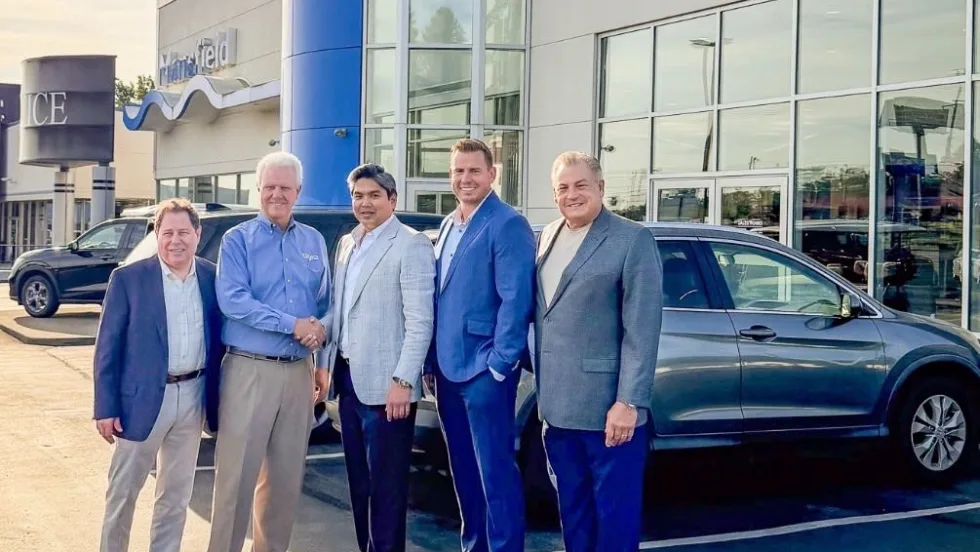
Ohio Auto Group Under New Ownership
After 79 years with the Schluter family, Mansfield Auto Group has been acquired by Missouri-based Clement Auto Group.
Read More →
RV Group Expands Carolina Footprint
Blue Compass RV Columbia Northeast is the 13th RV dealership owned by Blue Compass in the Carolinas.
Read More →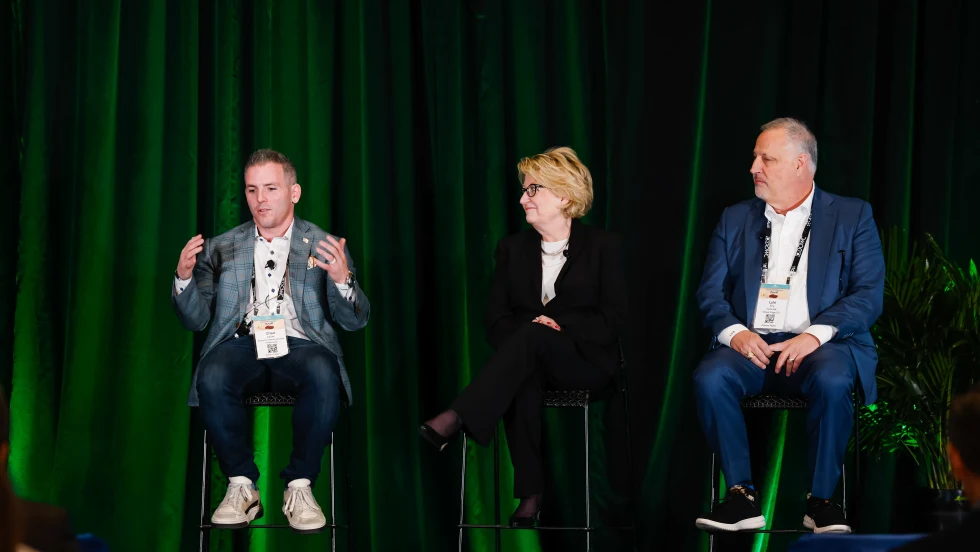
Agent Acumen
An Agent Summit panel of people who’ve been supporting auto dealers for years gave both timely and timeless advice for those starting out or mulling the prospect.
Read More →