



Putting an Industry Back to Work


Putting an Industry Back to Work
The US Department of Labor's Bureau of Labor Statistics is a gold mine of always interesting facts and figures. One big category the bureau tracks is Automotive, with a variety of items watched and measured over time. Recently, the one that caught my eye was the figures on automotive industry salary figures versus time worked.
While the study has tracked these numbers over a long period of time, it shows the last year of reporting for comparison in its charts, and that's what I was reading. I should also point out how the bureau itself classifies this category, which is very broad in scope: "The automotive industry includes industries associated with the production, wholesaling, retailing and maintenance of motor vehicles. This industry is not formally defined in the North American Industry Classification System (NAICS), but the Bureau of Labor Statistics is referring to a group of detailed industries as the 'automotive industry' for purposes of analysis. This list is not exhaustive, but includes industries that can be directly impacted by changes in U.S. production and sales of motor vehicles."
For vehicle and parts manufacturing, the industry actually grew by about 45,000 people year-over-year, although the high was in August — the numbers have dropped slightly since then, according to this report. On the retail side, parts dealers grew by a total of about 30,000, showing a more continuous growth without the dips and valleys seen on the manufacturing side. The numbers for both halves of the parts industry held true across both the seasonally and non-seasonally adjusted figures for the most part, which is always a good sign in my mind — as an industry overall, we're growing, rather than just seeing spikes around times of year or events.
Want another interesting figure? Indiana led the pack as the state with the biggest chunk of hiring. Michigan was still up there, following close behind, and Alabama rounded out the top three states by number of people hired. Ohio and Missouri lost the largest number of workers, with New York, Ohio and Kentucky all showing losses in terms of the number of people employed in the industry as well.
At the same time we've seen that growth, the industry average earnings have, across the board, fallen. In some cases the change is negligible — six cents was the change for parts wholesalers, for example. On the other hand, the average hourly wage of a motor vehicle manufacturer employee dropped by $1.18 — a significant drop. Now, I don't think the industry is out cutting salaries of the average worker at all — that's not what this suggests to me. Rather, in my mind, it suggests that the hiring going on is driving down the averages because we are targeting the lower end of the spectrum. In other words — the growth is coming in the form of the lower-wage jobs, which beef up employment numbers, but drive down the averages when it comes to earnings.
Given the current economic outlook in the United States, I can't help but be a little encouraged by that, to tell you the truth. It means that, as an industry, we are putting people back to work. And not just executives, or people who had the time and money to afford to earn one or more higher education degrees. But the average worker for whom work is imperative to put food on the table and keep the heat on this winter.
More Industry
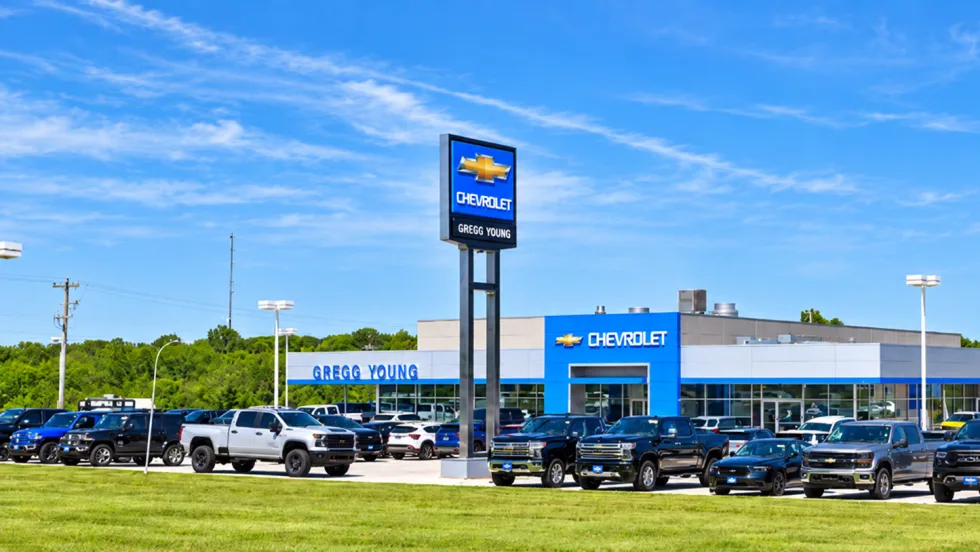
Nebraska Rooftop Changes Hands
The Gregg Young Automotive Group has sold its second dealership to Janssen Auto Group, both in Plattsmouth, Neb.
Read More →
Penske Auto Group Deal a Record
The deal to take the dealership and transportation services company private sets a new pace for industry buy-sell transactions.
Read More →
War Toll a Damper on Used Auto Prices
Cox Automotive found wholesale depreciation to be elevated in September amid high fuel prices and this year's unusual hurricane season.
Read More →
Bridge the Maintenance Gap
With many drivers missing recommended maintenance, service departments offering transparency and efficiency have a better chance of reaching financially strained consumers.
Read More →
California Store Has New Owner
The longtime dealership in the northern part of the state is known for robust fleet sales and has served the state capital for 115 years.
Read More →
BMW Plant Pursues Cleaner Energy
BMW Group Plant Leipzig has utilized hydrogen to help power its production since 2013, but a new pipeline is planned to take it to another level.
Read More →
Auto Affordability Inches Up
The latest Cox Automotive and Moody’s Analytics index shows a slight increase in new-vehicle affordability despite high prices.
Read More →
Ohio Auto Group Under New Ownership
After 79 years with the Schluter family, Mansfield Auto Group has been acquired by Missouri-based Clement Auto Group.
Read More →
RV Group Expands Carolina Footprint
Blue Compass RV Columbia Northeast is the 13th RV dealership owned by Blue Compass in the Carolinas.
Read More →
Agent Acumen
An Agent Summit panel of people who’ve been supporting auto dealers for years gave both timely and timeless advice for those starting out or mulling the prospect.
Read More →