


Leveraging the Monroney Label
A simple process can result in big differences in automotive sales.

Pexels/Richard Taveira
In the midst of fierce competition, utilizing every available tool to enhance the value perception of a vehicle can significantly impact auto sales success and customer satisfaction. One overlooked and underutilized asset in this endeavor is the Monroney label—the detailed sticker on new vehicles that provides essential information about the car’s features, manufacturer's suggested retail price, and warranties.
By effectively leveraging this label, sales teams can elevate the customer's perception of a vehicle, ultimately influencing their purchasing decisions and satisfaction in their overall decision to buy.
Build Value With Precision
A key strategy that is easy to implement and has proven effective involves presentation of the meticulous information provided on the Monroney label. Consider a recent example of a suburban dealership where sales staff are trained to carefully cover every detail of the label during their sales pitches. This dealership reports a remarkable increase in "chemicals penetration"—a measure of the success in selling additional protective products for vehicles, reaching up to 95% when this method is employed — new income they may not have had the benefit of earning without the Monroney label process.
Consistency in the process is crucial. Utilizing the correct factory terms for paint, interior and rims standardizes product setup. This approach not only simplifies the process but also eliminates the need for the salesperson to “plant the seeds” for F&I. Instead, he or she can naturally incorporate sales language to effectively convey the results.
For instance, instead of a salesperson simply stating that a Chrysler Pacifica is white with black interior and has 17-inch rims, a more effective approach involves using the exact language from the factory specifications. A salesperson might describe the vehicle as having a bright white clear-coat exterior and black alloy caprice leatherette interior with 17-by-17 machine aluminum wheels. This precise language not only aligns with the branding intended by the manufacturer but also elevates the vehicle's perceived quality and sophistication in the eyes of the potential buyer.
Furthermore, this approach allows the business office to introduce bundled products more effectively. Using the factory terminology highlights the true cost of items, such as 17-inch rims or alloy wheels, making them appear more expensive to replace (which they are).
Warranty and Protection Sales Impact
The precise wording can also extend to warranty offerings, transforming them from mundane specifications to valuable assurances to the buyer. For example, rather than vaguely referring to a 36-month, 36,000-mile bumper-to-bumper warranty, it's more impactful to detail it as a three-year, 36,000-mile basic limited warranty, along with a five-year, 60,000-mile powertrain limited warranty and an eight-year, 100,000-mile hybrid system limited warranty. This not only emphasizes the extent of coverage but also underscores the commitment of the manufacturer to the vehicle's reliability and long-term performance.
The key for the salesperson is to read it exactly as listed by the factory. This enhances their credibility by using the formal language of the warranty, but it can also reduce the risk of quoting the wrong terms and items. This practice helps prevent obstacles for the finance office down the line. For instance, referring to a warranty as bumper-to-bumper could be considered deceptive to the buyer, who may think that everything in the vehicle is covered against all repairs they would incur, when the warranty is actually limited only to manufacturer defects and workmanship. Issues arising from normal wear and tear or environmental factors would not be covered. The automotive industry’s reputation has suffered due to a lack of consumer confidence and trust in the salesforce. Using proper terms helps to rebuild that trust. Moreover, it’s a straightforward method of simply reading the window sticker. Ask any business manager if they prefer a salesperson to use bumper-to-bumper or the factory terms (even Mitsubishi, which uses bumper-to-bumper, labels it as “warranty is limited; see dealer for details”), and they will likely favor the factory terms.
Training for Success
To capitalize on this strategy, training programs for sales and finance teams should focus on familiarizing them with the specific terminology used on the Monroney label. Role-playing exercises can be particularly beneficial and are usually engaging and welcomed, allowing salespeople to practice and perfect their delivery of this information in a way that is both natural and compelling. Additionally, sales managers can encourage their teams by sharing success stories and data from dealerships that have successfully implemented this strategy.
Implementing this process takes just five to 10 minutes per day. After the morning meeting or randomly throughout the day, ask a salesperson to review the Monroney label of a vehicle on the showroom floor. Offer a reward for anyone who can consistently follow the process. Track which salespeople regularly follow the process versus those who don’t, and compare the gross profits and commissions. This practice builds value in the vehicle, which will lead to happier customers and increased profits.
The Monroney label is more than just a regulatory requirement—it should be viewed as a strategic asset that, when used effectively, can significantly enhance the perceived value of a vehicle. By adopting a detailed and accurate presentation of the information it contains, auto dealerships can improve not only their vehicle sales but also the sales of additional F&I warranties and protective services. This approach leads to higher sales metrics and also enhances customer confidence and satisfaction, fostering loyalty, retention and positive word of mouth, all of which are invaluable in today's market.
Allen is director of dealer compliance and F&I specialist services for Spectrum Automotive Holdings.
EDITOR’S NOTE: This article was authored and edited according to F&I and Showroom editorial standards and style. Opinions expressed may not reflect that of the publication.
Originally posted on F&I and Showroom
More Industry
Nebraska Rooftop Changes Hands
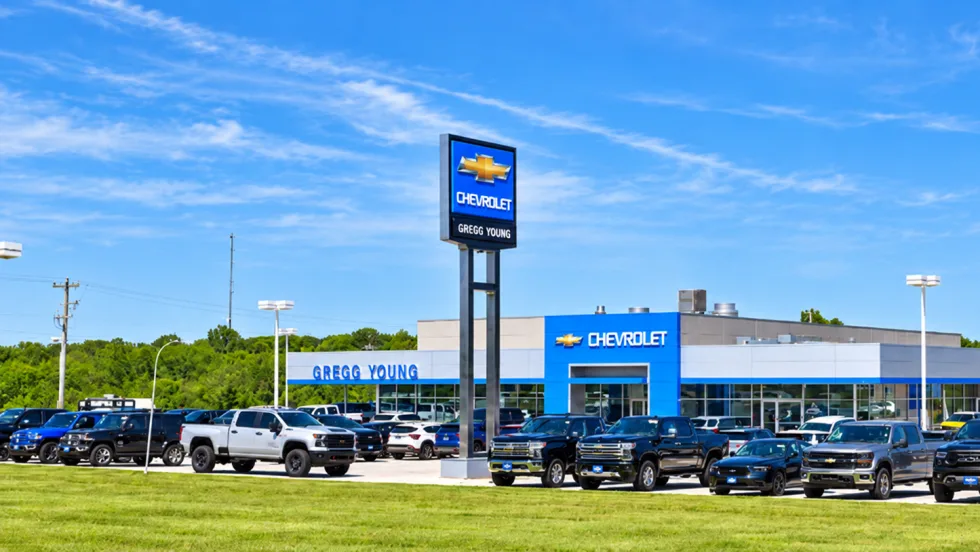
The Gregg Young Automotive Group has sold its second dealership to Janssen Auto Group, both in Plattsmouth, Neb.
Read More →
Penske Auto Group Deal a Record
The deal to take the dealership and transportation services company private sets a new pace for industry buy-sell transactions.
Read More →
War Toll a Damper on Used Auto Prices
Cox Automotive found wholesale depreciation to be elevated in September amid high fuel prices and this year's unusual hurricane season.
Read More →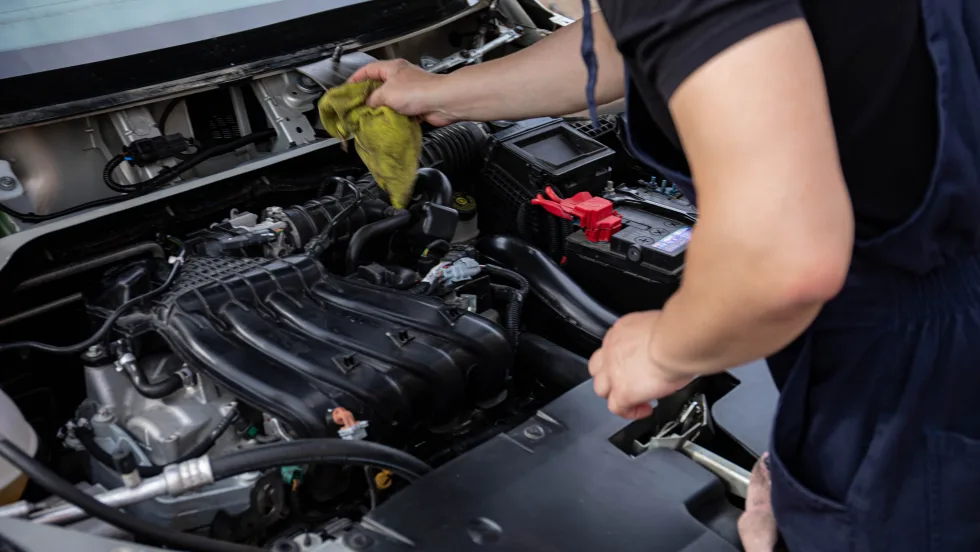
Bridge the Maintenance Gap
With many drivers missing recommended maintenance, service departments offering transparency and efficiency have a better chance of reaching financially strained consumers.
Read More →
California Store Has New Owner
The longtime dealership in the northern part of the state is known for robust fleet sales and has served the state capital for 115 years.
Read More →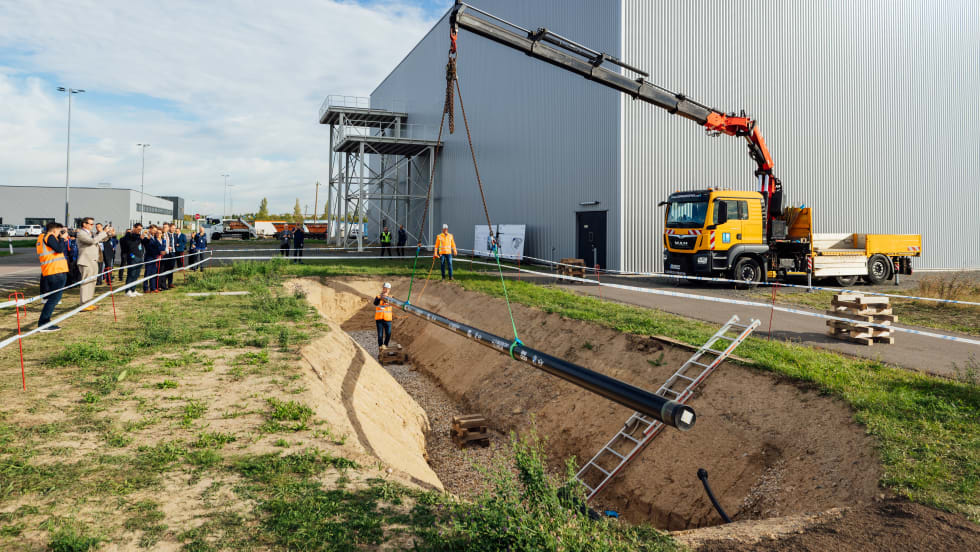
BMW Plant Pursues Cleaner Energy
BMW Group Plant Leipzig has utilized hydrogen to help power its production since 2013, but a new pipeline is planned to take it to another level.
Read More →
Auto Affordability Inches Up
The latest Cox Automotive and Moody’s Analytics index shows a slight increase in new-vehicle affordability despite high prices.
Read More →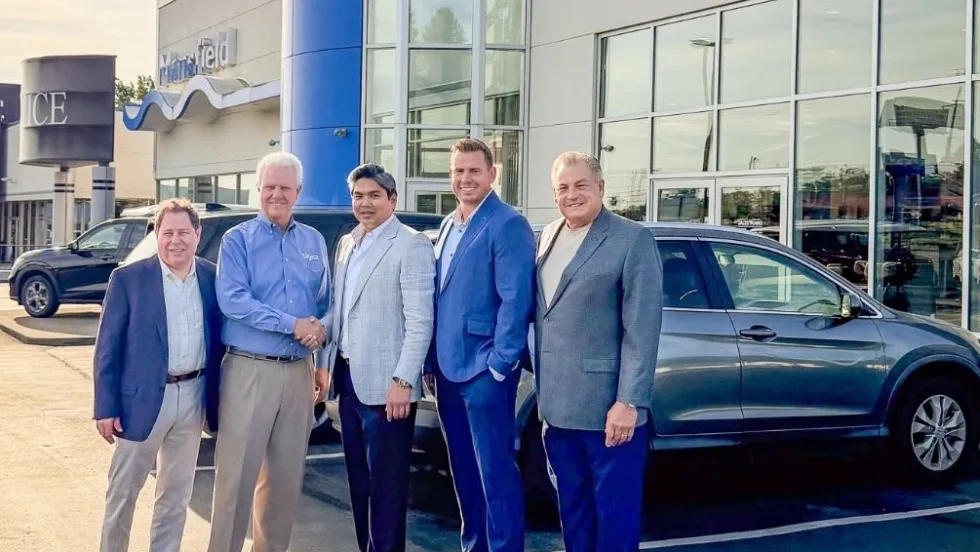
Ohio Auto Group Under New Ownership
After 79 years with the Schluter family, Mansfield Auto Group has been acquired by Missouri-based Clement Auto Group.
Read More →
RV Group Expands Carolina Footprint
Blue Compass RV Columbia Northeast is the 13th RV dealership owned by Blue Compass in the Carolinas.
Read More →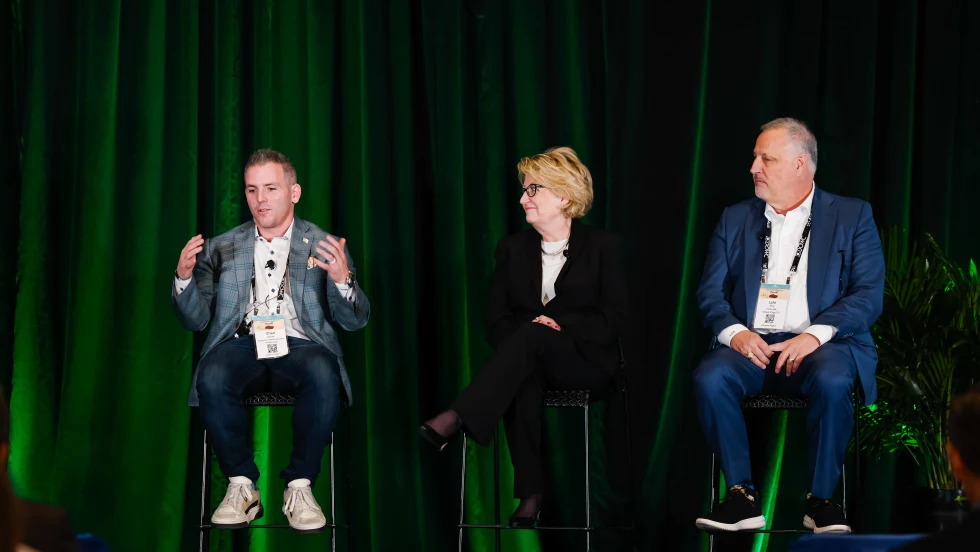
Agent Acumen
An Agent Summit panel of people who’ve been supporting auto dealers for years gave both timely and timeless advice for those starting out or mulling the prospect.
Read More →