



Getting Your Best BHPH Customers Back

The first half of 2013 is now in the rearview mirror for the buy here, pay here (BHPH) industry and it’s time to look back. Many operators reported lower unit sales versus the same period last year. Two important questions are, “Why?” and “What can be done to improve unit sales during the remainder of the year?” I address both in this article.
Experian Automotive provides excellent information quarterly on automotive market share. Their numbers for the first quarter of 2013 indicated that BHPH market share declined 6.4%. Although a 6% decline is not good, the real math is worse. Experian reports that BHPH market share declined from 17.1% to 10.7%. Therefore, the real decrease was actually 33% of the previous market. Correspondingly, subprime auto financing increased almost the same percentage. Second quarter numbers will be announced shortly, but don’t expect a big rebound.
OK, enough bad news: what caused the decline? A careful analysis of the first-half performance reveals that the following influences adversely impacted BHPH sales:
Tax refunds were slow to arrive and somewhat smaller when they did. Some never arrived at all.
Additional payroll withholding reduced low-income earners ($30,000 - $50,000 per year) take-home pay by $600 to $1,000. This really hurt their liquidity.
Gas and food prices increased sharply compared with 2012, consuming more of each customer’s disposable income.
The US economy has rebounded somewhat; however, overtime hours and workforces have been reduced.
The subprime auto finance industry has been extremely aggressive in buying deals from deep subprime customers with bureau scores as low as 460. Worse yet, these customers are being sold new and late-model vehicles with long repayment terms and very large monthly payments, which they can’t afford.
Subprime customers are encouraged to “give back” their existing vehicles by subprime finance companies, and to purchase the vehicles described above. This has resulted in more voluntary repossessions for BHPH operators.
Enough negative news; what should the BHPH industry do in response?
My suggestions start with what not to do. Operators should not change their business models by putting too little customer into too much vehicle. This is a “road map for failure” as documented by more than $11 billion in contracts I have analyzed.
However, operators must not sit back and wait for the market to return. If you do nothing, you cannot expect different results. The answer is to rebuild a stronger bond with BHPH customers. As I survey the operators who are maintaining or growing market share, I note one common trait – they are proactive.
At a recent NABD Boot Camp meeting, several of the nation’s most experienced operators offered creative ways to compete proactively. Here are some of the ideas:
Place a ‘welcome’ telephone call shortly after each sale, and ask for referrals.
Hold customer appreciation events.
Strengthen warranty or extended service-contract programs.
Offer free maintenance services to good paying customers.
Maintain more-positive contact with customers during the entire term of their contracts.
Other suggestions were discussed but readers should get the message.
Successful operators today embrace technology. Payment devices, the Internet, pay portals and other technology have increased efficiency, profits and cash flow. Technology plays an important role in competing successfully, and its use is strongly encouraged.
However, operators should not replace their personal customer bond with a technological substitute. The industry needs to help customers make better longer-term decisions when purchasing their next vehicle. A short-term default created by unrealistic repayment terms does not provide the “transportation solution” they really need.
I deeply respect the creativity and innovative ideas posed by the successful operators in the BHPH industry today. They represent many of the best business people I have ever met and they are survivors.
At our upcoming NABD East Coast BHPH Conference in New Orleans on November 3-5, we will focus on how to find and keep our best customers. This is a great time to network and make each other successful. Good luck during the remainder of 2013 and let’s make 2014 our best year ever!
More Industry

Penske Auto Group Deal a Record
The deal to take the dealership and transportation services company private sets a new pace for industry buy-sell transactions.
Read More →
War Toll a Damper on Used Auto Prices
Cox Automotive found wholesale depreciation to be elevated in September amid high fuel prices and this year's unusual hurricane season.
Read More →
Bridge the Maintenance Gap
With many drivers missing recommended maintenance, service departments offering transparency and efficiency have a better chance of reaching financially strained consumers.
Read More →
California Store Has New Owner
The longtime dealership in the northern part of the state is known for robust fleet sales and has served the state capital for 115 years.
Read More →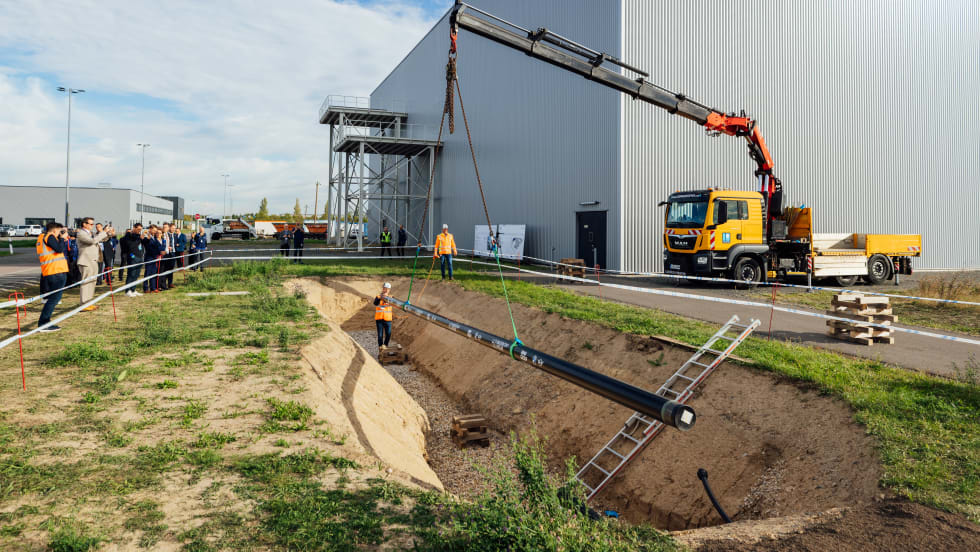
BMW Plant Pursues Cleaner Energy
BMW Group Plant Leipzig has utilized hydrogen to help power its production since 2013, but a new pipeline is planned to take it to another level.
Read More →
Auto Affordability Inches Up
The latest Cox Automotive and Moody’s Analytics index shows a slight increase in new-vehicle affordability despite high prices.
Read More →
Ohio Auto Group Under New Ownership
After 79 years with the Schluter family, Mansfield Auto Group has been acquired by Missouri-based Clement Auto Group.
Read More →
RV Group Expands Carolina Footprint
Blue Compass RV Columbia Northeast is the 13th RV dealership owned by Blue Compass in the Carolinas.
Read More →
Agent Acumen
An Agent Summit panel of people who’ve been supporting auto dealers for years gave both timely and timeless advice for those starting out or mulling the prospect.
Read More →
Missed Maintenance Creates Opportunity
As families get back on the road and into daily school routines, service drives have an opportunity to capture customers who are behind on recommended vehicle maintenance.
Read More →