



Agents In Action: Overcoming the Pandemic
Four experts offer their advice, predictions and experiences from the font lines, to assist automotive agents and those they do business with, in the battle to overcome the aftermath of COVID-19.

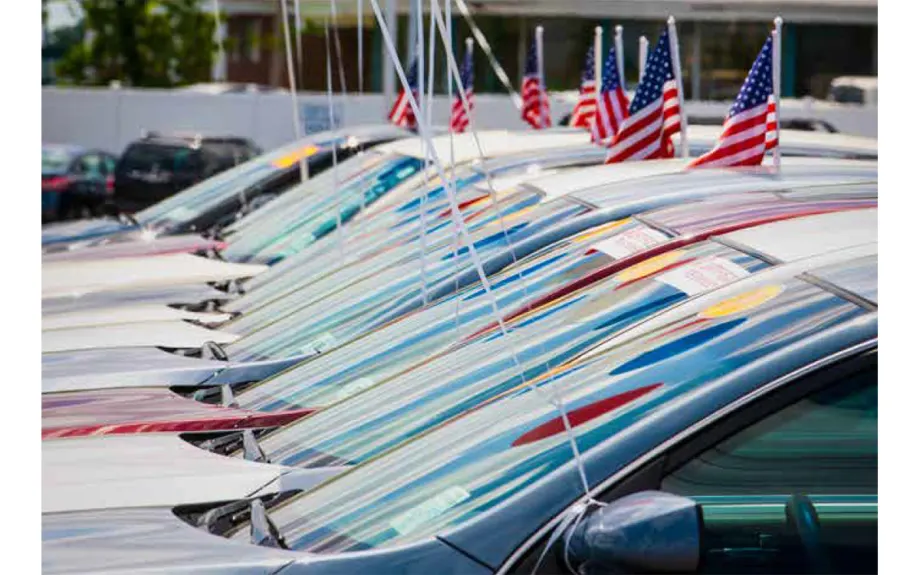
Four experts offer their advice, predictions and experiences from the font lines, to assist automotive agents and those they do business with, in the battle to overcome the aftermath of COVID-19.
Image by PIERREDESROSIERS via GettyImages.com
Over the past few months the automotive industry has witnessed unprecedented economic lows, government-mandated business closures and a rapidly evolving pool of consumers. Now that states have loosened restrictions and dealerships can begin working towards a “new normal,” what exactly does that mean for the agents that help them drive their business? AE spoke with four experts in the agent arena, to learn how general agents have been impacted by the pandemic, and what they need to focus on to reclaim lost profits and help drive success.
Agents committed to our industry will exit this pandemic with some new strengths and day-by-day the retailing environment is returning to pre-pandemic levels.
Randall Crisorio, president of United Development Systems (div. Brown & Brown Dealer Services); Automotive Service Group’s senior vice president, Lyle King; John Lutman, senior vice president of sales and Head of the Agent Channel at IAS; and President of ARMD Resource Group and World Class Dealer Services, Michael Tuno, all shared their candid advice for the present, predictions for the future and real-world experiences to aid general agents.
How has the pandemic affected automotive agents specifically?
CRISORIO: The pandemic downside for F&I agent operatives is the routine loss of personal contact with dealer clients and their staff. Some mobility was self-limiting while dealer principals imposed restrictions on visitors unless they planned to buy or service a vehicle.
KING: We’ve been forced to re-examine how we connect with dealers and dealer personnel. Use of technology, while previously important, has become undeniably necessary. Becoming a Zoom expert was never an aspiration, but it quickly became one during this time period.
LUTMAN: Obviously due to the pandemic, the dealership volume has decreased throughout the country, but some regions are certainly harder hit than others. Agency revenues have been impacted dramatically, and they had to find new ways to help their dealership clients generate revenue as well for their own agency, in addition to finding new ways of servicing them. The way agents do business has changed drastically, but the end goal of the agent remains the same.
TUNO: The pandemic has affected agents differently depending on the state and markets that they serve. The impact ranges from slight to significant because of how each governor has controlled the ability of our industry to function. The most severe impact has been that agents’ businesses have been required to close due to being classified as non-essential by the state in which they are located. This has proven disastrous because auto sales in these states have also been deemed non-essential or only allowed to conduct online sales, with no test drives permitted.
In many other markets where the showroom has remained open, sales have been in some cases very robust, even record-setting. The RV and power sports business’ have seen a significant increase in sales in general, as consumers are finding substitutes for their recreation as well as their future vacation plans. Agents that serve these markets have seen terrific sales growth of all their products and services. The automotive markets for agents will seemingly continue to be fragmented based on where you reside and the states that you serve.
What is your view of the current automotive environment as it relates to agents and their ability to conduct business?
CRISORIO: In some states such as Pennsylvania, retail operations were shuttered and there would be no retail staff to visit for months by order of the Governor. Although things are opening up, generally by phase as called for in Federal Guidelines, fear on both sides is pervasive as is the virus misinformation train that has accompanied the pandemic.
KING: Times of economic crisis have created more open minds and sometimes we’re able to connect with clients and potential clients while they’re more open to reviewing possible solutions. In that way, we have legitimate new opportunities available today.
LUTMAN: The landscape has certainly changed. We must be sensitive to this pandemic and what it can do to people who are high risk. However, the one thing about general agents is their ability to adapt to the environment and still find ways to be relevant with their clients. They have been using technology to train and coach dealership personnel. They have shifted to new products in the marketplace like disinfectants and unemployment insurance to help dealerships continue to sell vehicles in a safe environment.
TUNO: The states that are hardest hit by the pandemic have forced agents to preserve cash because the industry that they serve has been shuttered by government decree. Where the showrooms are not shuttered, it is business as usual, except perhaps the growing attention paid to PPE and sanitizations of the dealerships. The mosaic of how states have dealt with this pandemic largely dictates the agent’s ability to conduct business. Open states are business as usual and locked down states require the agents to find remote ways to conduct business despite the limited sales volumes seen at the dealerships. Even in states that are in lockdown, the service departments remained open and were deemed essential by state governors, but these areas for agents to derive a living are limited largely due to the dealerships having skeleton staffing due to consumer anxiety over performing service on their vehicle.
How has the pandemic changed how agents will work with their dealer clients moving forward?
CRISORIO: Those F&I agents with solid reporting systems have moved review and counsel sessions to the dealer staff desktop monitor. Organized training is delivered via Webinar, GoToMeetings, Zoom sessions, and the like, but with a mixed level of preparedness and expertise. At UDS we know that not all staffers are available to attend each scheduled session so training is archived and available online for retrieval.
KING: At the outset of the pandemic, it seemed that maybe agents could ultimately spend less time on the road with clients and more time making technological connections. That seemed like it may last, but as time has gone on I think we’ve experienced a temporary change, but our plan going forward doesn’t seem to be much different than before.
LUTMAN: Agents will continually adapt to the ever-changing environment. They will continue to partner with their product providers to come up with new ways of servicing clients. You will see a higher focus on online sales and no-touch deliveries, while online training and development will also continue to rise. One-on-one training in the dealership will happen with social distancing as compared to previous. mass-classroom trainings. General agents will be more relevant in this new world then ever before.
TUNO: Moving forward, agents will need to be able to conduct business both in a traditional manner, “boots on the ground,” with safety measures in place as per the CDC guidelines … as well as remotely, as both consumers and dealership staff have accelerated this change to the traditional methods of operation due to concerns over their safety. The servicing and selling activities of the agent must have both forms in their business strategy for a successful future.
Are there any new trends or technologies that agents should be keeping a close eye on?
CRISORIO: Dealer sales calls by “Cold Call Visits” have been recreated into a process of introduction by email, mail and phone, seeking the opportunity to present either virtually or preferably, in person. The admin-teams that support our business, while often working remotely, haven’t missed a beat accommodating the needs of our dealer clients.
KING: The ability of millennials, to do business online instead of in person, has been in front of us for as long as millennials have been. The pandemic fears have accelerated dealers being willing and motivated to create those online solutions faster than originally planned. Accommodating that demographic, as well as the cautious public during the pandemic, has greatly gained importance.
LUTMAN: Agents need to be on the lookout for the best solutions to help with online sales, and that could play out in a lot of different ways. For example, a menu system that enables the dealership to interact with the customer remotely, software solutions that help the dealership sell more vehicles like equity mining programs, or products that help the customer maintain peace of mind in case of pandemics like this one.
TUNO: The chemical business, that supports sanitizing and anti-microbial solutions will be necessary to add to an agent’s product array, so the dealerships can promote the healthy well-being of its staff and its customers. In addition, technology that can help dealers cull more prospects from the marketplace through enhancements to their online activities, should be considered by agents. Also, some dealerships are using GPS devices to support customers taking test-drives without the salesperson being in the vehicle during the test-drive. The GPS device safeguards the dealer form the vehicle being stolen, while maintaining a safe and healthy space for the staff and the customers.
Is there any advice you would like to give to agents that may be having a hard time returning to pre-pandemic levels of business and profits?
CRISORIO: Smart agents have taken this time to escalate their expertise and seek marketplace innovations that will drive dealer results. Agents committed to our industry will exit this pandemic with some new strengths and day-by-day the retailing environment is returning to pre-pandemic levels.
LUTMAN: Be relevant to your clients. Dealerships need the agent entrepreneur more today than ever. Agents are on the front line, and dealerships appreciate the people who are helping them get through this pandemic. Reach out to your product provider partners to solicit their help with technology and new products to find ways to generate additional revenue on less vehicles sold.
TUNO: The soundest advice that agents should be mindful of, is to continue innovating during these uncertain and difficult times, so that your value to the industry supports the changing needs of both dealers and consumers. Be persistent and thoughtful for solutions that support both the traditional pre-pandemic business practices. As well as the new normal, of remote digital products and services, to help solve for the issues of social distancing and remaining healthy within the dealership environment.
All agents would be well served to stay mindful of the need for their dealers to remain compliant in this pandemic environment. The need to understand the importance of sound compliance policies and procedures, relating to the remote manner in which business is being conducted during this pandemic, has increased the risk to the dealership when conducting sales. Like adherence to the E-signing act, the Red Flags Rule and identity theft, cyber risks when employees are working from home on their own Internet network may lack robust security against malware, and ransom ware attacks as they interface with the dealerships systems.
In addition, when conducting sales remotely there tends to be a lack of adherence to proper disclosure with Regulation Z and its amendment in 2003, requiring the customer to review a blank copy of the retail installment contract before signing it. The remote nature of carrying various documents off the dealer’s premises also carries the risk of not being properly safeguarded and then creates risk with the Safeguard Rule. For example, if the documents are being physically transported for the consumer to complete the transaction, the security protocols that the dealership has in place at the store are not in place when remotely transacting. If the vehicle in which the documents are being transported isn’t physically secured, and there is an accident, the documents are at risk of being exposed thus violating the Safeguard Rule of the dealership.
More Industry
War Toll a Damper on Used Auto Prices
Cox Automotive found wholesale depreciation to be elevated in September amid high fuel prices and this year's unusual hurricane season.
Read More →
Bridge the Maintenance Gap
With many drivers missing recommended maintenance, service departments offering transparency and efficiency have a better chance of reaching financially strained consumers.
Read More →
California Store Has New Owner
The longtime dealership in the northern part of the state is known for robust fleet sales and has served the state capital for 115 years.
Read More →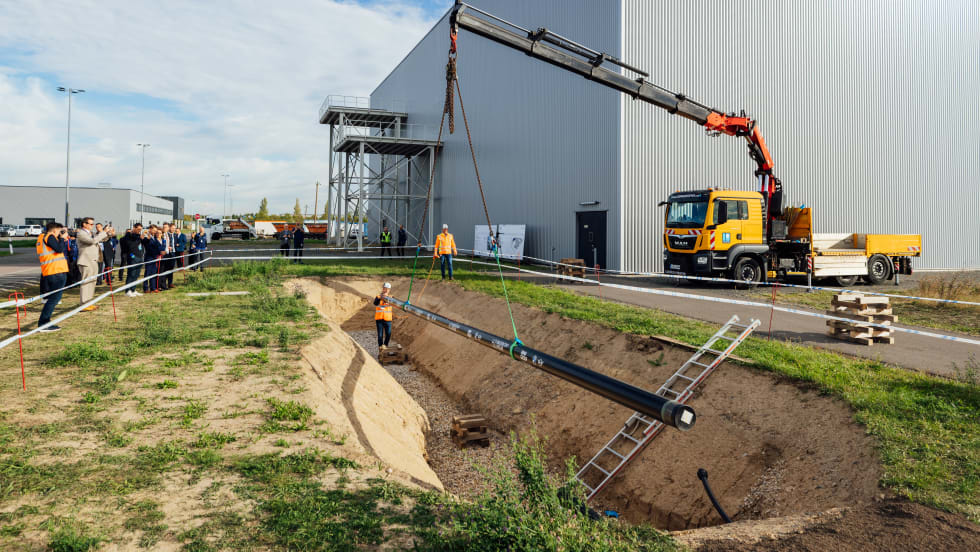
BMW Plant Pursues Cleaner Energy
BMW Group Plant Leipzig has utilized hydrogen to help power its production since 2013, but a new pipeline is planned to take it to another level.
Read More →
Auto Affordability Inches Up
The latest Cox Automotive and Moody’s Analytics index shows a slight increase in new-vehicle affordability despite high prices.
Read More →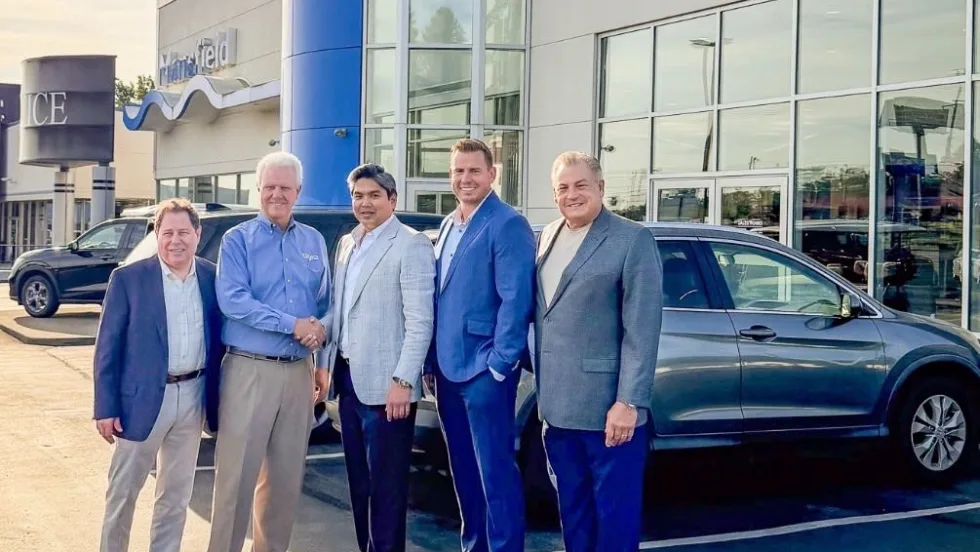
Ohio Auto Group Under New Ownership
After 79 years with the Schluter family, Mansfield Auto Group has been acquired by Missouri-based Clement Auto Group.
Read More →
RV Group Expands Carolina Footprint
Blue Compass RV Columbia Northeast is the 13th RV dealership owned by Blue Compass in the Carolinas.
Read More →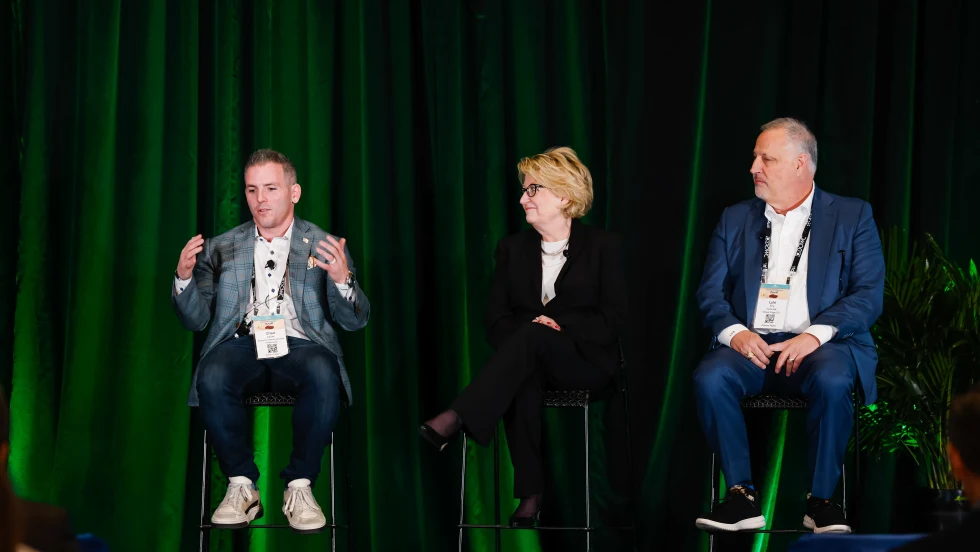
Agent Acumen
An Agent Summit panel of people who’ve been supporting auto dealers for years gave both timely and timeless advice for those starting out or mulling the prospect.
Read More →
Missed Maintenance Creates Opportunity
As families get back on the road and into daily school routines, service drives have an opportunity to capture customers who are behind on recommended vehicle maintenance.
Read More →
Mitsubishi Unveils U.S. Plan
The automaker announced a strategy that includes an expanded lineup and dealership presence, along with more ‘rugged’ and electric models.
Read More →