



A Winning Strategy for Closing More Business


A Winning Strategy for Closing More Business
Let’s face reality. Every day, dealers are overwhelmed by salespeople pitching everything from car washes to dealer management systems. Agents selling F&I products are everywhere, in towns of all sizes, pounding on doors and offering products, training and even free money to do business with them. What sets you apart? Why should they speak with you? This could be a two-day class, but I only have 1,000 words, so let’s get right to it.
In my view, the first decision each of us in this business has to make is this: Are we providing products or solutions? It is a simple question, and most of us would say the latter. However, in many cases, when we get in front of someone, we pull out a pitch book and begin launching into features and benefits and — even more deadly — price comparisons to our competitors. We have no idea what the dealer needs or how we could help, yet we get into a pitch as though we are taking surveys at the mall. So what differentiates you from the many who fail? Here are two things you can do today:
Have a plan to get the full picture of what is happening at the dealership. You should have done pre-planning and homework, maybe even a referral, and met with lower-level managers to understand what’s happening at the store, what’s working and what can improve. Where are they doing well and where are the gaps? Then your goal should be to get the dealer’s permission to do an analysis of the dealership and lay out a plan for increasing production and profitability.
Training has to be a part of any real plan for change. Entire articles are written on how difficult change is (check out John Kotter material) and how hard habits are to break (just check your New Year’s resolution list). You need to be a difference-maker for your customers and create lasting, positive change that produces tangible results.
Here’s my process for accomplishing the goal of closing more dealers and increasing sales.
Pre-Call Planning
As a former sales, F&I and leadership trainer, I know that it takes hours of preparation for every hour of presentation. That’s the only way to be the best and deliver the best product to your audience. The same goes for the one to two minutes you may get in front of a dealer that will determine if you get an audience to go more in-depth. Do your homework. Start with their website, look for what type of inventory selection they have, how long they have been in business, what charities they support and so on. Google the dealer and look at the Web and news results for insight.
The measurement is this: If you stand in front of a mirror and give your two-minute elevator pitch tailored to this dealer, would you want to meet with you? And you must be ready for the reflex objections you’ll get, such as “I’m happy with my current provider.” Have at least three word-tracks prepared to deal specifically with that objection and show the dealer you’re worthy of his or her time.
Income Analysis Tool
Many providers have a tool for you to measure the productivity of a dealership and report back on the gaps and next steps for creating additional revenue by filling those gaps. Whether you call it a “profit gap analysis,” “dealership needs analysis” or something else equally witty, your first goal should be to get the dealer’s permission to meet with his team and identify the opportunities.
There will always be gaps. Why? Because no business is perfect and we all lose focus at times. So the dealer knows you’ll find areas her team should improve on. The real question is, do you have implementable answers for her store and the skills to make them happen? If not, she’ll say thanks and then take your presentation to their current provider to implement the changes needed.
Targeted Presentation
The next step is to schedule a meeting with the dealer and present your findings. This should be a presentation that leads to the two or three key findings from your analysis and your recommendations for how to fix them resulting in additional bottom-line profit to the dealer.
It’s important that the dealer sees you as a credible professional who understands and can address their needs. This comes across not only in your story but how you present your findings and by relating examples of where you have successfully implemented similar processes before. Don’t just present, ask questions, engage your audience and go deep with the dealer to gain agreement and refine your recommendations.
Close and Kickoff
Arguably, the most critical step is to kick off the new account properly. Spend the time necessary in the store so that, after the kick-off, everyone in the dealership knows you and sees you as a member of their team. Invite yourself to sales meetings, save-a-deal meetings and management meetings. Bring in some pizza after the shop closes and hold a fixed ops meeting. From service to used cars and the general office to the F&I office, you are an added value that makes all of them more effective by the skills you bring to the store.
Bringing It Home
Years ago, I was taught that there is a big difference between problems and needs: Needs require action; problems do not. There is an essential skill to transitioning a problem to a need in a dealer’s mind. For example, a problem might be slow used-car inventory turn and the cause could be the wrong or un-prepped inventory, sales staff skills, or maybe the used-car manager has a bias for sports cars in a truck market.
You must show the dealer the financial impact of where they are today, where they could be and, in many cases, what looked like a minor issue can become a need that requires action. These points may not relate directly to your product, but they can still add to your personal value proposition.
Does this approach take longer than just making a pitch? Yes and no. But I guarantee that, the better you are at presenting your unique value proposition and establishing yourself as a credible consultant, the more business you’ll close with dealers who become long-term clients.
So good selling!
More Industry

Penske Auto Group Deal a Record
The deal to take the dealership and transportation services company private sets a new pace for industry buy-sell transactions.
Read More →
War Toll a Damper on Used Auto Prices
Cox Automotive found wholesale depreciation to be elevated in September amid high fuel prices and this year's unusual hurricane season.
Read More →
Bridge the Maintenance Gap
With many drivers missing recommended maintenance, service departments offering transparency and efficiency have a better chance of reaching financially strained consumers.
Read More →
California Store Has New Owner
The longtime dealership in the northern part of the state is known for robust fleet sales and has served the state capital for 115 years.
Read More →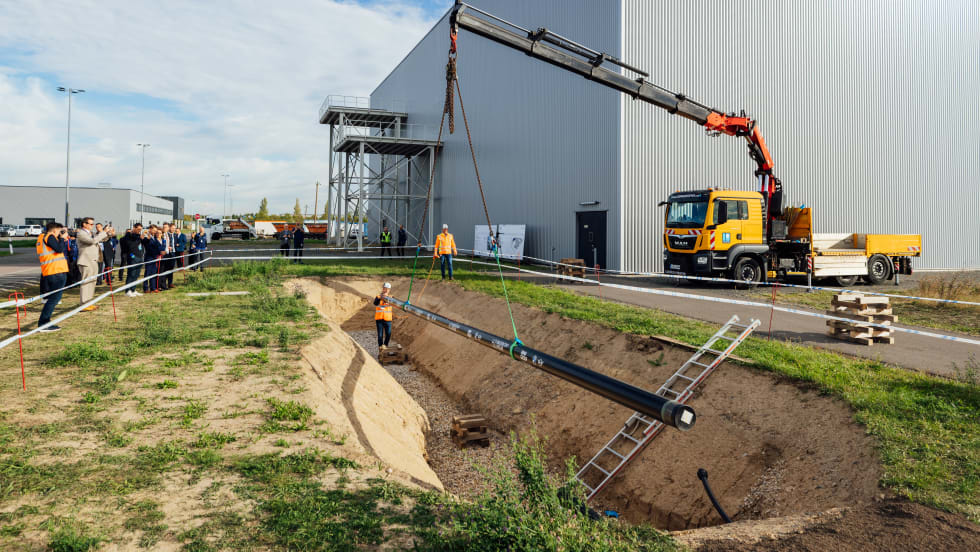
BMW Plant Pursues Cleaner Energy
BMW Group Plant Leipzig has utilized hydrogen to help power its production since 2013, but a new pipeline is planned to take it to another level.
Read More →
Auto Affordability Inches Up
The latest Cox Automotive and Moody’s Analytics index shows a slight increase in new-vehicle affordability despite high prices.
Read More →
Ohio Auto Group Under New Ownership
After 79 years with the Schluter family, Mansfield Auto Group has been acquired by Missouri-based Clement Auto Group.
Read More →
RV Group Expands Carolina Footprint
Blue Compass RV Columbia Northeast is the 13th RV dealership owned by Blue Compass in the Carolinas.
Read More →
Agent Acumen
An Agent Summit panel of people who’ve been supporting auto dealers for years gave both timely and timeless advice for those starting out or mulling the prospect.
Read More →
Missed Maintenance Creates Opportunity
As families get back on the road and into daily school routines, service drives have an opportunity to capture customers who are behind on recommended vehicle maintenance.
Read More →