



A Plan for Pay Plans
Increasing compensation in a struggling market is a smart move.

It's not an exercise in doubling payroll – it’s about surveying your market today and ensuring reliable, trustworthy and productive employees aren't undercut by your competitors.
Pixabay/Arcaion
"That's the way we've always done it." These seven words are notorious for being the most financially damaging in our industry. Yet somehow, we hear them consistently during our dealership visits. The automotive business is slow to change as it is, but when you try to introduce wages into the equation, the resistance becomes even more magnified.
However, some of the most effective changes we've implemented for dealers have required the most challenging conversations. Employees’ pay plans are at the top of this list.
Current Business Environment
One of the most valuable assets we have as agents is our ability to travel from market to market, observing patterns among a variety of operators. The "magic money fairy" of the COVID pandemic has flown away, leaving dealers back in their prepandemic positions but with a few unfavorable exceptions. Interest rates are no longer low, and manufacturers are slow to offer help, feeling dealerships “made enough profit already.”
As we observe industry struggles and declining average gross profits, who among us wants to champion the idea of increasing compensation? It's no surprise that raised hands are few. Yet in these rough times, investing in key people has never been more important.
Consolidation’s Effects
With consolidation becoming more prevalent in major markets, the value of key employees becomes glaringly apparent. Too often, I've witnessed a successful franchise enter a dark decline under new ownership. This isn't always because the new operators aren’t good people or don’t know what they are doing; it’s because the store's culture inevitably changes.
While consolidation is a great example of the damage a culture change can cause, it doesn’t mean that dealers who are not making such a change cannot and should not heed the warnings and learn from them.
When our customers purchase a vehicle, depreciation is the largest cost they will incur during ownership. However, since it’s not listed on the contract or desk quote, it’s rarely discussed.
Dealer principals also have a hidden cost that doesn’t show up on their financial statements. That cost is called employee turnover.
Greener Grass
It's human nature to always look for greener pastures, so we can't fault our employees for resigning. But what if we could make our grass so green that turnover isn’t a worry? Quantifying the true cost of turnover in key positions might give us a better understanding of what we’re dealing with.
Let's use F&I as an example. If tomorrow you lose your F&I manager who was producing $2,200 per car on 65 turns and selling two products per deal, even with two weeks' notice, there isn’t much time to act. As a general manager, how do you fill that vacant position? Frantically reaching out to anyone you know might be your first step, but good candidates are likely already employed.
When a last-second referral isn’t an option, running a help-wanted ad becomes necessary. After posting the ad, you spend two to three weeks screening applicants, eventually narrowing them down to a few candidates. After meeting with your management team, you make your selection.
By this point, you’re almost a month in. During that time your sales managers have been handling the turns, and maybe even achieving a respectable $1,300 per car to slow the bleeding. Meanwhile, your new hire is waiting for background and drug tests to clear. Realistically, you’ve gone a month at $1,200 per car and one product per deal, resulting in only $78,000—about $65,000 less than you should have had. You've also sold 65 fewer products, negatively impacting reinsurance positions and customer protection.
Once your new finance manager starts, he or she still needs time to get comfortable with your dealer management system, sales staff, and personal life changes. They won’t likely hit their true potential until the second or third month. Cutting initial estimates in half, you could be down $130,000 and tens of thousands of dollars in reinsurance premium. It seems crazy, but the fact is you could have doubled the original finance manager’s pay and still been more profitable.
Producing Better Results
This rough realization highlights turnover’s hidden cost. Stability in key positions is common in the most profitable dealerships. Whether employees advance or stay put, they should be so happy they have no reason to leave. Happy, loyal and appreciated employees pay dividends when expanding the dealership’s customer base.
One reason this is often a hard pill to swallow brings us back to those same seven words I mentioned early in this article: “That’s the way we’ve always done it”. Just because, when you did the job 20 years ago you “only made” $150,000 working 80 hours a week, has no bearing on today’s compensation schedule. In fact, that figure from 20 years ago is now equivalent to $270,000 due to inflation.
This piece is not an exercise in doubling payroll – it’s about surveying your market today and ensuring reliable, trustworthy and productive employees aren't undercut by your competitors.
A smart person once said, "When you are green, you are growing; when you are ripe, you are rotten." Some general managers and dealer principals, however, sacrifice long-term success to prove a costly point for short-term gains. Don’t fall into this trap. Instead, recognize the value of investing in your key people for sustained success.
EDITOR’S NOTE: This article was authored and edited according to Agent Entrepreneur editorial standards and style. Opinions expressed may not reflect that of the publication.
Jason Gannon is managing partner of F&I Guys, A Vanguard Dealer Services company.
More Industry

Penske Auto Group Deal a Record
The deal to take the dealership and transportation services company private sets a new pace for industry buy-sell transactions.
Read More →
War Toll a Damper on Used Auto Prices
Cox Automotive found wholesale depreciation to be elevated in September amid high fuel prices and this year's unusual hurricane season.
Read More →
Bridge the Maintenance Gap
With many drivers missing recommended maintenance, service departments offering transparency and efficiency have a better chance of reaching financially strained consumers.
Read More →
California Store Has New Owner
The longtime dealership in the northern part of the state is known for robust fleet sales and has served the state capital for 115 years.
Read More →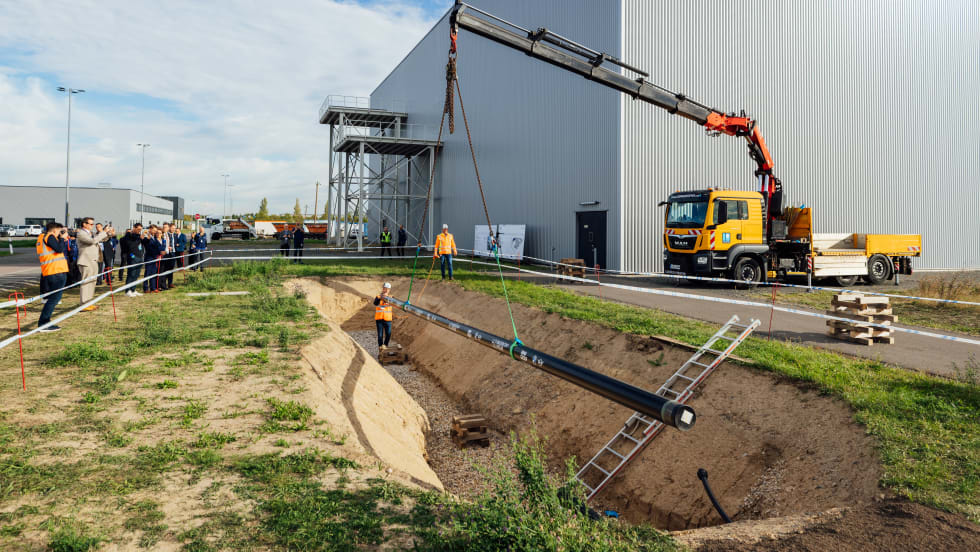
BMW Plant Pursues Cleaner Energy
BMW Group Plant Leipzig has utilized hydrogen to help power its production since 2013, but a new pipeline is planned to take it to another level.
Read More →
Auto Affordability Inches Up
The latest Cox Automotive and Moody’s Analytics index shows a slight increase in new-vehicle affordability despite high prices.
Read More →
Ohio Auto Group Under New Ownership
After 79 years with the Schluter family, Mansfield Auto Group has been acquired by Missouri-based Clement Auto Group.
Read More →
RV Group Expands Carolina Footprint
Blue Compass RV Columbia Northeast is the 13th RV dealership owned by Blue Compass in the Carolinas.
Read More →
Agent Acumen
An Agent Summit panel of people who’ve been supporting auto dealers for years gave both timely and timeless advice for those starting out or mulling the prospect.
Read More →
Missed Maintenance Creates Opportunity
As families get back on the road and into daily school routines, service drives have an opportunity to capture customers who are behind on recommended vehicle maintenance.
Read More →