



Auto Brand Loyalty Dips
Midyear numbers show strong conquest competition picking up post-pandemic shoppers.

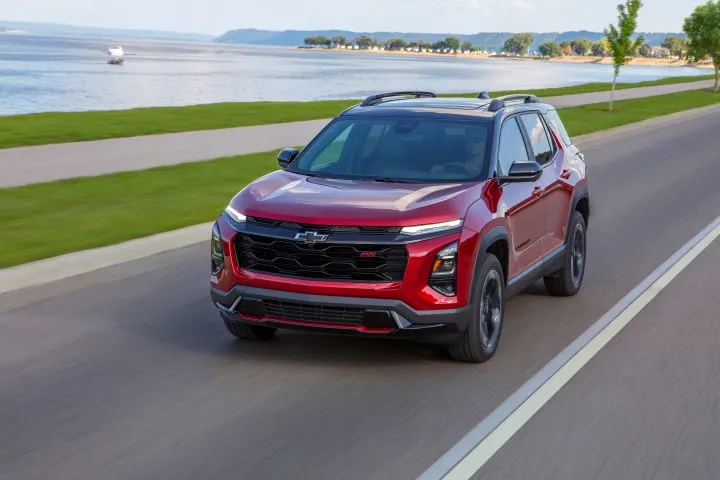
The Chevrolet Equinox topped all models with a loyalty rate of 43% in the first six months of the year.
General Motors
As more U.S. auto consumers shop for new vehicles after the pandemic, more are switching brands, new data show.
The S&P Global Mobility research shows a 4% increase in households returning to the auto-buying market during the first half of 2025 for the third straight year of gains. The increase has resulted in aggressive competition for those buyers, the data provider says.
“Households are returning to market, but many are open to cross-shopping in ways we didn't see during the height of pre-pandemic loyalty,” said Vince Palomarez, who helps direct S&P Global Mobility’s loyalty product management.
Though the company didn’t mention inflation, it would stand to reason that vehicle prices and elevated interest rates are factors in the defections.
In the six-month period, conquests of buyers from other brands rose about 8% year-over-year among mass-market brands and 6% among luxury brands, S&P reported.
Shifting inventories added to the wayward consumer trend. Together, the two factors cut down on loyalty by 1% to 51% after a slight increase in the same period last year. More than half of the brands S&P tracks saw loyalty loss of at least one percentage point.
"As loyalty softened, brands that executed competitive conquest strategies were able to capture households more effectively," said Tom Libby, who helps direct S&P Global's loyalty solutions and industry analysis.
Brands and vehicles that hung on to the most customers include:
General Motors, which led multibrand automakers with a 68% loyalty rate
Ford, leading all individual brands with a 59% loyalty rate
Mini, the loyalty growth leader, up nearly five percentage points
The Chevrolet Equinox, with a model-level loyalty rate of 43%.
S&P will hold a webinar on the midyear loyalty readings on Sept. 4, with a replay available to registrants.
DEALER LEVEL: Innovative Dealership Customer-Retention Strategies
Originally posted on Auto Dealer Today
More Industry

Penske Auto Group Deal a Record
The deal to take the dealership and transportation services company private sets a new pace for industry buy-sell transactions.
Read More →
War Toll a Damper on Used Auto Prices
Cox Automotive found wholesale depreciation to be elevated in September amid high fuel prices and this year's unusual hurricane season.
Read More →
Bridge the Maintenance Gap
With many drivers missing recommended maintenance, service departments offering transparency and efficiency have a better chance of reaching financially strained consumers.
Read More →
California Store Has New Owner
The longtime dealership in the northern part of the state is known for robust fleet sales and has served the state capital for 115 years.
Read More →
BMW Plant Pursues Cleaner Energy
BMW Group Plant Leipzig has utilized hydrogen to help power its production since 2013, but a new pipeline is planned to take it to another level.
Read More →
Auto Affordability Inches Up
The latest Cox Automotive and Moody’s Analytics index shows a slight increase in new-vehicle affordability despite high prices.
Read More →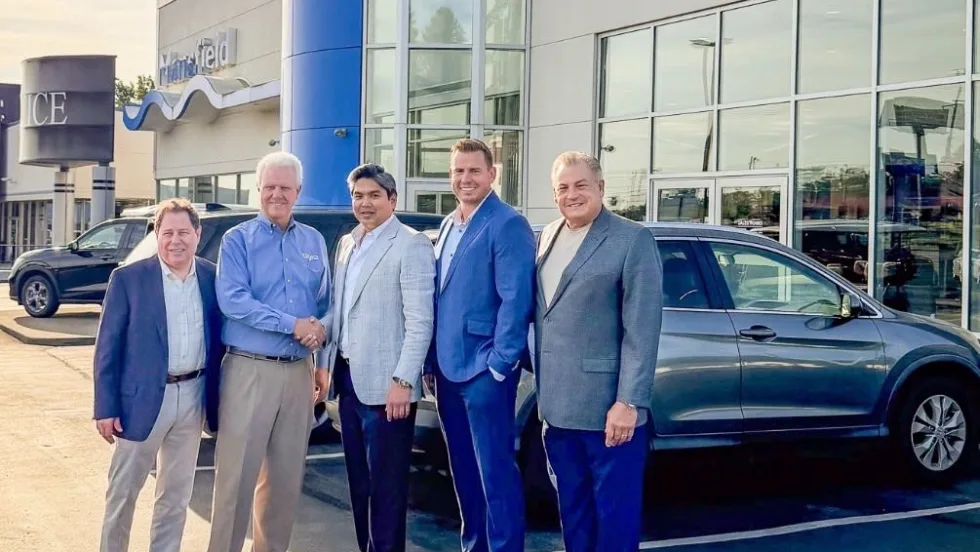
Ohio Auto Group Under New Ownership
After 79 years with the Schluter family, Mansfield Auto Group has been acquired by Missouri-based Clement Auto Group.
Read More →
RV Group Expands Carolina Footprint
Blue Compass RV Columbia Northeast is the 13th RV dealership owned by Blue Compass in the Carolinas.
Read More →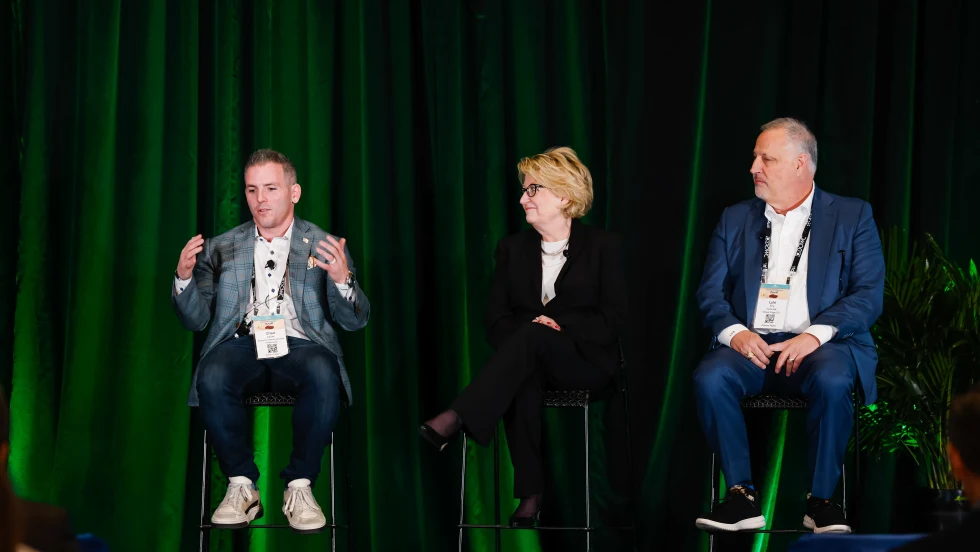
Agent Acumen
An Agent Summit panel of people who’ve been supporting auto dealers for years gave both timely and timeless advice for those starting out or mulling the prospect.
Read More →
Missed Maintenance Creates Opportunity
As families get back on the road and into daily school routines, service drives have an opportunity to capture customers who are behind on recommended vehicle maintenance.
Read More →