



Automakers’ Exposure to Tariffs Compared
Report shows some are more vulnerable due to greater share of sales in the U.S.


Mary Barra, CEO of General Motors, which imported the highest percentage of its U.S. sales last year of the 'big three' Detroit-area automakers and the third most of all OEMs, according to Jato Dynamics.
General Motors
Some automakers will be more affected by U.S. tariffs on vehicle imports than others due to the greater volume of their output they sell in the states.
Of the 16 million new light vehicles sold here last year, about six million, or 39%, were imported, largely from Mexico, Canada, the European Union, the United Kingdom, Japan and Korea, auto data provider Jato Dynamics estimates.
President Donald Trump has cited increased domestic auto production, along with national security, as the reasons for the tariffs, but at least in the short term, the duties would increase U.S. automakers’ costs along with their international competitors’.
The Jato report ranks Japanese automaker Mazda as the most exposed to the new 25% tariff, as 27% of its 2024 sales came in the U.S., followed closely by in-country competitor Subaru, with 26% of sales in the states.
But General Motors ranked third due to 18% of its 2024 sales imported to the U.S. Jeep maker Stellantis was less, but still significantly, exposed at 10% of U.S. sales imported, and Ford at 9%, the same as Japanese automaker Toyota.
The exposure doesn’t include U.S. tariffs on auto parts not made here. Those duties are scheduled to take effect on May 3 and will likely also have big impacts on U.S. carmakers’ operating costs.
When considering what are known as the “big three” Detroit-area automakers, about 13% of their U.S. sales were imported last year, Jato calculated. That compares to the “big three” Japanese competitors – Toyota, Honda and Nissan – at about 9% of collective sales made in the U.S., and the leading three German automakers – Volkswagen, BMW and Mercedes, which made 7% of their sales here.
“The rollout of these tariffs is yet another problem for the industry to navigate,” said Jato Global Analyst Felipe Munoz. “The US is the world’s second-largest vehicle market, and it will now be more difficult than ever for the vast majority of non-Chinese automakers around the world to trade.”
Originally posted on Auto Dealer Today
More Industry

Penske Auto Group Deal a Record
The deal to take the dealership and transportation services company private sets a new pace for industry buy-sell transactions.
Read More →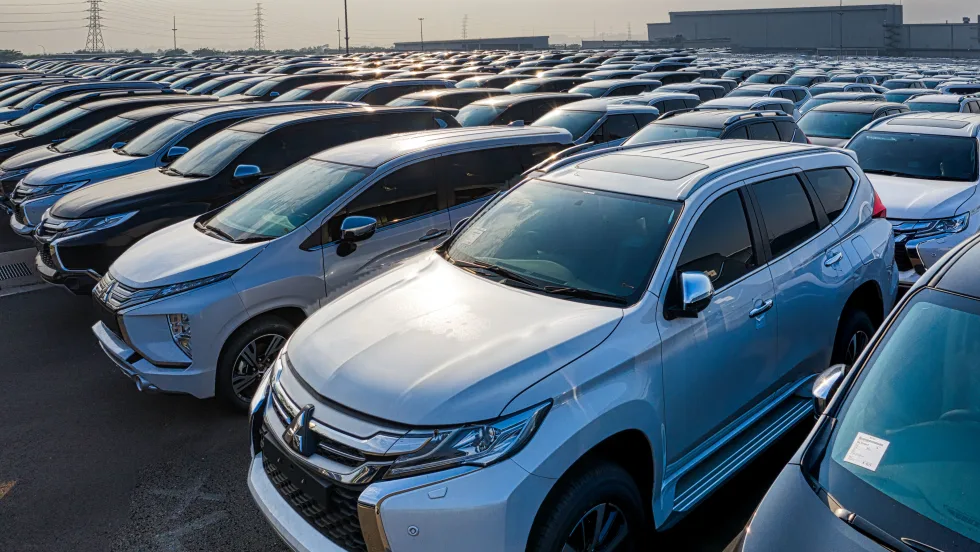
War Toll a Damper on Used Auto Prices
Cox Automotive found wholesale depreciation to be elevated in September amid high fuel prices and this year's unusual hurricane season.
Read More →
Bridge the Maintenance Gap
With many drivers missing recommended maintenance, service departments offering transparency and efficiency have a better chance of reaching financially strained consumers.
Read More →
California Store Has New Owner
The longtime dealership in the northern part of the state is known for robust fleet sales and has served the state capital for 115 years.
Read More →
BMW Plant Pursues Cleaner Energy
BMW Group Plant Leipzig has utilized hydrogen to help power its production since 2013, but a new pipeline is planned to take it to another level.
Read More →
Auto Affordability Inches Up
The latest Cox Automotive and Moody’s Analytics index shows a slight increase in new-vehicle affordability despite high prices.
Read More →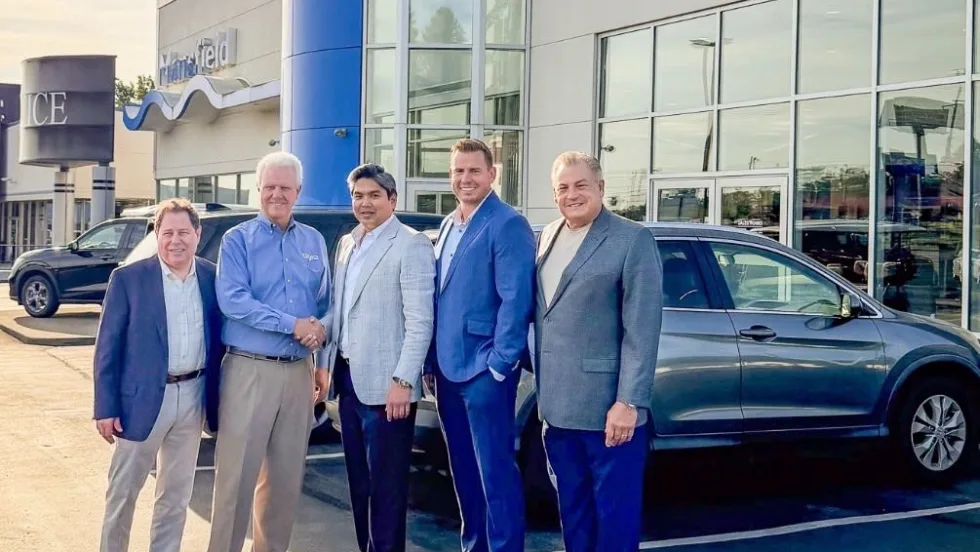
Ohio Auto Group Under New Ownership
After 79 years with the Schluter family, Mansfield Auto Group has been acquired by Missouri-based Clement Auto Group.
Read More →
RV Group Expands Carolina Footprint
Blue Compass RV Columbia Northeast is the 13th RV dealership owned by Blue Compass in the Carolinas.
Read More →
Agent Acumen
An Agent Summit panel of people who’ve been supporting auto dealers for years gave both timely and timeless advice for those starting out or mulling the prospect.
Read More →
Missed Maintenance Creates Opportunity
As families get back on the road and into daily school routines, service drives have an opportunity to capture customers who are behind on recommended vehicle maintenance.
Read More →