



Trust, But Verify
Build employee-verification processes into your business to ensure you’re not missing any in-house fraud.

The credit-application process, in particular, can be a problem area dealers should audit regularly.
Pexels/Mikhail Nilov
All business organizations need constant surveillance. Car dealerships are certainly no exception. With some dealership owners being absent from day-to-day operations, how is this surveillance being discharged? General managers and controllers should be trustworthy, but to quote a Russian proverb, “Trust but verify.” It is estimated that over 50% of all dealerships suffer from internal theft. As a corollary, external fraud continues unabated, assisted and enlarged by technology.
It’s important to note that initially honest dealership employees may succumb to temptation as a consequence of marital issues, gambling, drugs and alcohol, illness, living a lifestyle above their means, or an overly demanding work environment. Everyone in the chain of management should be the subject of inquiry. Cases are emerging of key dealership employees, general managers, sales managers, finance managers, and controllers defrauding their own dealerships. A typical organization loses approximately 5% of its annual revenues to internal fraud. A recently reported statistic further frames this issue: There is an estimated fraud loss exposure of over $7.9 billion in the automotive industry.
On a personal note, I investigated and prosecuted dealers for 16 years in Florida and encountered fraud firsthand. One of the most memorable remarks came from a dealer-principal who clearly didn’t understand his legal peril, when he told me that he hired only salesmen who had drug problems, drinking problems, or problems with women, because they were motivated to sell cars. This remark speaks for itself.
Key Examples and Risks
Of the many potential risks, this article will address only the frauds perpetrated in the credit application process; there are certainly many others. In order to qualify customers for credit, some dealership employees are assisting customers to misrepresent income, employment history, and other relevant information. In some cases, finance managers misrepresent these details without the customer’s knowledge. In other cases, consumers apply for credit fraudulently in numerous ways. In the worst cases, consumers use fraudulent credit applications to steal cars.
All dealers need to educate themselves about the following issues in the credit application process:
Synthetic identity fraud
Artificial paydowns
Credit washing
Power-booking
Utilizing third-party organizations that assist in creating fraudulent information
Indicating an incorrect salary or a false second income
Posting a false job or occupation
Misrepresent years of employment
Providing a false work phone number
Inflated car value
Fake VIN yielding a phantom retail installment sale contract
Odometer rollback
Title washing
Using another person’s name and identity
Strawman borrowing
Fake trade-in
Phantom down payments
Quickly stacking loans
Forged driver’s licenses, pay stubs, bank statements and Social Security cards
False payments
Fictitious mechanics liens
Solutions and Remedies
Dealer-principals should require a monthly report designed especially for their review.
Every dealer should have a trained and independent compliance officer who reports confidentially to the dealer-principal. The compliance officer should be responsible for fraud monitoring.
Employees should be encouraged to report internal fraud to the dealer-principal anonymously.
There are many technological tools to combat fraud, and dealers should apply them.
Onerous pay plans may spur employees to fabricate results, and these plans should be avoided.
There should be an internal audit program with written protocols, routine and unscheduled audits, assigned employee responsibilities, finalized reports, and appropriate discipline.
Audits by third-party organizations that specialize in the car business should be employed.
Dealers should hire only CPAs and attorneys who understand their industry for advice about these legal perils.
In conclusion, dealer-principals need to protect their interests. That Russian proverb should be heeded.
Terry O’Loughlin is director of compliance for Reynolds and Reynolds and is admitted to the Pennsylvania and Florida bars. Before joining Reynolds, he was employed by the Florida Office of the Attorney General, where he investigated automobile dealers and financing sources. He previously was a public accountant.
Originally posted on F&I and Showroom
More Industry
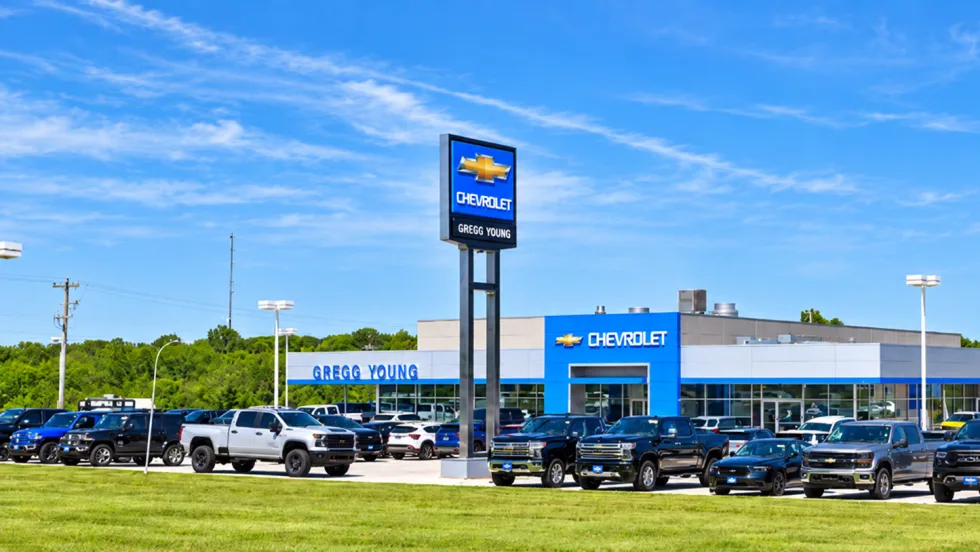
Nebraska Rooftop Changes Hands
The Gregg Young Automotive Group has sold its second dealership to Janssen Auto Group, both in Plattsmouth, Neb.
Read More →
Penske Auto Group Deal a Record
The deal to take the dealership and transportation services company private sets a new pace for industry buy-sell transactions.
Read More →
War Toll a Damper on Used Auto Prices
Cox Automotive found wholesale depreciation to be elevated in September amid high fuel prices and this year's unusual hurricane season.
Read More →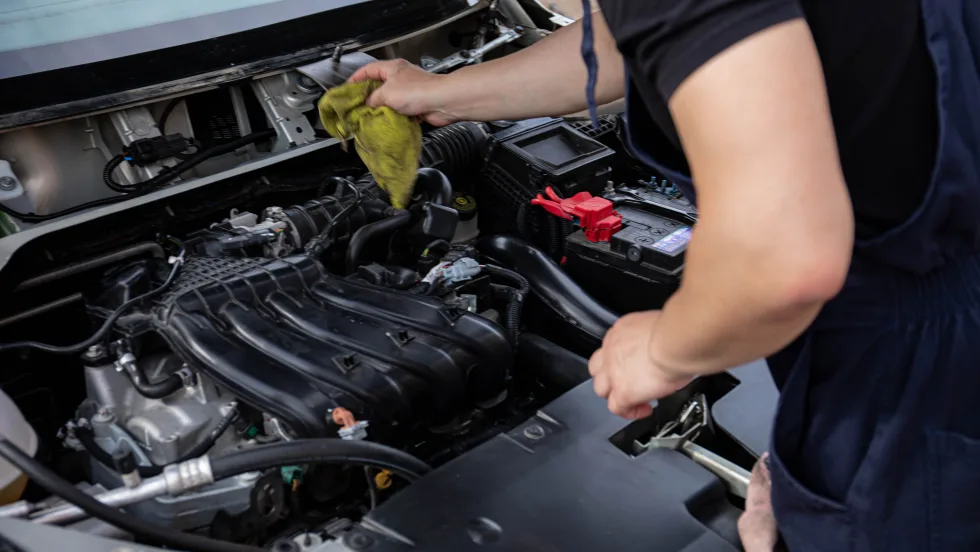
Bridge the Maintenance Gap
With many drivers missing recommended maintenance, service departments offering transparency and efficiency have a better chance of reaching financially strained consumers.
Read More →
California Store Has New Owner
The longtime dealership in the northern part of the state is known for robust fleet sales and has served the state capital for 115 years.
Read More →
BMW Plant Pursues Cleaner Energy
BMW Group Plant Leipzig has utilized hydrogen to help power its production since 2013, but a new pipeline is planned to take it to another level.
Read More →
Auto Affordability Inches Up
The latest Cox Automotive and Moody’s Analytics index shows a slight increase in new-vehicle affordability despite high prices.
Read More →
Ohio Auto Group Under New Ownership
After 79 years with the Schluter family, Mansfield Auto Group has been acquired by Missouri-based Clement Auto Group.
Read More →
RV Group Expands Carolina Footprint
Blue Compass RV Columbia Northeast is the 13th RV dealership owned by Blue Compass in the Carolinas.
Read More →
Agent Acumen
An Agent Summit panel of people who’ve been supporting auto dealers for years gave both timely and timeless advice for those starting out or mulling the prospect.
Read More →