



Safety Features Gain Widespread Acceptance
Study shows most drivers keep them on compared to survey conducted last decade.


The percentage of time that such safety systems are kept turned on has dramatically increased since a similar study was conducted eight years ago.
Pexels/PNW Production
According to a nonprofit group study, most drivers of vehicles with crash-avoidance systems now keep the features turned on, a sign of acceptance of the technology to increase safety.
The Insurance Institute for Highway Safety survey found that nine out of 10 drivers with access to lane-departure warning and prevention systems use them all the time, and seven out of 10 with visual warnings for exceeding speed limits keep those features turned on.
The traffic safety group said lane-departure features have the potential to prevent nearly a quarter of fatal crashes of passenger vehicles but have to date not significantly impacted insurance claims and reported collisions as have forward collision warnings and automatic emergency braking.
It believes that’s because front-to-rear crashes are far more frequent than side, head-on, and road-departure ones that lane-departure features figure in. At the same time, many drivers may have also initially kept the lane-departure systems turned off to avoid their alerts. “By and large, automakers have solved that problem,” the institute says in its report.
One industry change that has apparently greatly increased use of the systems is that haptic alerts, such as seat and steering wheel vibrations, are more common now than audible alerts or are offered as an option that the driver selects, based on higher activation rates for vehicles that feature haptic alerts.
The percentage of time that the studied safety systems are kept turned on has dramatically increased since a similar study was conducted eight years ago, IIHS said.
“The results reflect a combination of better designs and a growing acceptance of crash avoidance systems, more generally,” said IIHS Research Scientist Aimee Cox, the study’s lead author. “The new designs make the feature a little harder to turn off and a lot less annoying for the driver.”
Originally posted on F&I and Showroom
More Industry

Penske Auto Group Deal a Record
The deal to take the dealership and transportation services company private sets a new pace for industry buy-sell transactions.
Read More →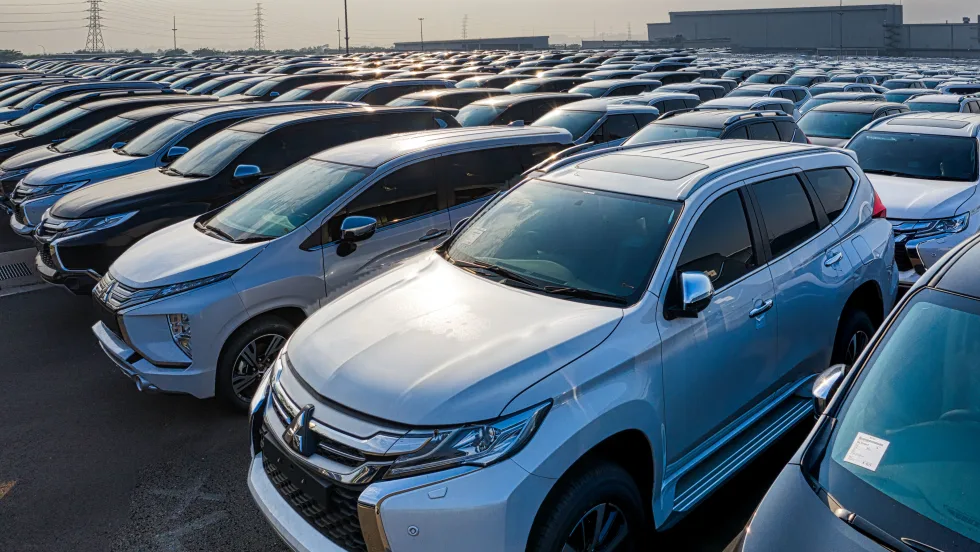
War Toll a Damper on Used Auto Prices
Cox Automotive found wholesale depreciation to be elevated in September amid high fuel prices and this year's unusual hurricane season.
Read More →
Bridge the Maintenance Gap
With many drivers missing recommended maintenance, service departments offering transparency and efficiency have a better chance of reaching financially strained consumers.
Read More →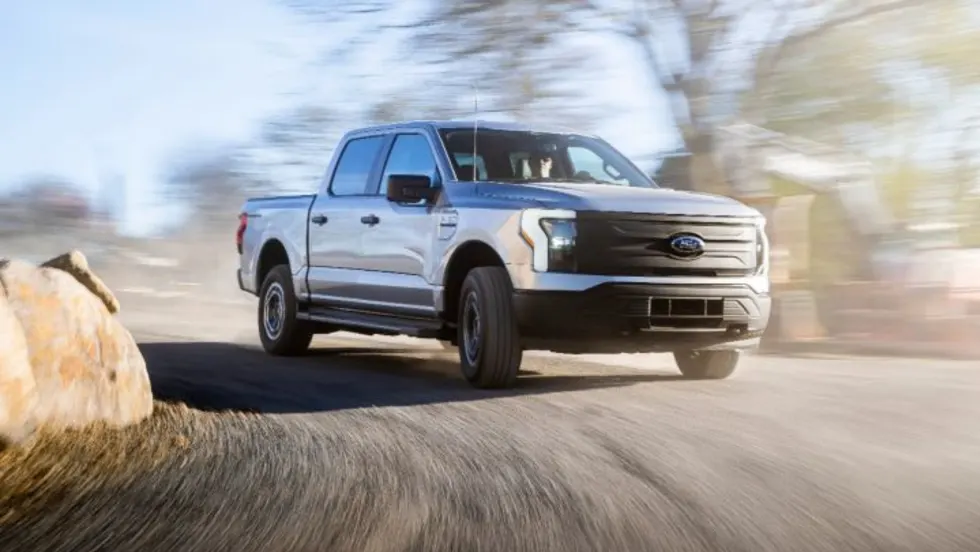
California Store Has New Owner
The longtime dealership in the northern part of the state is known for robust fleet sales and has served the state capital for 115 years.
Read More →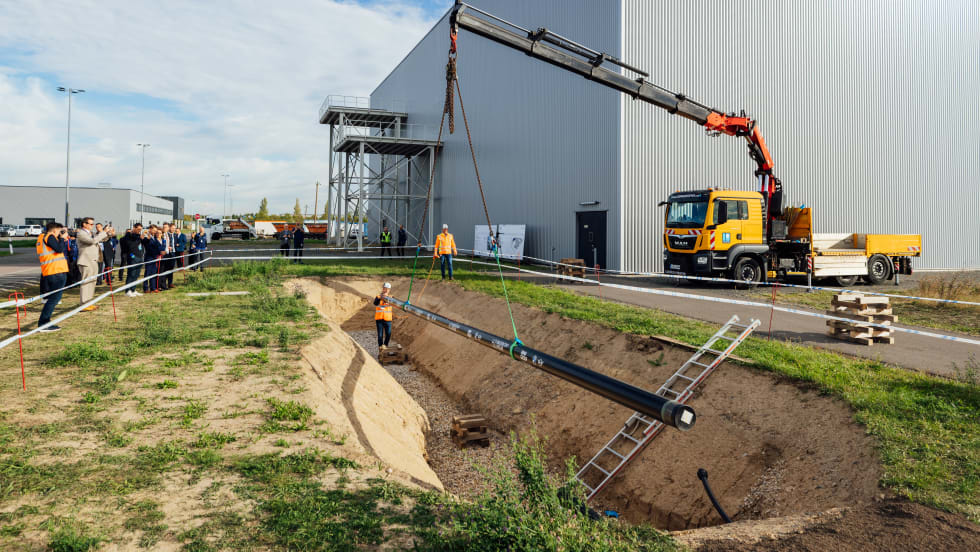
BMW Plant Pursues Cleaner Energy
BMW Group Plant Leipzig has utilized hydrogen to help power its production since 2013, but a new pipeline is planned to take it to another level.
Read More →
Auto Affordability Inches Up
The latest Cox Automotive and Moody’s Analytics index shows a slight increase in new-vehicle affordability despite high prices.
Read More →
Ohio Auto Group Under New Ownership
After 79 years with the Schluter family, Mansfield Auto Group has been acquired by Missouri-based Clement Auto Group.
Read More →
RV Group Expands Carolina Footprint
Blue Compass RV Columbia Northeast is the 13th RV dealership owned by Blue Compass in the Carolinas.
Read More →
Agent Acumen
An Agent Summit panel of people who’ve been supporting auto dealers for years gave both timely and timeless advice for those starting out or mulling the prospect.
Read More →
Missed Maintenance Creates Opportunity
As families get back on the road and into daily school routines, service drives have an opportunity to capture customers who are behind on recommended vehicle maintenance.
Read More →