



Check This
A compliance checklist is a must for auto dealerships on every deal to ensure regulations are followed and trouble avoided.


A compliance checklist allows a dealership to identify and address issues in a deal file and to note training opportunities.
Pexels/Suzy Hazelwood
On April 8, I had the privilege of being in the solar eclipse path of totality. Being able to watch this rare glimpse with my children was something special. Scientific enthusiasts traveled from all over the world to Dayton, Ohio, to be part of the action.
Months leading up to this natural phenomenon, we were bombarded with all things eclipse. Daytonians received “checklists” from police, fire, doctors and meteorologists. Police and fire reminded us to fill up on gas, stock up on food, expect traffic delays, and warned about phone service delays. Doctors’ warnings about eye safety, including when it was imperative to wear the safety glasses and when it was safe to remove the glasses. The meteorologists provided a list of pertinent times for the eclipse, what to expect, and how to effectively photograph the event.
With the barrage of information leading up to this experience, I considered myself prepared for the two-hour watch party. We set up shop in the front yard along with the rest of our neighbors. About one and a half hours in, my social media feeds began blowing up with pictures. I questioned how my friends were getting pictures if you were not supposed to look directly at the eclipse with your camera.
Checklist Categories
I referred to the meteorologist’s checklist, which said you could purchase a lens filter or cover your camera with the glasses used to protect your eyes. At that moment, I wished I had purchased the filter! When the eclipse reached totality, it really was amazing to witness.
In a personal or professional capacity, the use of a checklist can be beneficial. When I travel, I create a checklist of all the tasks I need to complete and items I need take for the trip. Professionally, I create a checklist each week of the tasks I need to accomplish.
Dealerships can also benefit from using a checklist as part of their sales and F&I processes. Your dealership may be ahead of the game and have multiple checklists floating around, one for funding, titling and F&I, to name a few.
Compliance Checks
I recommend that dealerships use a checklist dedicated to compliance, and it should be completed on every deal.
The compliance checklist serves two purposes for the dealership. It allows it to identify and address issues with the deal file. A checklist also helps identify training opportunities.
Sales and F&I should retain copies of the checklist at their desks. As a task or action item is completed, sales and F&I sign off on that specific checklist item.
With the customer present, sales and F&I should give a final review of the checklist, as it is easier to correct any compliance issues while the customer is still sitting across the desk.
While the responsibility of the checklist should fall on sales and F&I, your final backstop to ensure compliance is the accounting office, which should review the checklist, and if compliance issues arise kick the deal back to rectify the issue.
With dealership-specific requirements and applicable state and federal laws, the compliance checklist helps the dealer manage the paperwork and review items in its processes. Most often, the checklist should follow the flow of a deal from sales to F&I and then accounting.
Check the List
Now, let’s list a couple of key areas to include on the compliance checklist:
- Credit application completion
- Identity/Red Flags/OFAC confirmation
- Paper Trail – sales Worksheets, F&I menu, contracts and vehicle protection product enrollment forms
- Deposits and down payments
- Other compliance documentation – used-car buyer’s guide, credit score disclosure, privacy notice
Ultimately, the checklist should be organized to meet the specific needs of your dealership. If used effectively, the dealer will see improvement in processes, as well as identify training needs.
Originally posted on Auto Dealer Today
More Industry
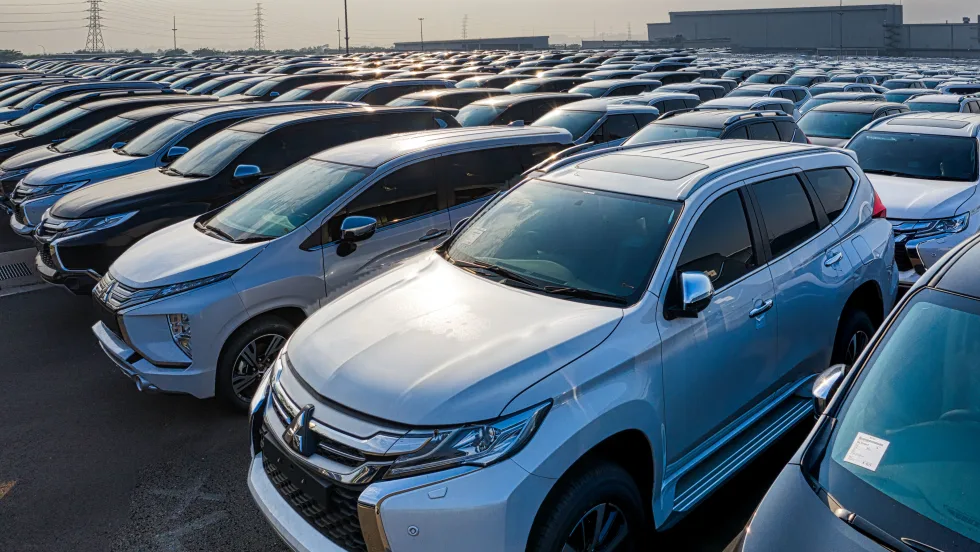
War Toll a Damper on Used Auto Prices
Cox Automotive found wholesale depreciation to be elevated in September amid high fuel prices and this year's unusual hurricane season.
Read More →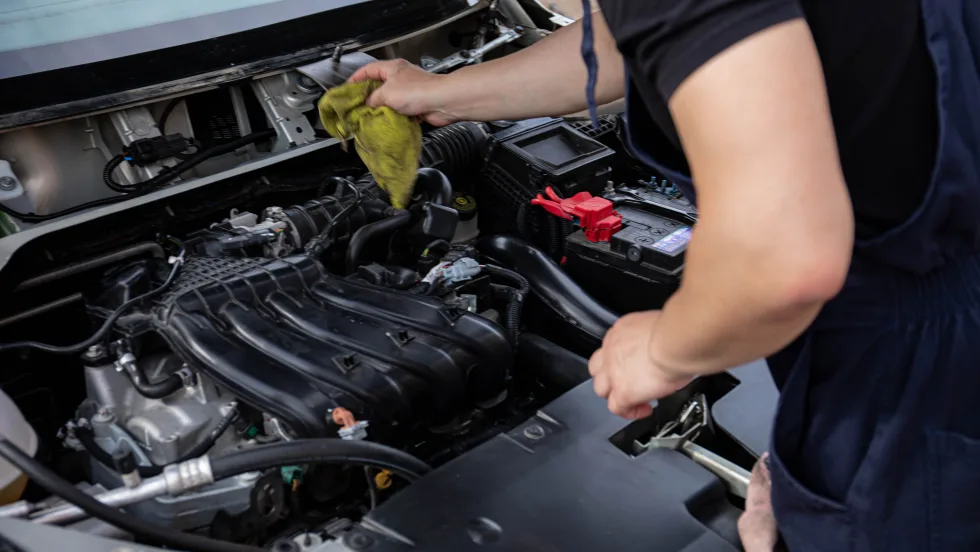
Bridge the Maintenance Gap
With many drivers missing recommended maintenance, service departments offering transparency and efficiency have a better chance of reaching financially strained consumers.
Read More →
California Store Has New Owner
The longtime dealership in the northern part of the state is known for robust fleet sales and has served the state capital for 115 years.
Read More →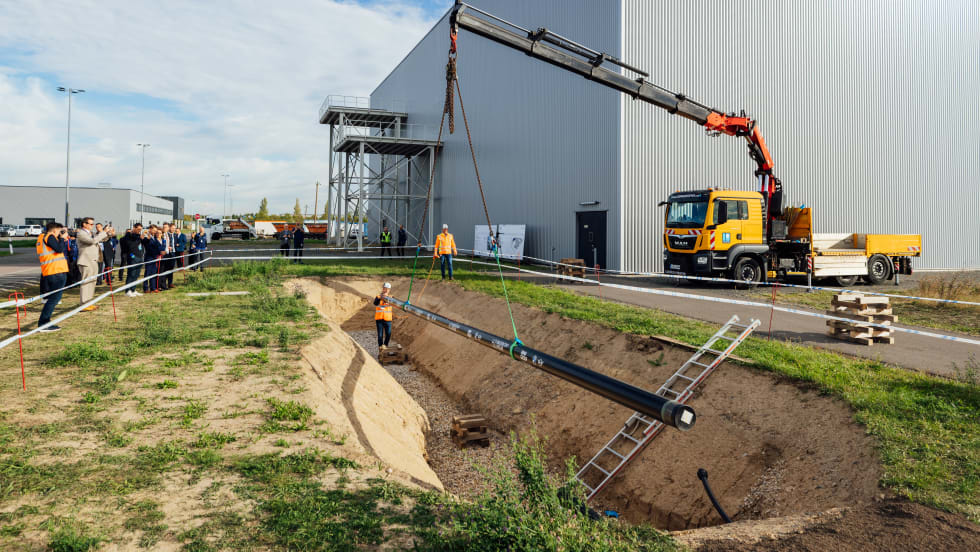
BMW Plant Pursues Cleaner Energy
BMW Group Plant Leipzig has utilized hydrogen to help power its production since 2013, but a new pipeline is planned to take it to another level.
Read More →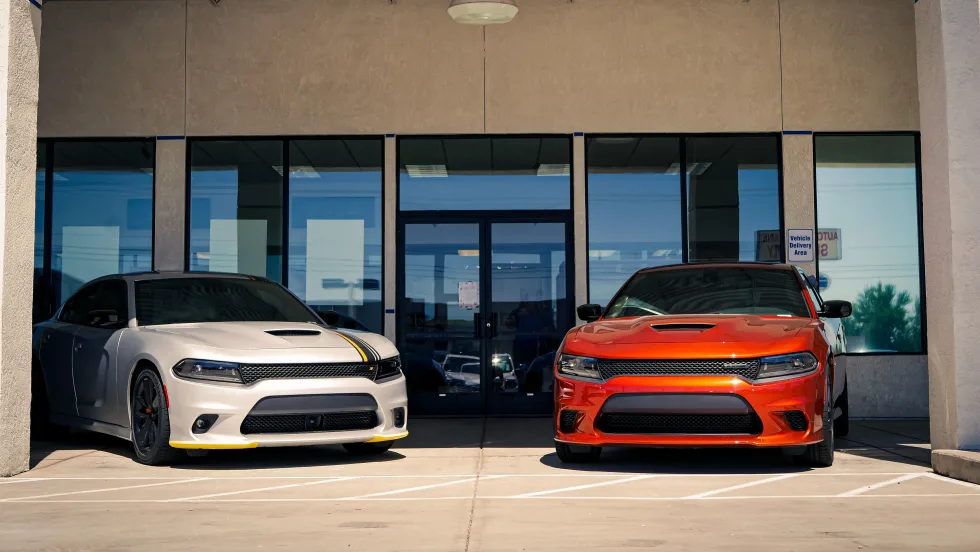
Auto Affordability Inches Up
The latest Cox Automotive and Moody’s Analytics index shows a slight increase in new-vehicle affordability despite high prices.
Read More →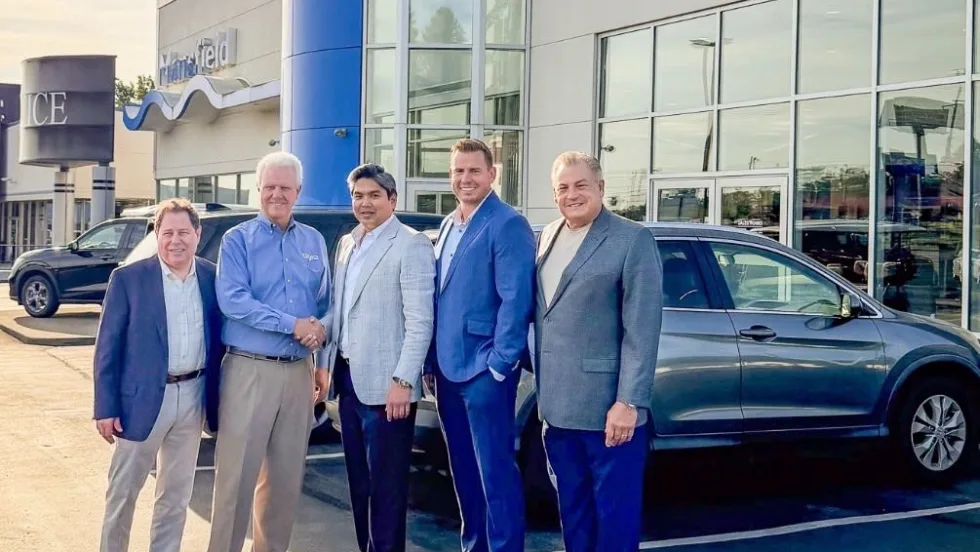
Ohio Auto Group Under New Ownership
After 79 years with the Schluter family, Mansfield Auto Group has been acquired by Missouri-based Clement Auto Group.
Read More →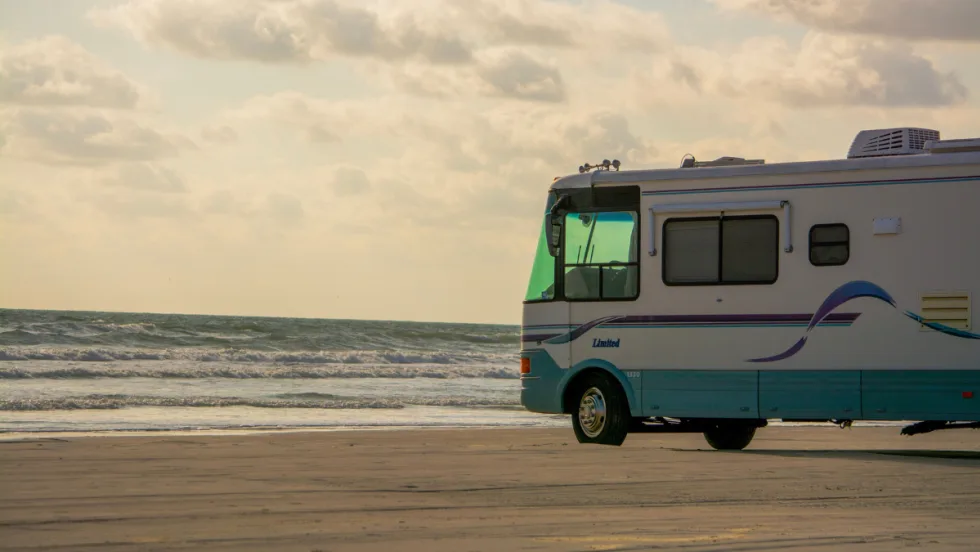
RV Group Expands Carolina Footprint
Blue Compass RV Columbia Northeast is the 13th RV dealership owned by Blue Compass in the Carolinas.
Read More →
Agent Acumen
An Agent Summit panel of people who’ve been supporting auto dealers for years gave both timely and timeless advice for those starting out or mulling the prospect.
Read More →
Missed Maintenance Creates Opportunity
As families get back on the road and into daily school routines, service drives have an opportunity to capture customers who are behind on recommended vehicle maintenance.
Read More →
Mitsubishi Unveils U.S. Plan
The automaker announced a strategy that includes an expanded lineup and dealership presence, along with more ‘rugged’ and electric models.
Read More →