



Steering Through Volatility: A Guide to Dealer Reinsurance
Dealers that opt into reinsuring their GAP product, if market conditions remain consistent with used-car values staying high, stand to make underwriting profits.

The combination of high car prices and higher interest rates could potentially result in astronomical GAP claims.
Pexels/John Guccione
The automotive industry, just like any other, has had its share of ups and downs. Yet, even amid market and industry fluctuations, I would estimate a large percentage of dealers are currently participating in the underwriting profits of reinsurance. This overwhelming participation is not without its implications, especially considering the constantly shifting economic landscape. So, it’s not surprising that one of the most frequently asked questions is, "Should automotive dealers be reinsuring their Guaranteed Asset Protection?"
In prior, stable market environments, customers tended to negotiate better deals, resulting in lower profit margins for each car sold. Additionally, low interest rates meant customers owed less on their cars. However, the economic landscape over the last two years has been anything but normal. The pandemic, inflation, inventory shortages and increased demand have significantly escalated car prices, more so for preowned cars, which sometimes sell for more than newer models. The combination of high car prices and higher interest rates could potentially result in astronomical GAP claims. The fallout from this is evident when a car is totaled or stolen; the primary insurance company often falls short of paying off the entire loan. Dealers participating in underwriting products, GAP being one of them, could be at risk of handling claims several times larger than in previous years.
The GAP Reinsurance Dilemma
Dealers who opt out of reinsuring their GAP face no risk; they write it, take the upfront profits, and do not partake in potential future underwriting profit. For those who opt into reinsuring their GAP product, if market conditions remain consistent with used-car values staying high, they stand to make underwriting profits. However, the market's volatility could quickly turn the tide. If used-car inventory levels stabilize and used-car values decline due to falling demand, there could be a big GAP problem, wiping out any potential underwriting profits. Essentially, the profits dealers hoped to enjoy would not be there.
Risks, Solutions, and Customized Solutions
The risks are high; a dealership can stand to lose up to 100% of its GAP premium. If a dealer writes a $1 million GAP premium and the losses amount to $1.5 million, they lose the $1 million, and insurance covers the rest. For dealers with dealerships in multiple locations within the same state, there may be variables that require one store to opt for reinsurance of certain products, when another store does not participate.
Dealerships must evaluate every opportunity or scenario, looking closely at the franchise, the market and socioeconomic factors. An expert with a finger on the pulse of value projections and markets can be invaluable, providing assessments and recommendations tailored to each dealership's unique circumstances.
GAP isn't the only concern. As an example, windshield protection products also pose a risk in some states. And then there's the matter of differing sales tax rates across states. Dealerships operating in multiple states might be advised to reinsure some products in states with zero sales tax versus states where high sales taxes are imposed.
Without a one-size-fits-all solution, it's about having the right product mix. Advisers can help by monitoring market indicators, guiding dealers to reassess their portfolio and develop a strategy for reinsuring products.
The Importance of Vigilance
With no crystal ball at hand, the automotive dealership's future lies in preparedness, vigilance and the ability to adapt to changing circumstances. No one has seen the shock waves yet; used cars still have a shortage, and book values are high. As markets and conditions fluctuate, one thing is certain: A strategic, flexible approach to reinsurance can be the difference between riding out the storm and being swept away.
Dylan Doran is is president of WFIS, a Vanguard Dealer Services Company.
Originally posted on Auto Dealer Today
More Industry

Penske Auto Group Deal a Record
The deal to take the dealership and transportation services company private sets a new pace for industry buy-sell transactions.
Read More →
War Toll a Damper on Used Auto Prices
Cox Automotive found wholesale depreciation to be elevated in September amid high fuel prices and this year's unusual hurricane season.
Read More →
Bridge the Maintenance Gap
With many drivers missing recommended maintenance, service departments offering transparency and efficiency have a better chance of reaching financially strained consumers.
Read More →
California Store Has New Owner
The longtime dealership in the northern part of the state is known for robust fleet sales and has served the state capital for 115 years.
Read More →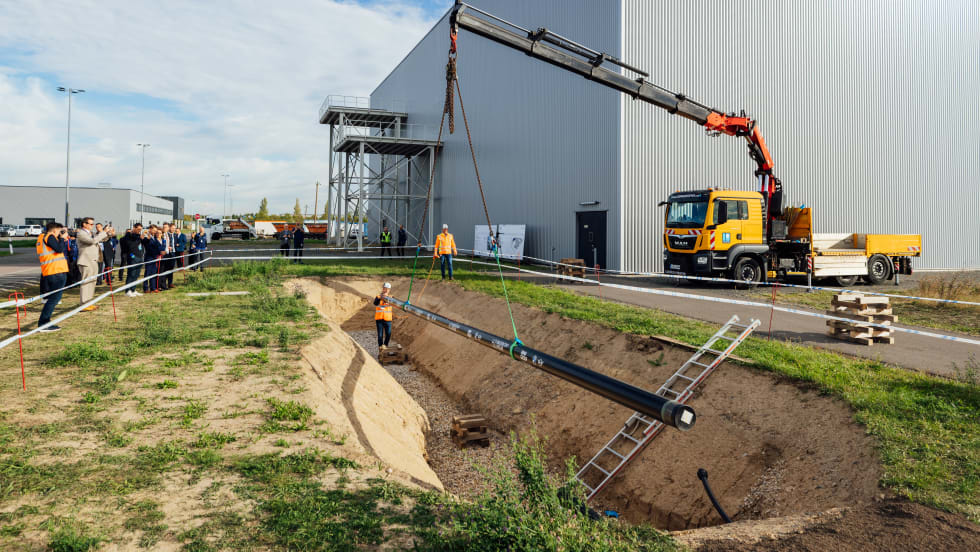
BMW Plant Pursues Cleaner Energy
BMW Group Plant Leipzig has utilized hydrogen to help power its production since 2013, but a new pipeline is planned to take it to another level.
Read More →
Auto Affordability Inches Up
The latest Cox Automotive and Moody’s Analytics index shows a slight increase in new-vehicle affordability despite high prices.
Read More →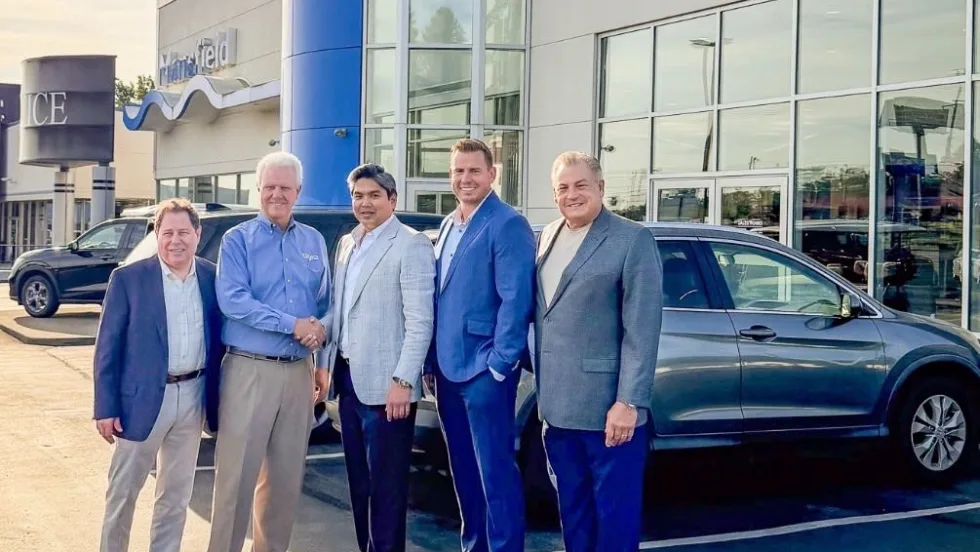
Ohio Auto Group Under New Ownership
After 79 years with the Schluter family, Mansfield Auto Group has been acquired by Missouri-based Clement Auto Group.
Read More →
RV Group Expands Carolina Footprint
Blue Compass RV Columbia Northeast is the 13th RV dealership owned by Blue Compass in the Carolinas.
Read More →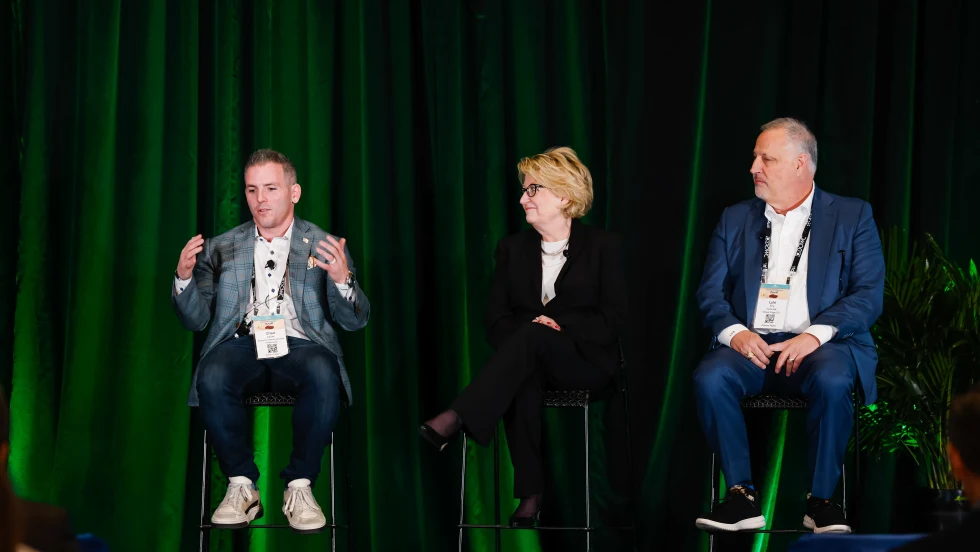
Agent Acumen
An Agent Summit panel of people who’ve been supporting auto dealers for years gave both timely and timeless advice for those starting out or mulling the prospect.
Read More →
Missed Maintenance Creates Opportunity
As families get back on the road and into daily school routines, service drives have an opportunity to capture customers who are behind on recommended vehicle maintenance.
Read More →