



Automation, Disruption, and Tough Love for the Auto Industry
In order to keep up with a rapidly changing industry, dealers need to find new operating efficiencies and build connections with the communities they serve, if they expect to stay a step ahead of their competitors.

In order to keep up with a rapidly changing industry, dealers need to find new operating efficiencies and build connections with the communities they serve, if they expect to stay a step ahead of their competitors.
The auto industry is innovating, and smart dealership groups are embracing technology that helps them to adapt, both on the retail front-end and in the back office. Arguably, this comes as response to automation and disruption continuing to move forward at lightning speed as we further enter the 2020s. As we forge into the new decade, it’s a good moment to reflect back to future-proofing strategies that have been laid out in recent years by finance leaders from dealership groups and software providers to the industry.
The next decade will bring sweeping changes to the auto industry — both pain and new opportunities.
Changing What Cars Are About
Autonomous vehicles, ride-sharing services, and big data are changing the very notion of what cars are about, notes Greg Goodwin, CEO of Kuni Automotive. He envisioned a world where transportation is mostly delivered as a service. Instead of owning a vehicle, drivers can get access to a variety of vehicles for different needs, for example, a luxury car for the weekend or a four-wheel drive sport vehicle for a road trip.
Cars and trucks will become part of the “Internet of Things,” nodes on a network, transmitting data to insurers and traffic routing apps among others. Efficient autonomous vehicles will relieve the strained capacity of highway systems, and traffic tickets will be a thing of the past.
In this new landscape, sales of cars are expected to spike initially as new operators build out their fleets, and then decline dramatically. However, utilization will go up, which could mean increasing demand for service and repairs.
Disruption Upon Disruption
All of this comes as dealerships are adapting to the impact that the internet has already had on the way cars are sold. Previously, customers visited a dealership an average of five times before making a purchase, according to data shared by Justin Sprague, the division vice president for product marketing, North America at CDK Global. Now they come to the store armed with information, ready to buy on the first visit.
That’s resulted in lower profits, and it’s also meant that dealerships can't just focus on selling a car, but also selling an experience to an increasingly disloyal customer. According to other research shared by Sprague, only 12% of the iGeneration, born in late 90s early 2000s, are brand loyal when it comes to cars.
These consumers value a paycheck less than work-life balance, and experiences over things. They expect high levels of engagement from companies they do business with — engagement that spans physical and digital channels.
“There’s a future in the auto business, but only for those who are realistic about the changes,” said Goodwin.
Small dealers will likely struggle as these changes unfold. Bigger dealership groups that can achieve economies of scale will fare better, but they will have to centralize accounting and make smart technology investments to root out inefficiencies.
Automation and Tough Love
To that end, Patsy Price, director of operations at Peterson Auto Group, a five-store chain in the Boise area, has detailed how she consolidated accounts payable, taking the company from driving “coffee-stained invoices from store to store” to an automated end-to-end process. She provided a distinctive blend of automation and tough love.
“I’m giving you 45 days to get rid of that filing cabinet,” she told her team. “No scanning, no paper invoice files.”
Executives initially balked at approving invoices online instead of on paper, seeing it as AP's workload falling onto their desks. Price told them, “If you want to touch something, touch the screen.” Once they experienced the visibility and control of the online approval process, the solution spoke for itself.
With AP automated from invoice ingestion through payment, now Price says, “We manage our business instead of it managing us. If it takes you longer than five minutes to do a task, you have to have a conversation with me.”
Increasing Engagement
If increasing operational efficiency is one strategy for thriving in this new world, increasing community engagement is another.
CFO Laura Carlisle of Kuni Automotive has shared the company’s journey toward creating a culture of community engagement through a long-standing partnership with a local chapter of Big Brothers Big Sisters. The organization currently brings a school bus full of kids to the Kuni Garage to meet with their Kuni mentors weekly.
The benefits of community involvement cut both ways she said. It’s an opportunity to increase employee engagement, leadership skills, and also retention. “By the way” she said, “It also sells cars.”
Former NFL executive and general manager of the San Francisco 49ers, Carmen Policy, also neatly bookends the community engagement theme. He has shared stories of the 49ers' dynasty in the 1980s. One thing that made the era legendary, he has noted, was the organization’s ability to develop a culture that attracted others, and became a viral offshoot.
The next decade will bring sweeping changes to the auto industry — both pain and new opportunities. Car dealerships will not go away, but they are likely to look different. Finding new operating efficiencies and ways to tie themselves more closely to the communities they serve are two keys to reinventing the dealership for a vastly different future.
Karla Friede is CEO, co-founder, and member of the board of directors at Nvoicepay. She has more than 30 years of experience in management, finance, and marketing roles in both large and early-stage companies.
More Industry
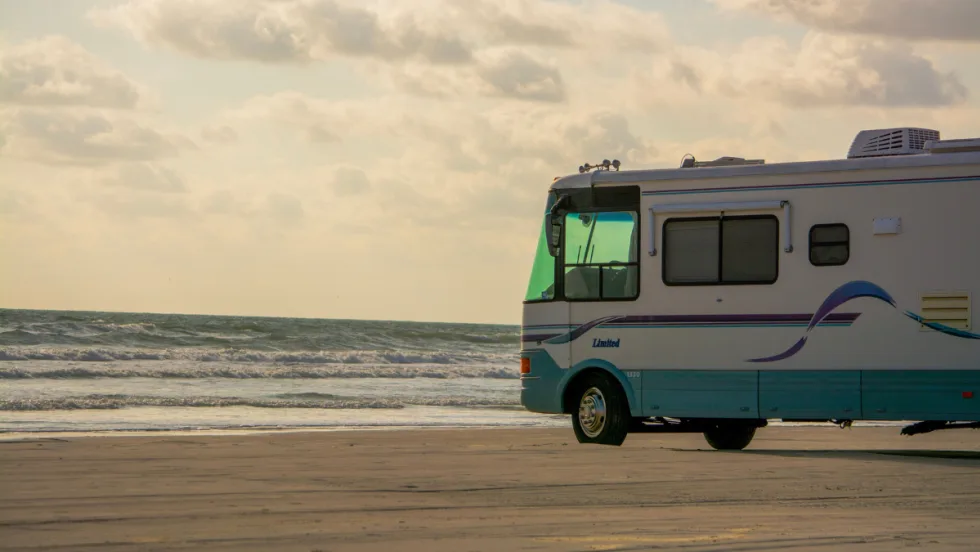
RV Group Expands Carolina Footprint
Blue Compass RV Columbia Northeast is the 13th RV dealership owned by Blue Compass in the Carolinas.
Read More →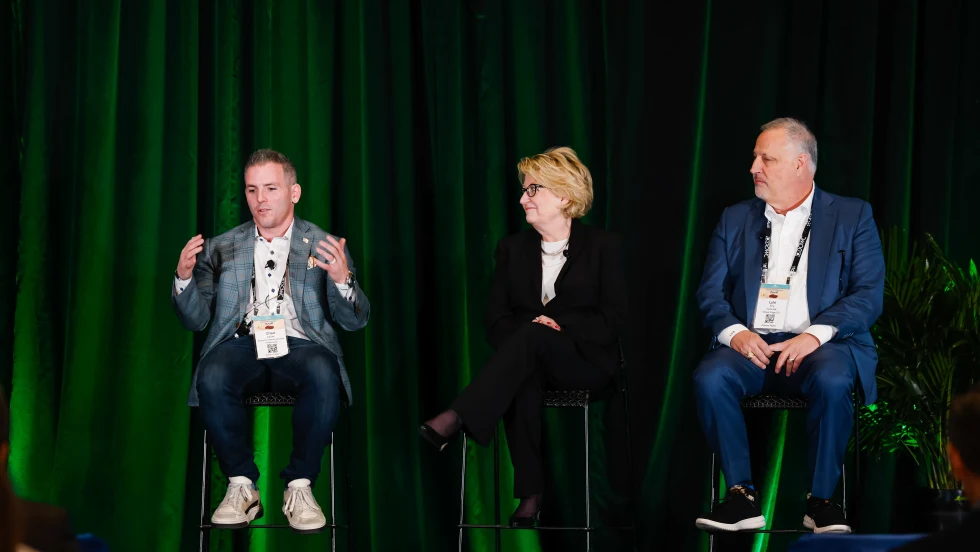
Agent Acumen
An Agent Summit panel of people who’ve been supporting auto dealers for years gave both timely and timeless advice for those starting out or mulling the prospect.
Read More →
Missed Maintenance Creates Opportunity
As families get back on the road and into daily school routines, service drives have an opportunity to capture customers who are behind on recommended vehicle maintenance.
Read More →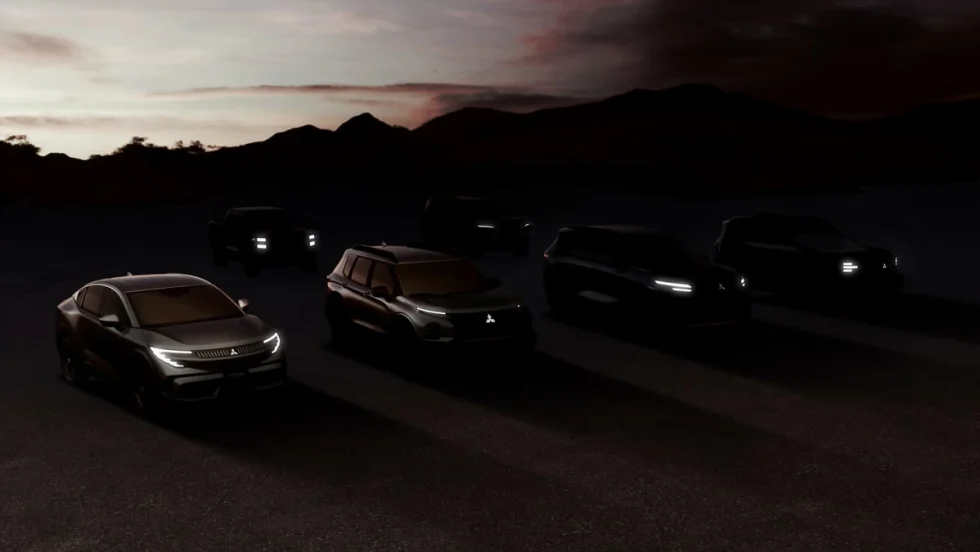
Mitsubishi Unveils U.S. Plan
The automaker announced a strategy that includes an expanded lineup and dealership presence, along with more ‘rugged’ and electric models.
Read More →
Selling to Grow
The question of whether you should sell your agency and if so, when, is up to you. But it’s a question worth asking to ensure you keep the business on the right path for yourself, employees and clients.
Read More →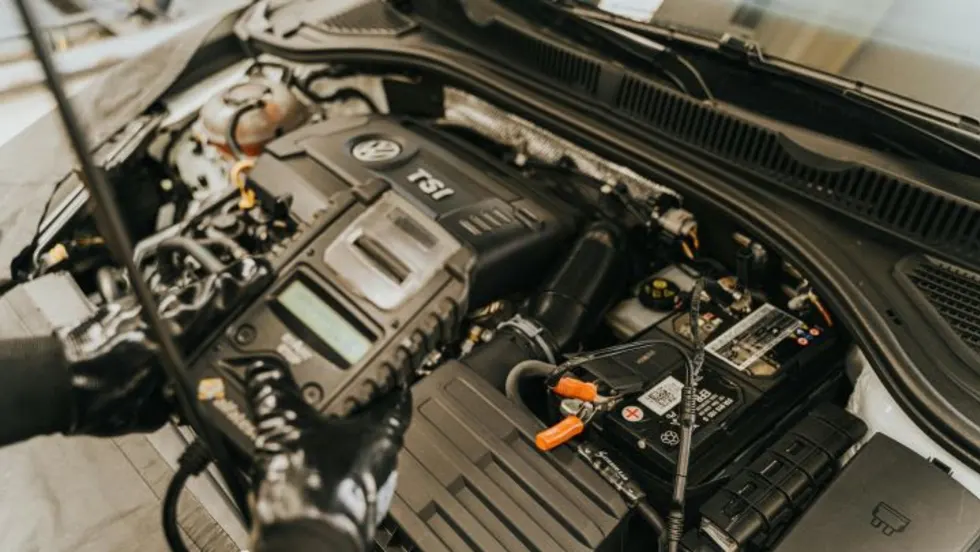
Recalled Vehicles Hit 5-Year High
Though the number of events has fallen so far this year, impacted units are up significantly. Meanwhile, regulators consider consumer notification changes.
Read More →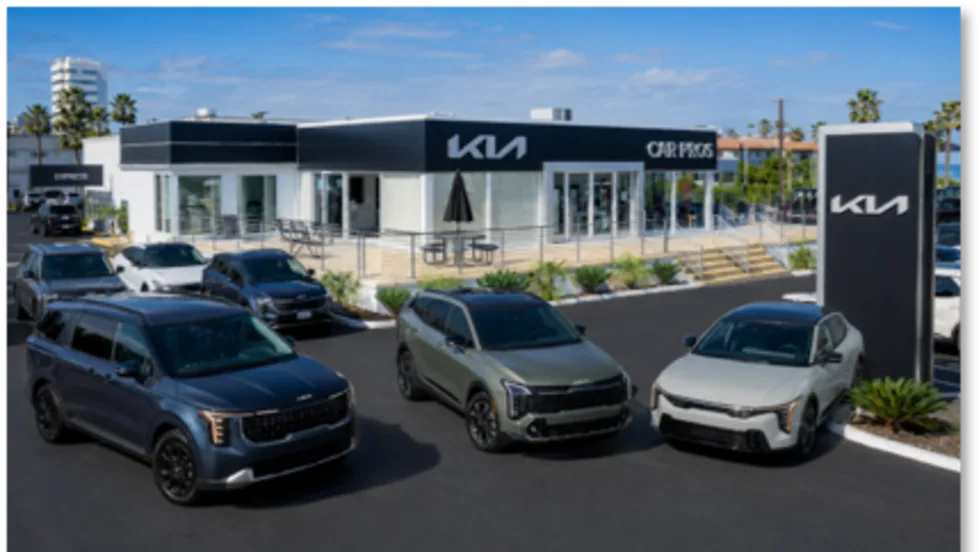
Auto Group Acquires Top-Performing Rooftop
Car Pros sold its Kia Huntington Beach location to Sutherlin Automotive Group, marking the buyer’s third location in Southern California.
Read More →
China as Pacesetter
Automotive leaders huddled on where North America stands in the global picture and how it can strengthen its position against the Asian juggernaut’s surging industry.
Read More →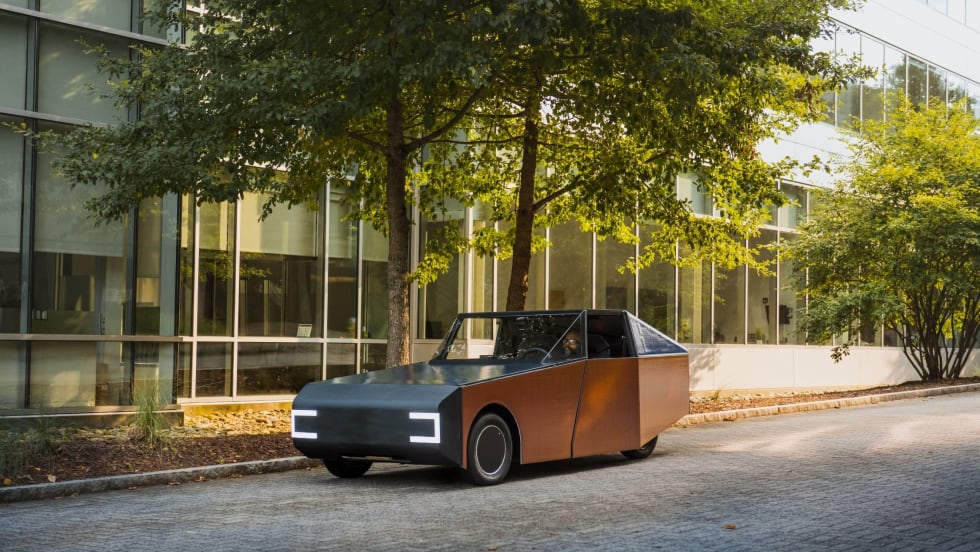
BMW Concept Car Makes Fuel to Burn
The prototype developed in concert with a South Carolina university engineering team generates more solar energy than it uses in a typical daily commute.
Read More →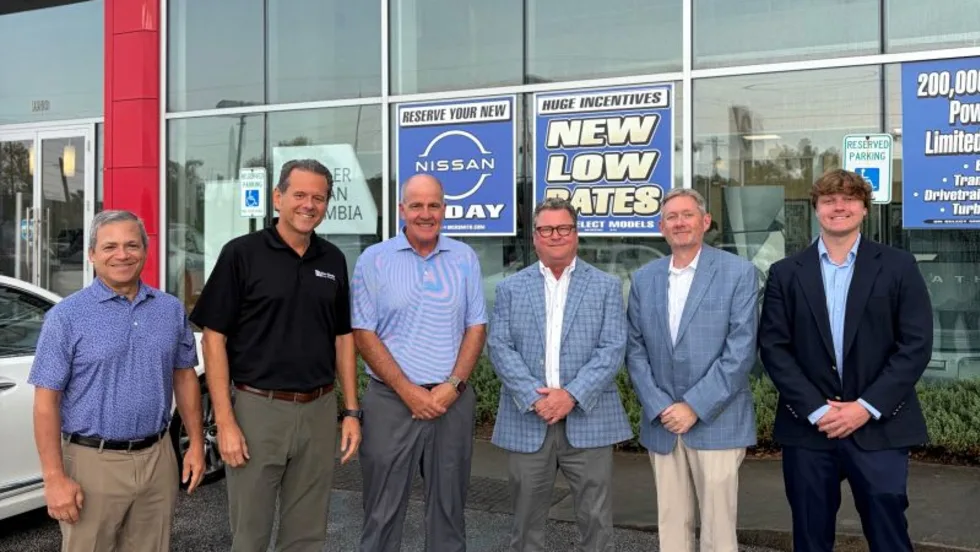
South Carolina Auto Group Downsizes
Florida-based group Holler-Classic has acquired four rooftops, its first in South Carolina, from Dick Smith Automotive Group.
Read More →