Buy here, pay here (BHPH) was founded on the concept of customers paying directly at the dealership. Theoretically, this was intended to build a stronger bond between the customer and the dealer after the vehicle was sold. It also allowed the dealer an opportunity to physically inspect the collateral (the vehicle sold) periodically over the entire term of the contract. Hence, BHPH was rightfully named, “buy here, pay here” because the majority of repayments were made in person.
Payment procedures have changed dramatically over the last few years in response to a much different economic environment and the evolution of new technology. Today, operators must be particularly diligent in their collection procedures, because today’s BHPH customers are short on liquidity and long on expenses! Today’s successful BHPH operator must provide multiple options for customers to make their contractual payments and eliminate the need for them to drive to their lot to pay in person. In addition, inflation is causing operating costs to rise faster than customer down payments and repayments, thereby increasing risk and reducing return on investment.
Therefore, prudent operators must strive to become more efficient in collections without increasing their overhead. Further, operators must seek to have customer payments deposited as quickly as possible to their bank accounts and eliminate the need for personnel to process these customer repayments manually.
For all of the aforementioned reasons, alternative repayment methods have become an integral part of the BHPH collection process. Pay portals integrated directly into an operator’s dealer management software (DMS) system are now a necessary item in a BHPH collector’s toolbox. These electronic portals allow operators to process customer repayments faster and more efficiently by eliminating the need for manual processing. The use of electronic portals to accept payments improves internal control over cash receipts and increases cash flow. Operators who are not using electronic payment methods are missing an important competitive advantage.
When it comes to reviewing pay portal options consider whether that service provider meets certain industry regulations (for ACH - NACHA guidelines and for Cards - PCI - DSS). Some providers today may not meet either! At our upcoming East Coast BHPH Conference in Atlanta on October 21-23, 2012, we will discuss these standards in detail and how to make sure your business is working with firms that meet or exceed them.
A danger in using electronic portal payment processing is that the “personal bond” with the customer is broken. That is, the operator no longer meets with the customer on a regular basis when payments are made. Therefore, if the customer defaults on a repayment the operator must scramble to take the appropriate action. If that action includes repossession, the operator must locate the vehicle and the customer as quickly as possible. In these circumstances the use of GPS tracking technology is recommended. If a GPS device is installed when the vehicle is sold, the electronic “bond” replaces the need for in-person repayments. The combination of electronic portal payments and the use of GPS devices comprise a winning technology combination!
For operators who use the indirect BHPH business model (that is, purchasing contracts from unaffiliated dealers) electronic repayments are needed for collections. The indirect business model has become an important source of capital to smaller operators who do not have their own credit lines. Therefore, smaller operators are encouraged to utilize electronic payment processing, too!
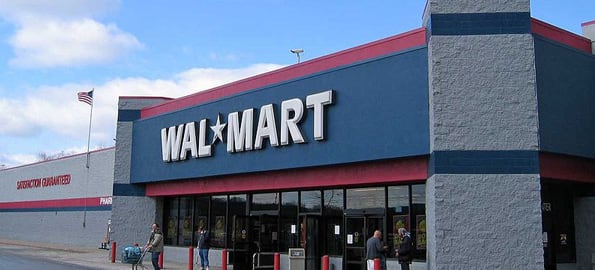
In addition to processing customer payments electronically, successful operators also offer other repayment options such as debit cards, ACH, MoneyGrams, credit cards, prepaid debit card issuance and other alternative payment methods. In addition, some customers pay at nearby convenience stores or at Walmart, thereby avoiding a lengthy trip to the dealer’s sales lot. Each of these alternatives enhance an operator’s collection processing and facilitate efficient customer payment processing. These alternative repayment methods are a major improvement over the old “pay at the lot” procedure and will continue to be an integral part of good BHPH collection procedures in the future. The cost of the various repayment processing options should be evaluated against the benefits they provide to determine which alternatives best fit in a particular operator’s collection program.
At the last several NABD conferences, we showcased these technologies and encouraged operators to consider implementing them. At our upcoming East Coast Conference, we will again have interactive sessions where attendees can ask, and get answers to, their questions about alternative repayment strategies and talk to operators who have actually implemented them. This networking opportunity is the best way to evaluate all the numerous alternatives.
In today’s challenging BHPH environment, operators need to work smarter, rather than harder. The use of alternative payment processing methods to enhance collections and cash flow is highly recommended because “pay here” appears to be the past and “pay there” is the future. Good luck!