



DETROIT/SEOUL — Kia Motors said on Friday it had started a recall of some 56,000 Soul and Sorento vehicles sold in the United States and
South Korea due to defective wiring harnesses that could cause fires, Reuters reported.
 MENU
MENU SEARCH
DETROIT/SEOUL — Kia Motors said on Friday it had started a recall of some 56,000 Soul and Sorento vehicles sold in the United States and
South Korea due to defective wiring harnesses that could cause fires, Reuters reported.
Some harnesses supplied by Johnson Controls for lighting in 2010 model-year Soul cars and 2011 model-year Sorento SUVs were
improperly soldered, leading to possible electrical shorts, Kia said in a letter to U.S. safety regulators on August 30.
There were no reports of accidents or injuries due to the issue, which was identified in June, said Kia, an affiliate of South Korea's Hyundai Motor Co. Kia determined that a recall was needed on August 23.
Through August, Kia Soul sales had more than doubled in the United States to nearly 44,000 from the first eight months of 2009. The Soul has been marketed to the same younger drivers targeted by Toyota Motor Corp's Scion brand.
Kia will replace the wiring harnesses, it said.
The U.S. recall covers 23,972 Soul cars produced from September 7, 2009, through June 8, 2010, and 11,213 Sorento vehicles built from October 23, 2009, through July 30, 2010, according to the notice filed with the U.S. National Highway Traffic Safety Administration.
In August, NHTSA launched a probe into possible steering defects in the 2010 model-year Soul after a driver said a steering shaft detached from the steering wheel in a two-month-old vehicle and fell onto the driver's side floor, causing a complete steering loss and limited braking.
NHTSA also has opened a preliminary probe into possible steering problems in the 2011 model-year Hyundai Sonata sedan, a key introduction for the automaker and its best-selling vehicle in the United States.

The Point Predictive study traced a pattern across more than 100 websites it believes are being developed by an international theft ring.
Read More →
The sale of two Minnesota franchises ends a rare multigenerational business while adding to one of the Midwest’s biggest auto groups.
Read More →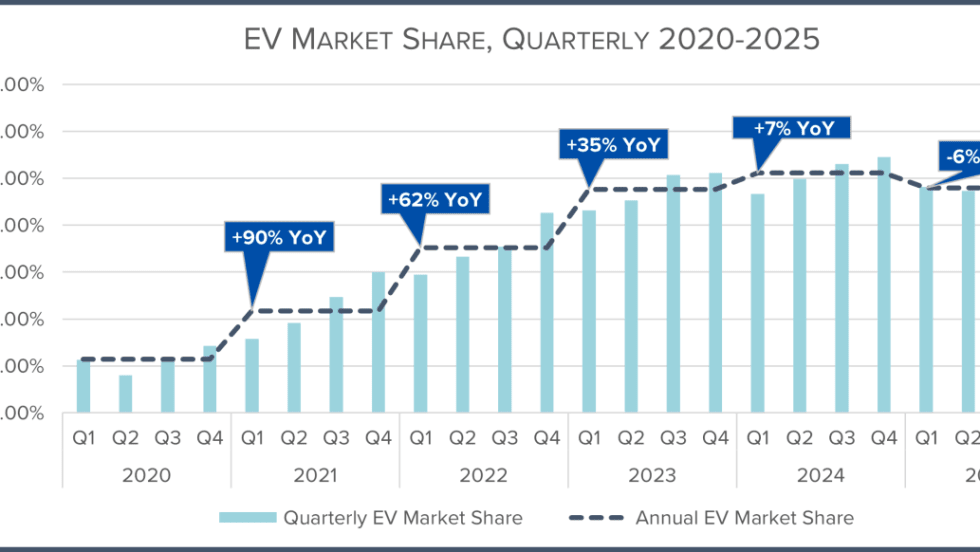
California, as usual, led the country in EV registrations in the fourth quarter, but the U.S. as a whole saw a 43% year-over-year volume decrease.
Read More →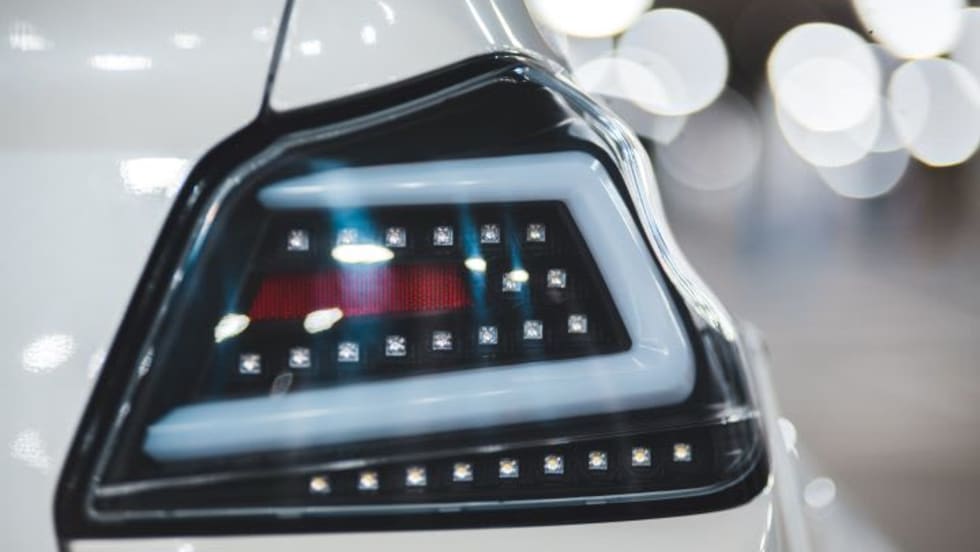
Forecasts show that the spring sales season is rising above overriding economic concerns, among them continuously rising car prices, trade tariffs, elevated interest rates, and now a war.
Read More →
The Kerrigan Index shows that despite a chaotic year of musical trade tariffs, high vehicle prices and more roadblocks, acquirers still flush with pandemic-era cash accelerated the consolidation pace.
Read More →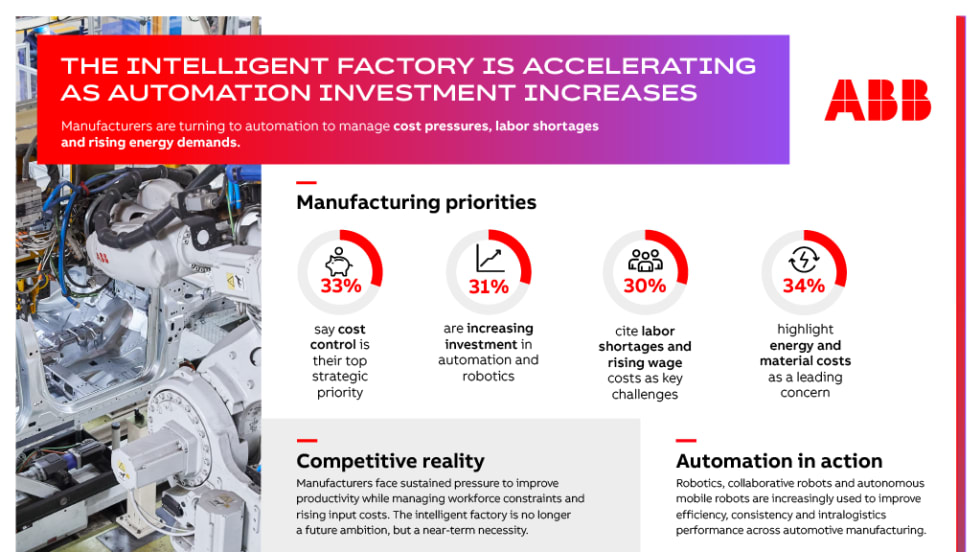
Labor shortages, material costs and tariffs are just a few of the reasons automakers are looking to expand their investments in automation and robotics this year.
Read More →
The Middle East imports a sizable share of vehicles made in the states. It’s unclear how the Iran War could affect the keystone market for U.S. automakers.
Read More →
Auto dealers don’t have to settle for high employee turnover. Despite historical patterns of rotating dealership doors, they can tweak their processes to find and keep the right people on staff.
Read More →
New-vehicle sales fell year-over-year for the fifth month in a row in February, making retail deliveries the slowest they’ve been since 2023, according to a CarGurus report.
Read More →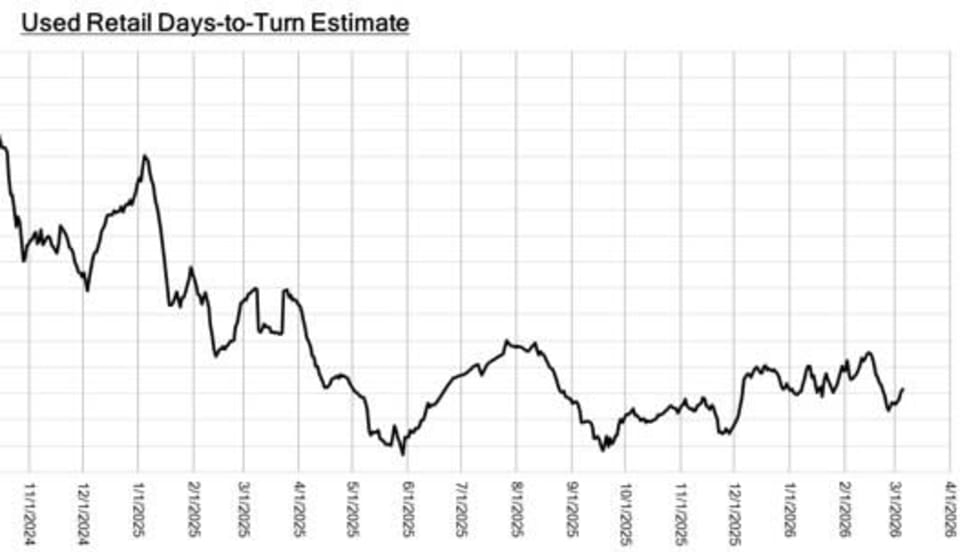
Both vehicle values and conversion rates sped up last week as two segments outperformed in the pre-spring burst of buying.
Read More →