




WASHINGTON – Lending to the nation’s 17,000 franchised dealers to purchase new- and used-vehicle inventory continues to lag, making it a top issue for the National Automobile Dealers Association (NADA). The dealer association said that a hearing on Feb. 25 by the Congressional Oversight Panel on the Troubled Asset Relief Program (TARP) highlights the ongoing need to provide more liquidity for auto business lending. “This hearing underscores a much larger problem: lenders are still too often unwilling to lend to auto dealers to buy cars and trucks for sale to their customers,” said Andy Koblenz, NADA vice president for legal and regulatory affairs. During the hearing, Ron Bloom, from President Obama’s Automotive Task Force, emphasized the need for action saying that the future of the U.S. auto industry hinges on the ability of policy makers to restore the free flow of credit to auto retailers and car buyers. “By extending the Federal Reserve’s successful Term Asset-Backed Securities Loan Facility (TALF) and expanding the government’s small business loan guarantee programs, we create the best environment for banks and finance companies to be comfortable lending to dealers again,” Koblenz said. Utilizing TARP, the Fed created TALF to jump-start and return the secondary loan market, where lenders’ loans are bundled and sold, to a sustainable level so lenders can move loans off their books and access more funds to make additional loans. In a Feb. 24 meeting with the Federal Reserve Bank of New York, Koblenz outlined the need to continue TALF for wholesale or floorplan loans past the program’s March deadline. TALF has been successful in getting consumer credit transactions moving again. Credit cards, consumer vehicle loans and home mortgages, among others, have rebounded. Yet, wholesale credit for dealers is still “stymied” for some reason, Koblenz added. “It doesn’t make sense; floorplan credit is traditionally one of the lowest risk loans a lender can make,” Koblenz said. The Fed meeting is part of a two-pronged approach by NADA: In addition to its TALF efforts, the other is to boost lender interest in government-backed loans. Already successful in lifting an outdated ban on floorplan lending guarantees by the Small Business Administration (SBA), NADA is urging Congress to increase the amount of funds that the government will guarantee. “With dealers holding on average $5 million in inventory at any one time, the $2 million loan limit for SBA-guaranteed loans simply isn’t enough,” Koblenz added. “Only Congress can increase these limits.” Koblenz said that SBA’s Dealer Floor Plan Financing Program — pushed for by NADA and created by the Obama administration — is the right idea, but banks haven’t warmed to it. Unfortunately for many dealers, even as access to credit improves, the temporary pilot program is slated to end Sept. 30. “Extending the SBA program, increasing the loan guarantee limits, making other program adjustments and continuing the TALF program specifically for floorplan securitizations should give lenders the comfort to offer floorplan lines of credit,” Koblenz said.
NADA Pushes for More Lending in Wholesale Auto Credit Market
More Industry

Fake Auto Dealer Websites Frauding Consumers
The Point Predictive study traced a pattern across more than 100 websites it believes are being developed by an international theft ring.
Read More →
One of Earliest U.S. Auto Dealers Exits
The sale of two Minnesota franchises ends a rare multigenerational business while adding to one of the Midwest’s biggest auto groups.
Read More →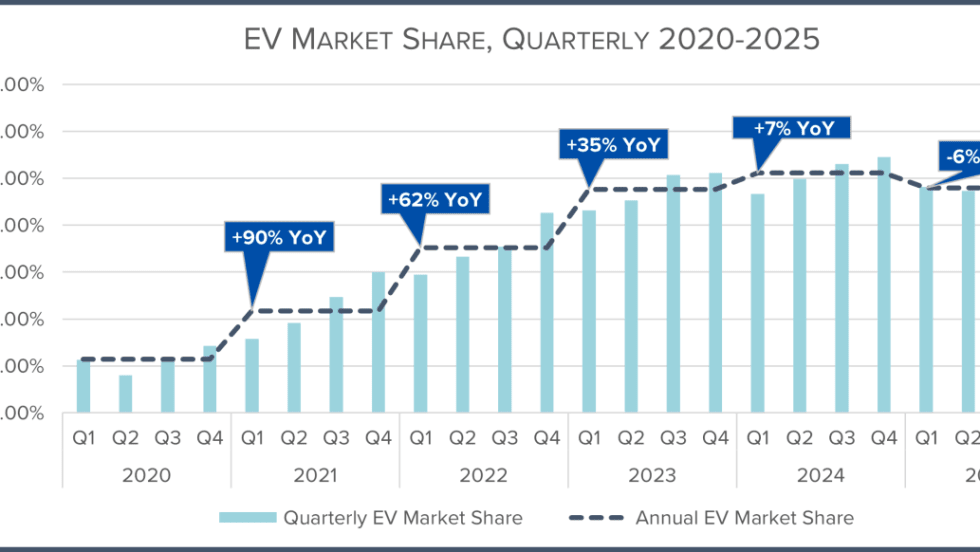
EV Sales Slide While Hybrids Climb
California, as usual, led the country in EV registrations in the fourth quarter, but the U.S. as a whole saw a 43% year-over-year volume decrease.
Read More →
New-Vehicle Sales Ride Tax Returns Wave
Forecasts show that the spring sales season is rising above overriding economic concerns, among them continuously rising car prices, trade tariffs, elevated interest rates, and now a war.
Read More →
2025 Dealership Buy-Sells a Record
The Kerrigan Index shows that despite a chaotic year of musical trade tariffs, high vehicle prices and more roadblocks, acquirers still flush with pandemic-era cash accelerated the consolidation pace.
Read More →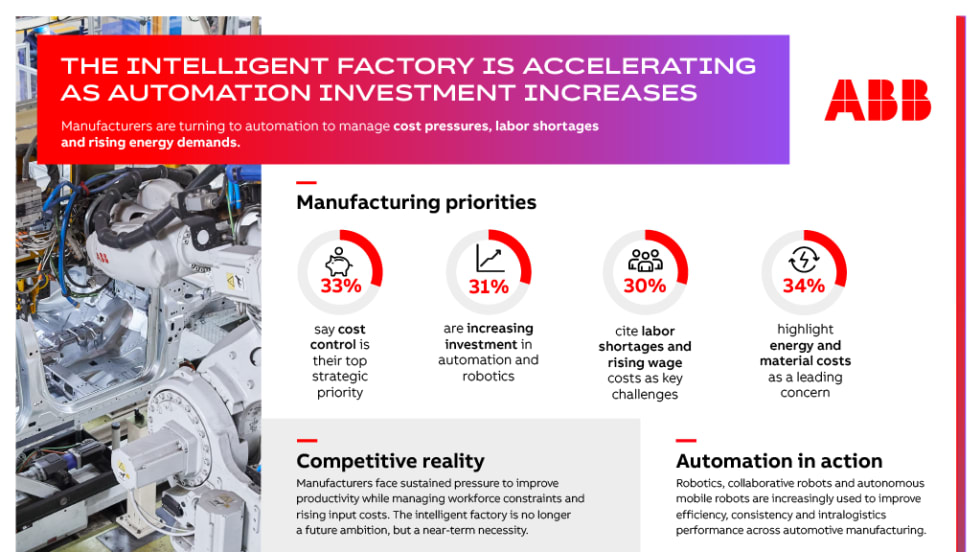
Automation Acceleration Seen in Manufacturing
Labor shortages, material costs and tariffs are just a few of the reasons automakers are looking to expand their investments in automation and robotics this year.
Read More →
War Threatens Major U.S. Auto Exports Stream
The Middle East imports a sizable share of vehicles made in the states. It’s unclear how the Iran War could affect the keystone market for U.S. automakers.
Read More →
Hiring That Sticks
Auto dealers don’t have to settle for high employee turnover. Despite historical patterns of rotating dealership doors, they can tweak their processes to find and keep the right people on staff.
Read More →
Used Market Gains Speed
New-vehicle sales fell year-over-year for the fifth month in a row in February, making retail deliveries the slowest they’ve been since 2023, according to a CarGurus report.
Read More →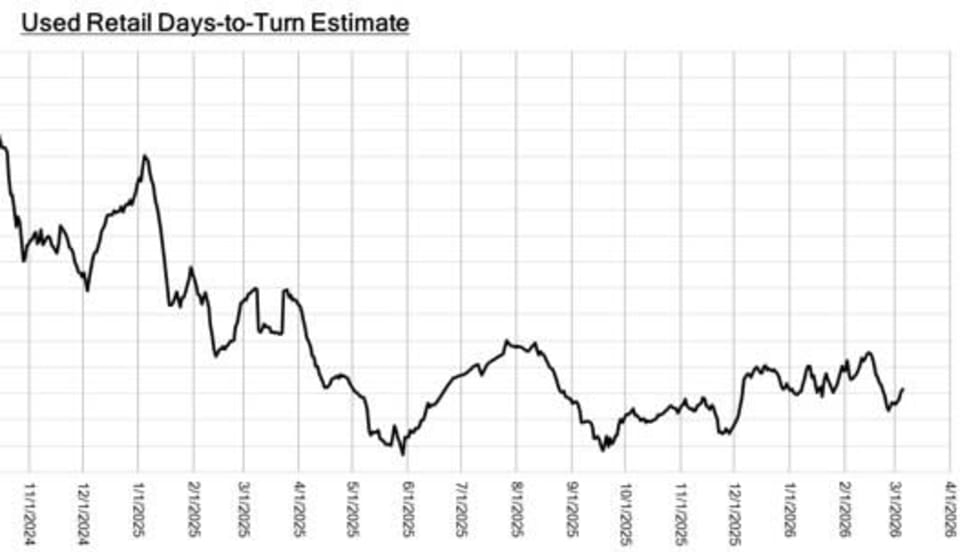
Black Book: Weekly Market Update
Both vehicle values and conversion rates sped up last week as two segments outperformed in the pre-spring burst of buying.
Read More →