



World EV Sales Up
Most regions see first-quarter growth, though trade war, reduced incentives likely to slow adoption.
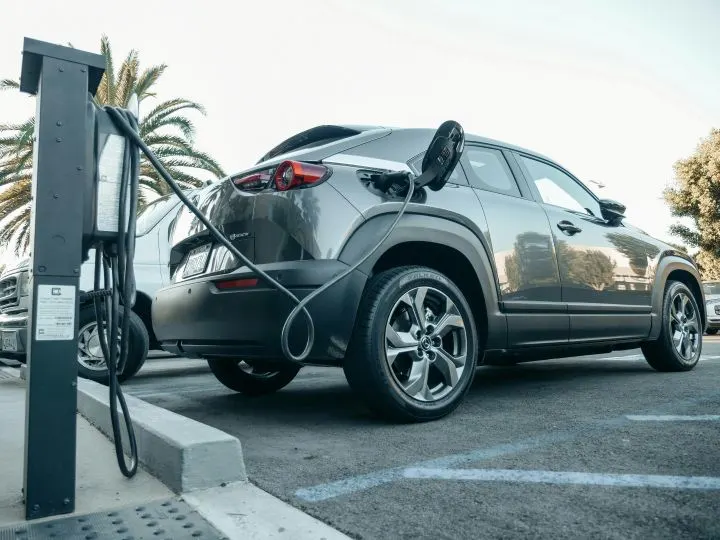
First-quarter EV sales in North America rose 16% to half a million, though tariffs and tax break elimination would curb growth.
Pexels/Kindel Media
Global electric-vehicle sales jumped in the first quarter, though market analysts expect the growth to slacken as a trade war and reduced incentives are poised to dampen sales.
EV deliveries surged 29% year-over-year to four million, according to data by EV and battery research provider Rho Motion. The growth was led by China, which saw a 36% uptick to 2.4 million.
Meanwhile, EV sales in North America rose 16% to half a million. And though about three-fifths of EVs sold in the states are made there, U.S. trade tariffs will likely increase prices of both EVs and gas-powered models, said Rho Motion, which indicated that most of the remaining U.S.-sold EVs are made in Japan, Korea and Mexico.
President Donald Trump signaled on Monday that he’s considering giving automakers a break on 25% auto import tariffs to give them more time to transition overseas production to the U.S.
But it remains to be seen how the many trade permutations the White House has introduced over the past six weeks would ultimately gel into a long-term policy. The administration also recently stopped providing EV charger development funding to states and aims to eliminate federal tax breaks for EV purchases and leases.
“This quarter, while turbulent, has seen a strong rate of growth globally for the EV market,” said Rho Motion Data Manager Charles Lester.
“What is sure is that the electric vehicle market is already struggling to compete with ICE on cost, so reductions in subsidies and hefty tariffs for a very international supply chain are guaranteed to have a cooling effect on the industry.”
Many European countries saw sharp upsurges in EV adoption in the quarter, the company observed. Germany’s sales grew 37%, Italy’s 64% and the United Kingdom’s 42%. France, though, has ended government incentives for EV purchases and consequently saw an 18% drop in sales, Rho Motion said.
LEARN MORE: EV Owners Stay Loyal to the Segment
Originally posted on F&I and Showroom
More Industry

Penske Auto Group Deal a Record
The deal to take the dealership and transportation services company private sets a new pace for industry buy-sell transactions.
Read More →
War Toll a Damper on Used Auto Prices
Cox Automotive found wholesale depreciation to be elevated in September amid high fuel prices and this year's unusual hurricane season.
Read More →
Bridge the Maintenance Gap
With many drivers missing recommended maintenance, service departments offering transparency and efficiency have a better chance of reaching financially strained consumers.
Read More →
California Store Has New Owner
The longtime dealership in the northern part of the state is known for robust fleet sales and has served the state capital for 115 years.
Read More →
BMW Plant Pursues Cleaner Energy
BMW Group Plant Leipzig has utilized hydrogen to help power its production since 2013, but a new pipeline is planned to take it to another level.
Read More →
Auto Affordability Inches Up
The latest Cox Automotive and Moody’s Analytics index shows a slight increase in new-vehicle affordability despite high prices.
Read More →
Ohio Auto Group Under New Ownership
After 79 years with the Schluter family, Mansfield Auto Group has been acquired by Missouri-based Clement Auto Group.
Read More →
RV Group Expands Carolina Footprint
Blue Compass RV Columbia Northeast is the 13th RV dealership owned by Blue Compass in the Carolinas.
Read More →
Agent Acumen
An Agent Summit panel of people who’ve been supporting auto dealers for years gave both timely and timeless advice for those starting out or mulling the prospect.
Read More →
Missed Maintenance Creates Opportunity
As families get back on the road and into daily school routines, service drives have an opportunity to capture customers who are behind on recommended vehicle maintenance.
Read More →