



Used, New Vehicle Prices Still Up
Demand, despite market pressures, remains elevated, keeping supply tighter.


With used-vehicle inventory still tight, days-on-market fell 4% month-over-month in March.
IMAGE: Pixabay
Though new-vehicle inventory has increased this year as supply-chain problems have started to ease, the full picture is more complicated, as a recent CarGurus report explains.
Despite the pressure of steadily increasing interest rates, seasonal consumer demand remained robust in March, CarGurus said, helping to keep prices up despite improving inventory.
Prices of new and used models were up for the month, the report said, despite a 92% annual increase in new-vehicle inventory, which CarGurus said was up 5% month-over-month.
The average listing price of used vehicles rose nearly 3% month-over-month to $30,300. That was still 5.4% under a year earlier. Meanwhile, average new-vehicle prices increased 1% month-over-month to $51,000, 7.3% above year-earlier prices.
“While consumers are navigating unique challenges this year, including rising interest rates and ongoing supply limitations, seasonal demand in both the new and used segments has remained strong,” said CarGurus Director of Industry Insights and Analytics Kevin Roberts said in the report.
“Notably, there is hope for a future reprieve on pricing. With fleet sales expected to have largely influenced year-over-year new vehicle demand increases, we’re hoping to see more production of lower priced vehicles in the coming months to balance vehicle supply.”
Used-vehicle inventory actually was still tight, the report indicated, down 15.2% year-over-year and 0.5% month-over-month. Consequently, days-on-market fell 4% month-over-month.
Prices for used vehicles reflected the supply realities, though used electric models were among the top six with the biggest price declines. The report said Tesla, Rivian and BMW EV models’ prices had fallen up to 33% since July.
For new models, days-on-market were actually on the rise, up 42.4% year-over-year, though still 33% under pre-COVID levels, thus the continued scarcity of incentives for consumers. Buyer demand for new vehicles rose with the season, up 15.4% month-over-month and nearly 7% year-over-year.
Originally posted on Auto Dealer Today
More Industry

Auto Legends to Hall of Fame
Les Kelley of Kelley Blue Book fame and Rodney O’Neal, a transformative Delphi executive, are among a new class of five industry honorees.
Read More →
Powertrain Attitudes Divided
Common misconceptions shape car buyers’ attitudes toward the different options, giving dealerships an opportunity to educate and build trust with customers.
Read More →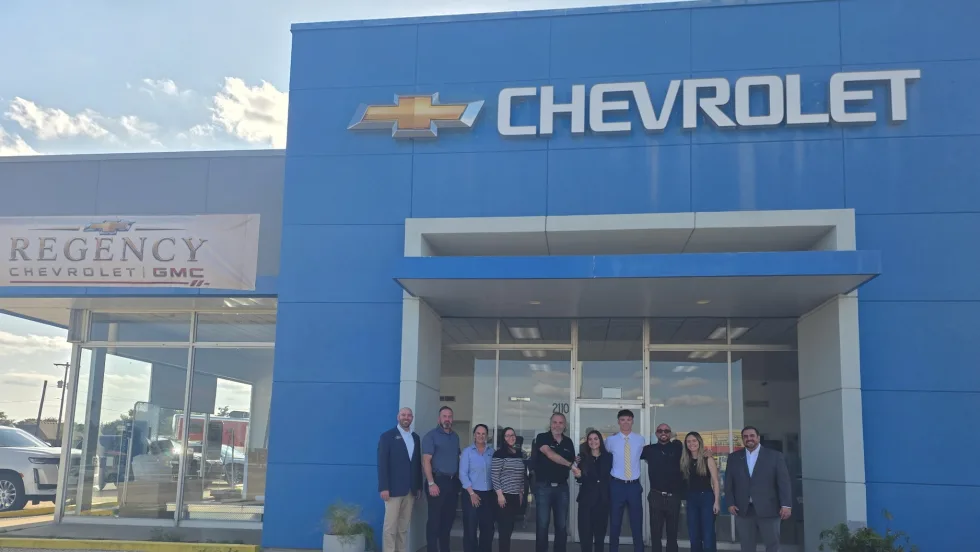
Auto Group Exits U.S. Market
Sibling duo Gesell and Johnny Lillard enter Texas franchised automotive retail with the purchase of Solana Motors in Brady, Texas.
Read More →
California Calling? What's Up With the State's New CARS Act?
Should auto dealers outside of California be concerned about its new price-transparency law? Yes, and you can guide them in the right direction.
Read More →
Tennessee Transaction Latest in Buy-Sell Flurry
Four stores move from a longtime local family business to one of the country’s biggest automotive groups as part of the industry’s continued consolidation.
Read More →
SUV Joins Safety Rankings
Thanks to a seat belt redesign, the Nissan Kicks has earned a Top Safety Pick award from the Insurance Institute for Highway Safety.
Read More →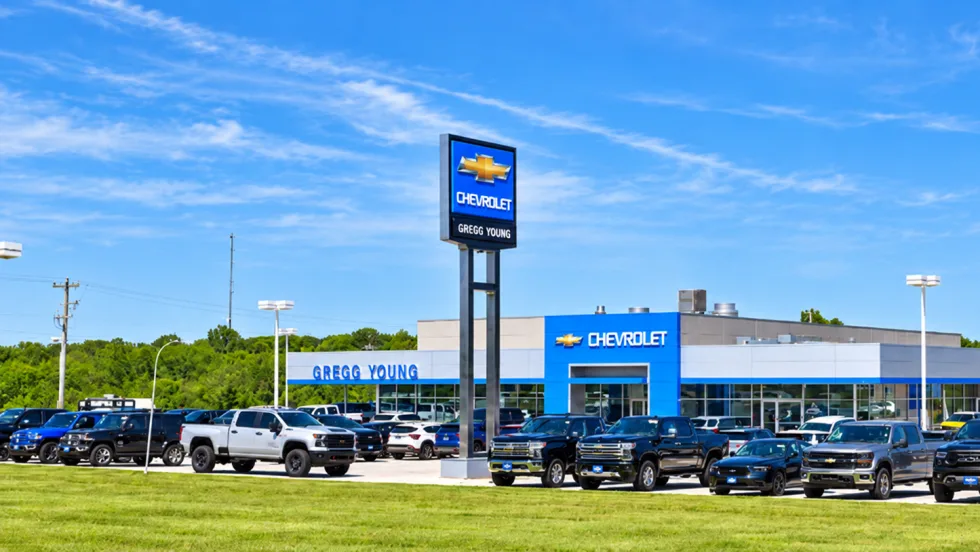
Nebraska Rooftop Changes Hands
The Gregg Young Automotive Group has sold its second dealership to Janssen Auto Group, both in Plattsmouth, Neb.
Read More →
Penske Auto Group Deal a Record
The deal to take the dealership and transportation services company private sets a new pace for industry buy-sell transactions.
Read More →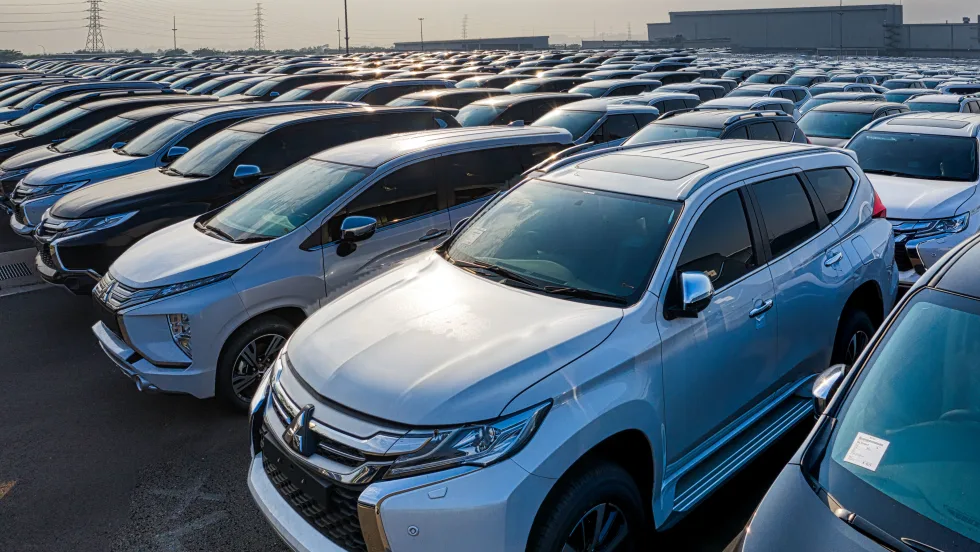
War Toll a Damper on Used Auto Prices
Cox Automotive found wholesale depreciation to be elevated in September amid high fuel prices and this year's unusual hurricane season.
Read More →
Bridge the Maintenance Gap
With many drivers missing recommended maintenance, service departments offering transparency and efficiency have a better chance of reaching financially strained consumers.
Read More →