



U.S. Retail Sales Increase in August
The U.S. Commerce department reported the uptick of 0.7% in retail sales.


The U.S. Commerce department reported the uptick of 0.7% in retail sales.
Back to school shopping and child tax credit payments pushed U.S. retail sales up in August.
The U.S. Commerce department reported the uptick of 0.7% in retail sales. The organization attributed the increase to a surge in online sales, which offset a decline in sales at auto dealerships. Auto sales tumbled 3.6% after declining 4.6% in July, while online retail sales grew 5.3% after dropping 4.6% in July.
Clothing sales increased 0.1% last month. Building material and furniture stores also saw gains.
“U.S. consumption is not slowing as quickly as it appeared a month ago despite the fading stimulus, and the Delta variant did not much affect the industries feeding into retail sales,” said Chris Low, chief economist at FHN Financial in New York. “The economy continued to hum in August.”
Still, the slump in automotive sales has economists downgrading their gross domestic profit estimates for the third quarter. The slump is sales, though, is not from declining consumer confidence but an acute inventory shortage and rising COVID-19 infections.
August may be up but data but the Commerce Department revised data for July downward to show retail sales declining 1.8% instead of 1.1% as previously reported.
Total sales are up 15.1% from a year ago and are 17.7% above their pre-pandemic level.
Consumer spending is also changing. Consumers shifting expendable income back to services like travel and entertainment. Retail sales represent mostly goods. But services such as healthcare, education, travel and lodging represent the rest of consumer spending.
School districts started the 2021-2022 academic year in August and early September, with most resuming in-person learning. At the same time, qualifying households started receiving money under the expanded child tax credit program, which continues until December.
Not every industry saw improvements. Electronics and appliance sales fell 3.1%. Sporting goods, hobby, musical instrument and bookstore sales also fell.
Business at restaurants and bars remained flat amid Delta variant fears. Restaurants and bars are the only services category in the retail sales report.
When sales of automobiles, gasoline, building materials and food services are excluded, retail sales rebounded 2.5% last month.
Americans’ savings are higher than ever due to $2.5 trillion in excess savings accumulated during the pandemic. Wages are skyrocketing as companies pay more to fill a record 10.9 million job openings.
The Labor Department reported initial claims for state jobless benefits rose 20,000 to a seasonally adjusted 332,000 for the week ended Sept. 11.
The number of people who continue to receive benefits fell 187,000 to 2.665 million in the week ended Sept. 4, the lowest since mid-March 2020. Experts predict the expiration of federal government-funded benefits also will boost the labor pool.
The Philadelphia Federal Reserve showed its business activity index rose to 30.7 in September from 19.4 in August. An index rating higher than zero indicates growth in manufacturing in eastern Pennsylvania, southern New Jersey and Delaware.
Manufacturers reported a moderation in input prices, which fits with recent data that shows inflation has probably peaked. Companies also increased hours for workers as they struggled to fill jobs.
Economists have slashed their GDP growth estimates, citing tanking motor vehicle sales and inventory struggles.
JPMorgan had trimmed its third-quarter GDP growth forecast to a 5.0% annualized rate to 7.0%. The Federal Reserve’s “Beige Book” reports “economic growth downshifted slightly to a moderate pace in early July through August.”
But after retail sales report came out, Morgan Stanley economists raised their third-quarter GDP growth estimate to a 5.0% rate from a 3.3% pace. And Goldman Sachs raised its forecast to a 4.5% pace from a 3.5% rate, having lowered it to a 5.25% pace earlier in September.
Originally posted on Auto Dealer Today
More Sales

September Payments Reach New Heights
Despite lower interest rates and longer loan terms, the average new-vehicle monthly payment continues to climb, and transaction prices remain high.
Read More →
Used Lots Getting the Business
Many consumers are seeking out the units to save money, and the demand – higher in July than normal – is keeping supply limited and prices up.
Read More →
Two Kinds of Agents and the 5 Ps That Separate Them
Follow these key guidelines to distinguish your agency from competitors by adding more value to your dealer clients' businesses.
Read More →
Positive Equity Reaches Record High
Mainstream vehicle owners who bought a car seven years ago are likely to have positive equity when trading in for a new vehicle, according to second-quarter Edmunds data.
Read More →
Used Market Stabilizes
The Carfax Used Car Index noted a major drop in used-vehicle price increases in July after several months of hikes.
Read More →
July Auto Sales Simmer
Deliveries were up modestly from a year ago despite still-high prices as OEMs offered more incentives and loan rates eased somewhat.
Read More →
Used Sales Hit Summer Drag
The vacation season, combined with high prices, has dented deliveries and added to inventories, though supply is still slim enough to keep listings elevated.
Read More →
June Automotive Boon?
A forecast for this month’s new-vehicle sales tells a familiar 2026 story: Year-over-year comparisons must be made in light of last year’s aberrations.
Read More →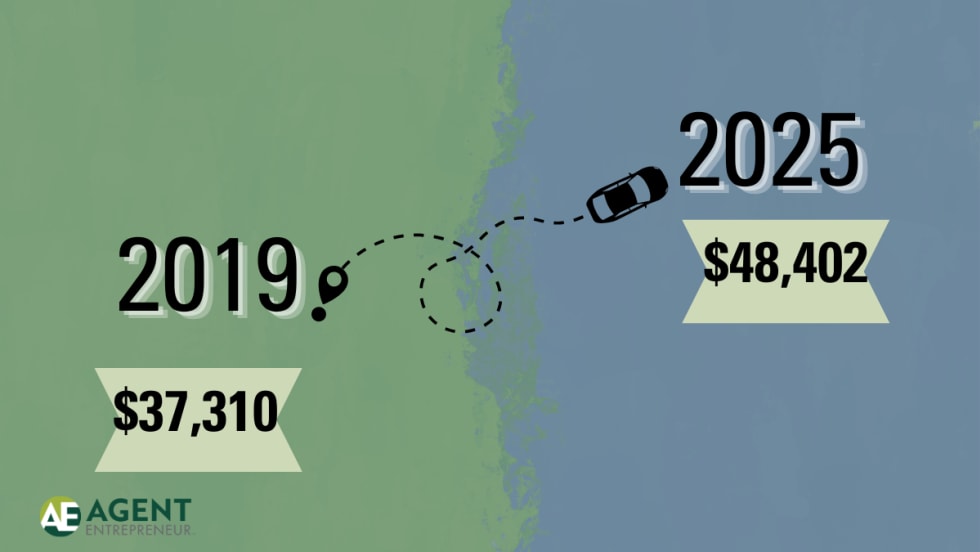
Affordable New Cars a Thing of the Past
More than one out of five new vehicles sell for more than $60,000, according to Edmunds. That's up 7% compared to prepandemic 2019.
Read More →
Legacy Automakers Risk Falling Behind
As legacy automakers, mostly in the U.S. and Japan, have revised their 2030 electric-vehicle sales targets and shifted to a hybrid focus, they risk falling behind new market leaders.
Read More →