



U.S. EV Sales Spiked in 2022
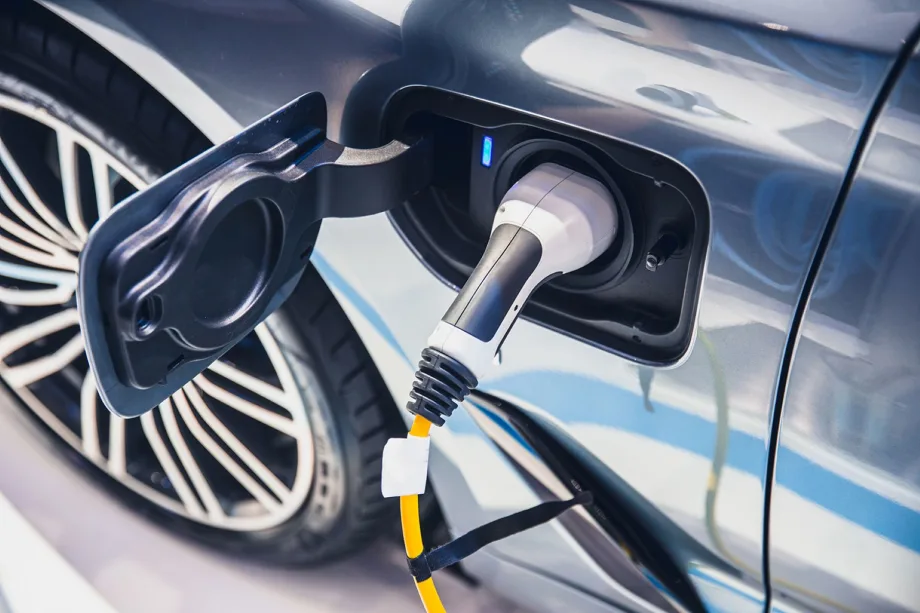
U.S. electric vehicle purchases climbed to 5.8% of all vehicles sold in 2022, up from 3.2% in 2021, according to Motor Intelligence.

U.S. electric vehicle purchases climbed to 5.8% of all vehicles sold in 2022, up from 3.2% in 2021, according to Motor Intelligence.
IMAGE: Getty Images
U.S. electric vehicle purchases climbed to 5.8% of all vehicles sold in 2022, up from 3.2% in 2021, while total vehicle sales fell 8%, according to newly released year-end figures from market-research firm Motor Intelligence.
Tesla is still the 300-pound gorilla in the EV space, accounting for 65% of total sales in 2022, according to Motor Intelligence estimates. However, the figure is down from 72% in 2021, as legacy car companies roll out more EV models.
Ford Motor Co. now sits in the No. 2 position for EV sales, capturing 7.6% of the U.S. market for fully electric vehicles, Motor Intelligence noted. Combined sales for Hyundai and affiliate Kia Corp. put the companies in the third slot at 7.1%.
General Motors Co. EV sales slumped in 2022 after the automaker halted sales of the popular Chevrolet Bolt to fix a battery-cell defect that could cause vehicle fires. Still, GM sales have rebounded since the model returned to the market.
Motor Intelligence data also shows that Volkswagen AG and Nissan Motor Co’s EV sales slipped in 2022.
The numbers highlight that those companies with new EV models are making waves in the EV market. Ford’s F-150 Lightning pickup truck helped drive the company into the No. 2 slot for EV sales.
“All the brand preferences get thrown up in the air,” Ford Chief Executive Jim Farley said of the new market for EV trucks. “If we can be the first, it sets the tone.”
Ford’s new pickup competes with Rivian Automotive’s battery-powered pickup. Rivian’s R1T pickup, R1S sport-utility vehicle and its commercial van captured a 2.6% share of U.S. EV sales last year, with 20,332 delivered, Motor Intelligence data showed.
But as the EV market grew in 2022, so did the obstacles.
Soaring prices for lithium and other battery materials led automakers to raise EV prices, which could price some consumers out of the market. Consumers paid an average $66,000 for an EV compared to $51,000 a year prior, reported J.D. Power in the summer of 2022.
Originally posted on Auto Dealer Today
More Sales
September Payments Reach New Heights
Despite lower interest rates and longer loan terms, the average new-vehicle monthly payment continues to climb, and transaction prices remain high.
Read More →
Used Lots Getting the Business
Many consumers are seeking out the units to save money, and the demand – higher in July than normal – is keeping supply limited and prices up.
Read More →
Two Kinds of Agents and the 5 Ps That Separate Them
Follow these key guidelines to distinguish your agency from competitors by adding more value to your dealer clients' businesses.
Read More →
Positive Equity Reaches Record High
Mainstream vehicle owners who bought a car seven years ago are likely to have positive equity when trading in for a new vehicle, according to second-quarter Edmunds data.
Read More →
Used Market Stabilizes
The Carfax Used Car Index noted a major drop in used-vehicle price increases in July after several months of hikes.
Read More →
July Auto Sales Simmer
Deliveries were up modestly from a year ago despite still-high prices as OEMs offered more incentives and loan rates eased somewhat.
Read More →
Used Sales Hit Summer Drag
The vacation season, combined with high prices, has dented deliveries and added to inventories, though supply is still slim enough to keep listings elevated.
Read More →
June Automotive Boon?
A forecast for this month’s new-vehicle sales tells a familiar 2026 story: Year-over-year comparisons must be made in light of last year’s aberrations.
Read More →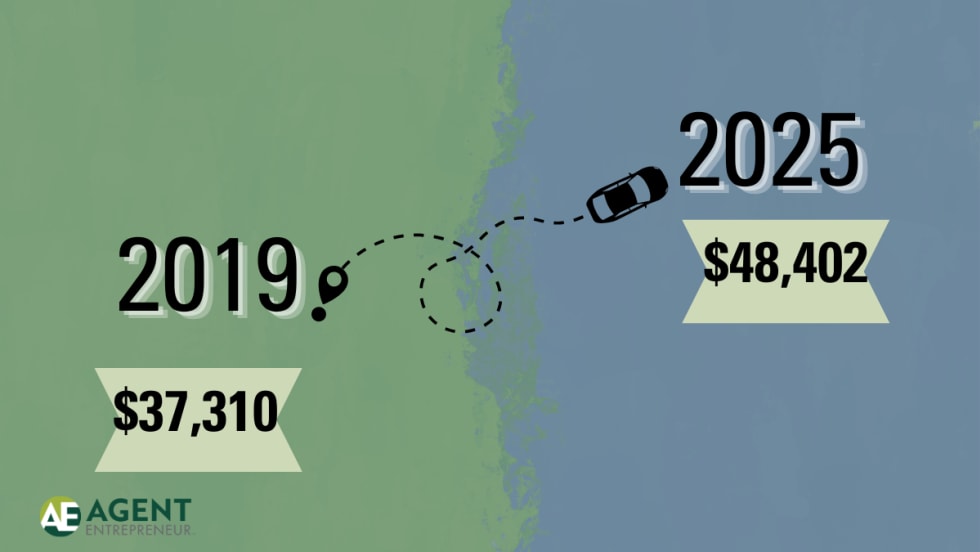
Affordable New Cars a Thing of the Past
More than one out of five new vehicles sell for more than $60,000, according to Edmunds. That's up 7% compared to prepandemic 2019.
Read More →
Legacy Automakers Risk Falling Behind
As legacy automakers, mostly in the U.S. and Japan, have revised their 2030 electric-vehicle sales targets and shifted to a hybrid focus, they risk falling behind new market leaders.
Read More →