



September Payments Reach New Heights
Despite lower interest rates and longer loan terms, the average new-vehicle monthly payment continues to climb, and transaction prices remain high.


Third-quarter sales were projected to reach about 3.5 million units, down 2% year-over-year on the same number of selling days.
Pexels/Erik Mclean
The average new-vehicle monthly finance payment reached $821 in September, up 3% year-over-year and a record for the month, according to a joint forecast by JD Power and GlobalData.
"A key driver of the higher monthly payment, despite longer loan terms, is lower trade-in equity,” said JD Power President of OEM Ssolutions Thomas King.
“Many buyers returning to showrooms today purchased when prices were at their peak several years ago, when inventory was scarce.”
Twenty-nine percent of car buyers had trade-ins with negative equity, and in an effort to manage monthly payments 14% of loans had terms 84 months or longer, a two percentage point increase year-over-year.
Some relief was found as the average new-vehicle loan interest rate dropped four basis points to about 6.7%, but JD Power pointed out that wasn’t enough to offset the aforementioned persistent affordability challenges.
The average retail transaction price was flat at $45,915.
Total new-vehicle retail sales for September were projected to be flat at 1.1 million units with a seasonally adjusted annual rate of 13.9 million units, also flat compared to last year.
For the third quarter, sales were projected to reach about 3.5 million units, down 2% year-over-year on the same number of selling days.
As for powertrain mix, internal combustion engine sales rose nearly 4%, holding the majority share at nearly 74%. But hybrids continued to gain popularity, taking 17% of market share, up 3.5% year-over-year.
Electric-vehicle share dropped 6.5%, but the year-over-year comparison is skewed as buyers rushed to purchase last year before the end of the federal EV tax credit.
More Sales
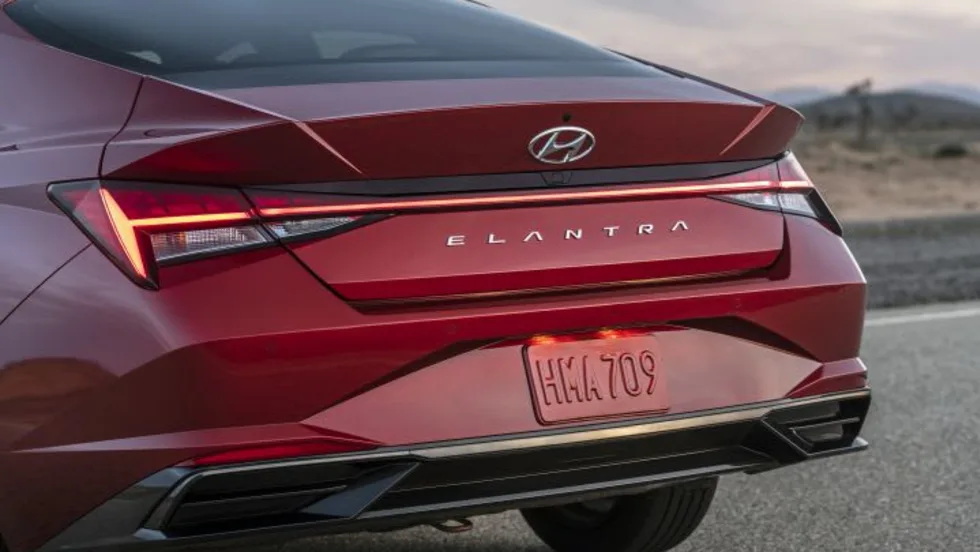
Used Lots Getting the Business
Many consumers are seeking out the units to save money, and the demand – higher in July than normal – is keeping supply limited and prices up.
Read More →
Two Kinds of Agents and the 5 Ps That Separate Them
Follow these key guidelines to distinguish your agency from competitors by adding more value to your dealer clients' businesses.
Read More →
Positive Equity Reaches Record High
Mainstream vehicle owners who bought a car seven years ago are likely to have positive equity when trading in for a new vehicle, according to second-quarter Edmunds data.
Read More →
Used Market Stabilizes
The Carfax Used Car Index noted a major drop in used-vehicle price increases in July after several months of hikes.
Read More →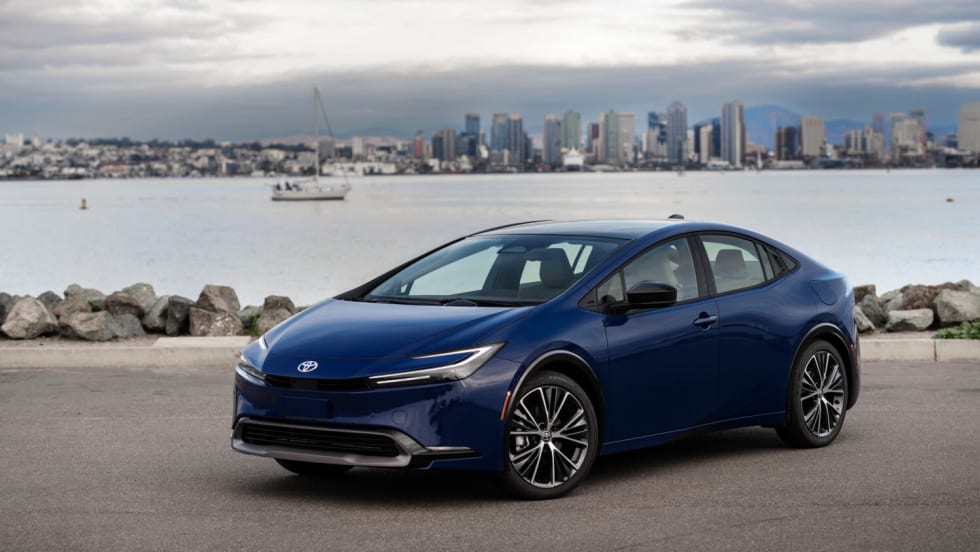
July Auto Sales Simmer
Deliveries were up modestly from a year ago despite still-high prices as OEMs offered more incentives and loan rates eased somewhat.
Read More →
Used Sales Hit Summer Drag
The vacation season, combined with high prices, has dented deliveries and added to inventories, though supply is still slim enough to keep listings elevated.
Read More →
June Automotive Boon?
A forecast for this month’s new-vehicle sales tells a familiar 2026 story: Year-over-year comparisons must be made in light of last year’s aberrations.
Read More →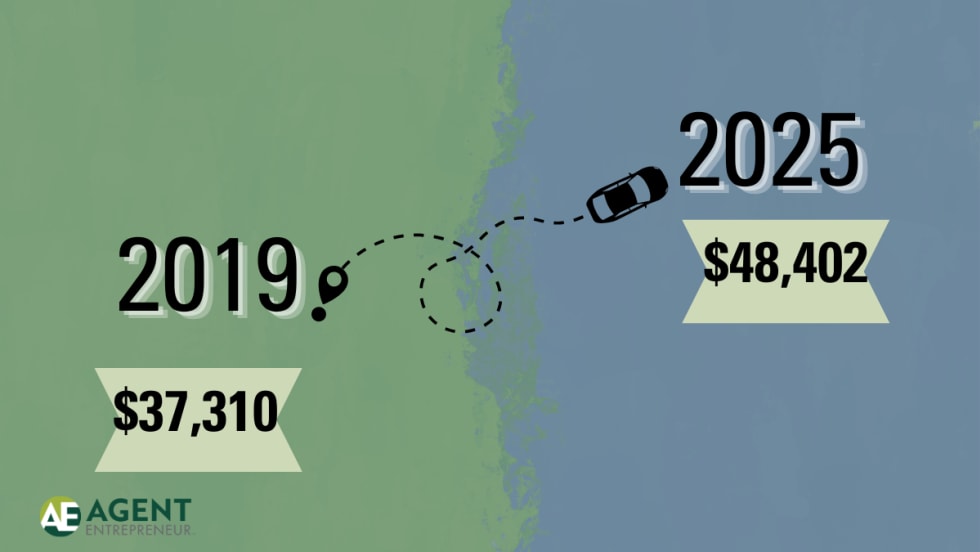
Affordable New Cars a Thing of the Past
More than one out of five new vehicles sell for more than $60,000, according to Edmunds. That's up 7% compared to prepandemic 2019.
Read More →
Legacy Automakers Risk Falling Behind
As legacy automakers, mostly in the U.S. and Japan, have revised their 2030 electric-vehicle sales targets and shifted to a hybrid focus, they risk falling behind new market leaders.
Read More →
New Cars a Tad More Affordable
May averages show that combined circumstances gave auto consumers slightly better buying power for the month, though average prices were up year-over-year.
Read More →