



Toyota Wins First Case Over Sudden Acceleration

A federal jury found Friday that Toyota Motor Corp. isn't responsible for a 2005 crash that the driver blamed on the floor mat or the electronic throttle, in the first case to go to trial since auto maker recalled millions of its vehicles.
After 45 minutes of deliberation, the jury found Toyota wasn't liable for product liability for the Scion's floor mat or for the absence of a system that allows the brake to override the accelerator when both are pressed, reported The Wall Street Journal.
The car's driver, 59-year-old Long Island physician Amir Sitafalwala, contended that defects in the electronic throttle system or the floor mats caused him to suddenly accelerate and crash into a tree. U.S. Magistrate Judge E. Thomas Boyle ruled out evidence about the car's electronics earlier this week.
Mr. Sitafalwala's 2008 lawsuit was the first to go to trial since Toyota recalled millions of vehicles beginning in 2009.
In a written statement, Toyota called the verdict an "early indicator of the strength of the legal theories behind unintended acceleration claims" against it.
Toyota has recalled more than 14 million vehicles globally to fix gas pedals and other safety problems, including more than 2 million that were recalled in February to address accelerator pedals that could become entrapped in floor mats or jammed in driver's side carpeting.
The company paid the U.S. government a record $48.8 million in fines for its handling of three recalls. U.S. regulators said earlier this month that electronic flaws weren't to blame for reports of sudden, unintended acceleration.
Hundreds of claims from around the U.S. related to the recalls have been consolidated under one judge in a U.S. District Court in California.
In December, Toyota agreed to pay $10 million to the family of four people killed in a runaway Lexus crash in California that led to the recalls. Investigators determined that a wrong-size floor mat trapped the accelerator and caused the August 2009 crash.
More Industry
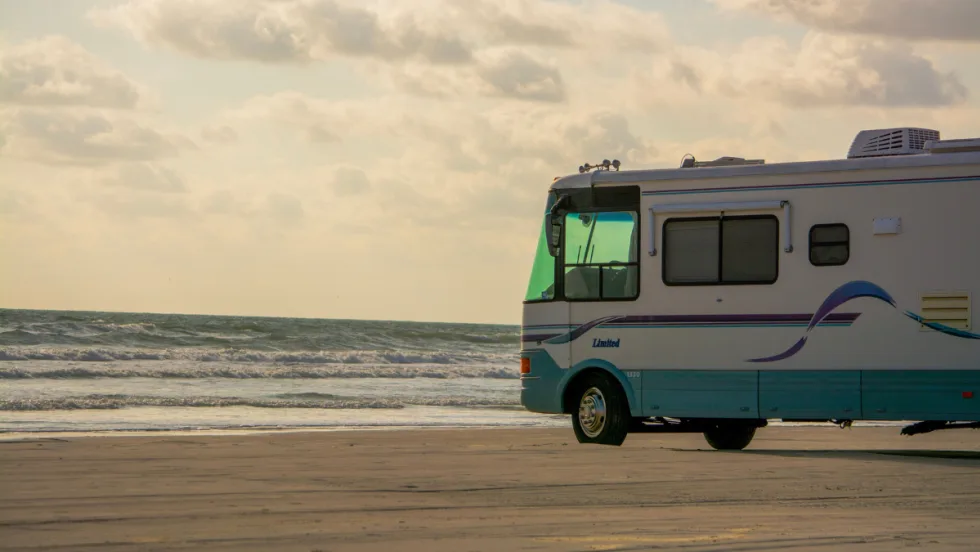
RV Group Expands Carolina Footprint
Blue Compass RV Columbia Northeast is the 13th RV dealership owned by Blue Compass in the Carolinas.
Read More →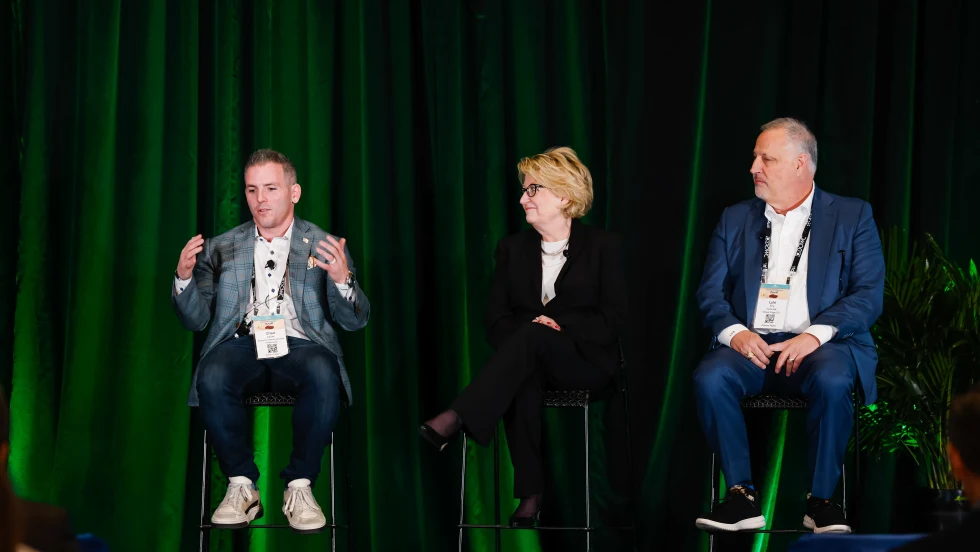
Agent Acumen
An Agent Summit panel of people who’ve been supporting auto dealers for years gave both timely and timeless advice for those starting out or mulling the prospect.
Read More →
Missed Maintenance Creates Opportunity
As families get back on the road and into daily school routines, service drives have an opportunity to capture customers who are behind on recommended vehicle maintenance.
Read More →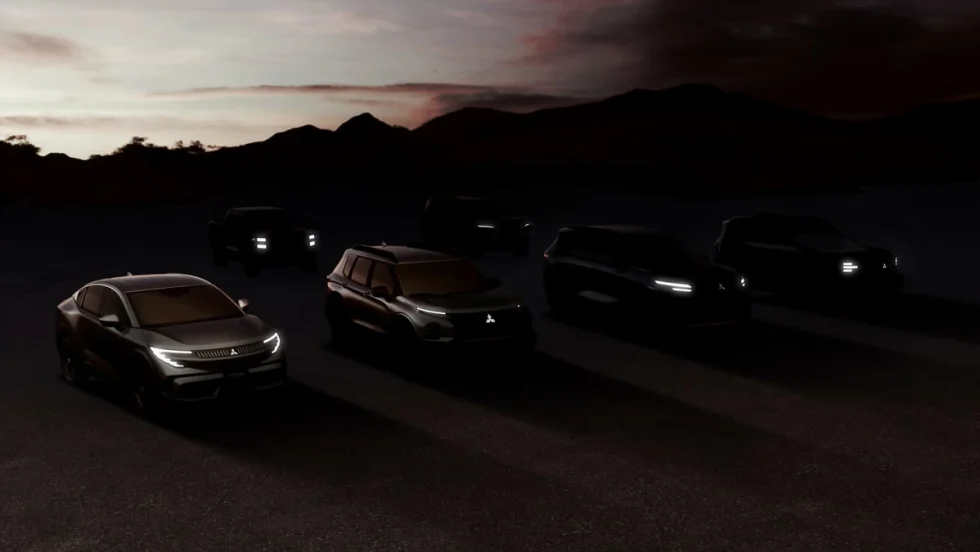
Mitsubishi Unveils U.S. Plan
The automaker announced a strategy that includes an expanded lineup and dealership presence, along with more ‘rugged’ and electric models.
Read More →
Selling to Grow
The question of whether you should sell your agency and if so, when, is up to you. But it’s a question worth asking to ensure you keep the business on the right path for yourself, employees and clients.
Read More →
Recalled Vehicles Hit 5-Year High
Though the number of events has fallen so far this year, impacted units are up significantly. Meanwhile, regulators consider consumer notification changes.
Read More →
Auto Group Acquires Top-Performing Rooftop
Car Pros sold its Kia Huntington Beach location to Sutherlin Automotive Group, marking the buyer’s third location in Southern California.
Read More →
China as Pacesetter
Automotive leaders huddled on where North America stands in the global picture and how it can strengthen its position against the Asian juggernaut’s surging industry.
Read More →
BMW Concept Car Makes Fuel to Burn
The prototype developed in concert with a South Carolina university engineering team generates more solar energy than it uses in a typical daily commute.
Read More →
South Carolina Auto Group Downsizes
Florida-based group Holler-Classic has acquired four rooftops, its first in South Carolina, from Dick Smith Automotive Group.
Read More →