



Toyota, Stellantis Plan to Build North American EV-Battery Factories
Toyota Motor Corp. and Stellantis have announced plans to build battery factories in North America to meet the U.S. government’s push for electric vehicles and the batteries that power them.

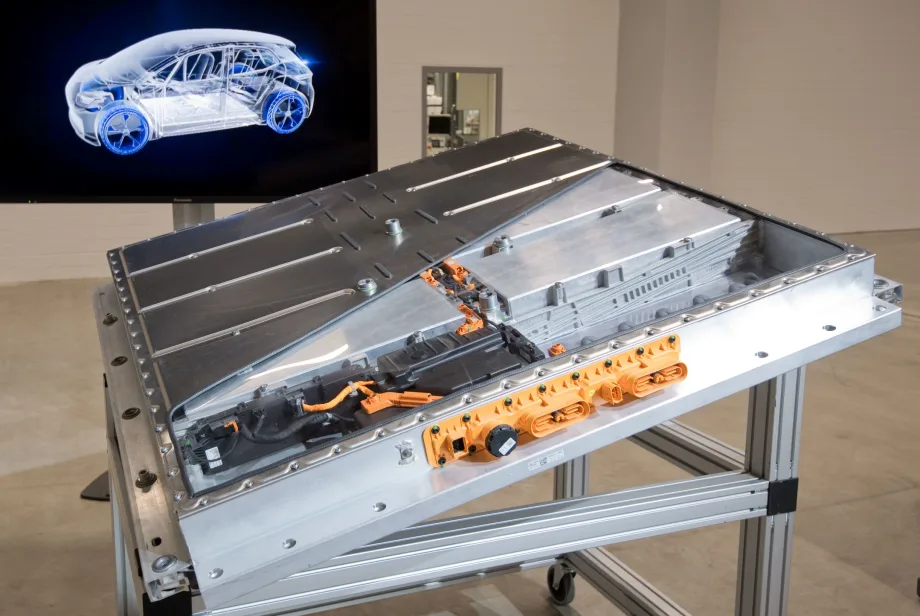
Volkswagen D3-EV battery pack.
Volkswagen
Toyota announced intentions to spend $3.4 billion through 2030 to build electric-car batteries in the U.S. Previously, the automaker announced plans to spend $9 billion to build battery factories around the globe as part of a $13.5 billion battery plan that included research.
Toyota reports its new U.S. battery plant will initially concentrate on producing batteries for hybrid models.
Toyota doesn’t provide a full breakdown on U.S. spending but reported it and an affiliated company will invest $1.29 billion on a new battery plant that will start production in 2025 and create 1,750 new jobs.
Stellantis reported it had partnered with LG Energy Solution, the battery-manufacturing arm of South Korea’s LG conglomerate, to build a factory for lithium-ion batteries in North America. The companies didn’t disclose the size of investment but report the plant will produce batteries with a combined output of up to 40 gigawatt hours, enough to supply hundreds of thousands of EVs.
Most automakers will take two paths to supply EV batteries. Toyota and Ford Motor Co. plan to build EV batteries in-house, while Stellantis and General Motors plan to partner with electronics manufacturers for their batteries.
Toyota plans to sell 25 different EV models by 2025. Currently the automaker does not mass-market EVs in the U.S., but Toyota plans to have its first model ready in 2022. By 2030, Toyota targets selling 2 million EVs a year globally.
In contrast, GM plans to spend $35 billion on EVs and battery plants through 2025, and Stellantis plans to spend $3.5 billion over the same period.
Toyota CEO Akio Toyoda has criticized the push to restrict the sale of gasoline-powered cars, saying the move will cost millions of jobs and put the price of cars out of reach for most buyers. Many car makers and suppliers echo Toyoda’s sentiments.
Toyota predicts most of its vehicles sold in the U.S. will be at least partially powered by gasoline engines. The company believes its hybrid vehicles, which combine an electric motor with a gasoline engine, offer environmental friendliness in an affordable package.
The investment comes as Congress considers proposals to expand incentives to make EVs more affordable. The legislation proposes offering buyers an additional rebate of up to $4,500 for battery-powered models built in the U.S. by unionized labor.
Automakers without unionized workers will not be eligible for the full incentives under the proposed legislation. These automakers have criticized the legislative proposals, saying they put them at a disadvantage.
Originally posted on Auto Dealer Today
More Product & Technology
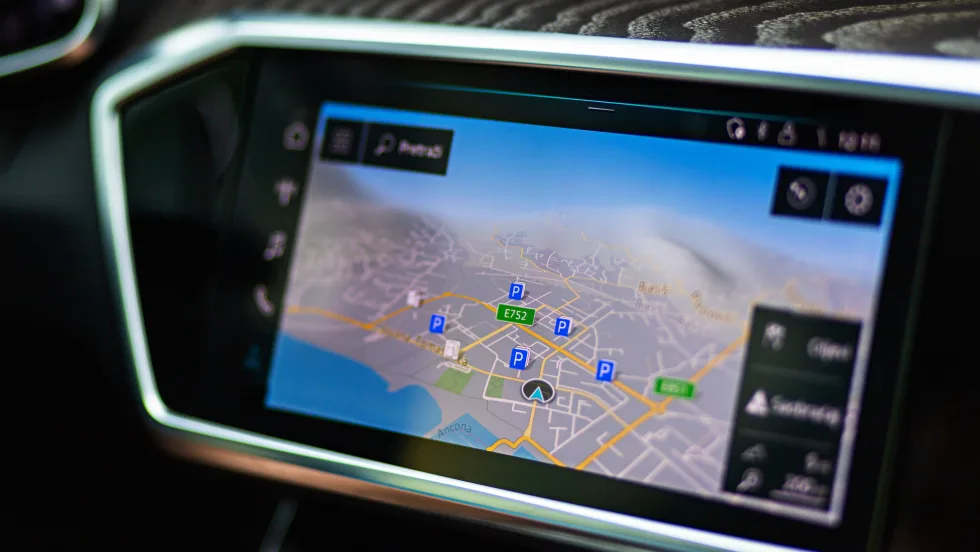
Computer Headaches on the Road
Consumers keep complaining about new cars’ infotainment tech, but are automakers listening? A recent survey shows regression except for mapping and speakers.
Read More →
Another Death Tied to Imported Air Bags
The Texas traffic fatality is the 11th federal regulators have connected to defective inflators imported from China. They urge that a certain population of used vehicles be inspected.
Read More →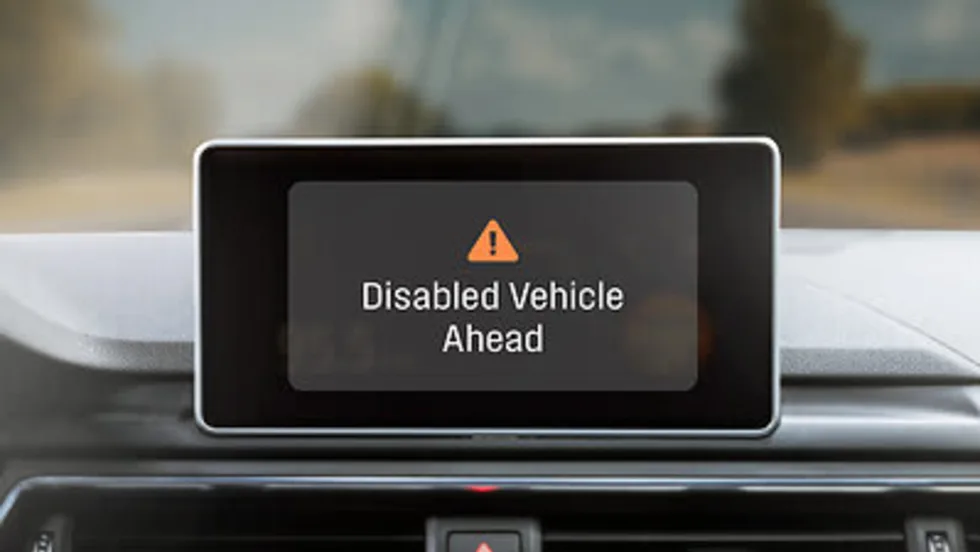
Roadside Warnings Debut
Mazda works with AAA and a technology company to alert passersby to stranded vehicles from its lineup, for both parties’ safety.
Read More →
AI As Trainer?
This month, Agent Entrepreneur Editor Hannah Mitchell shares an artificial-intelligence development that could upend traditional dealership training.
Read More →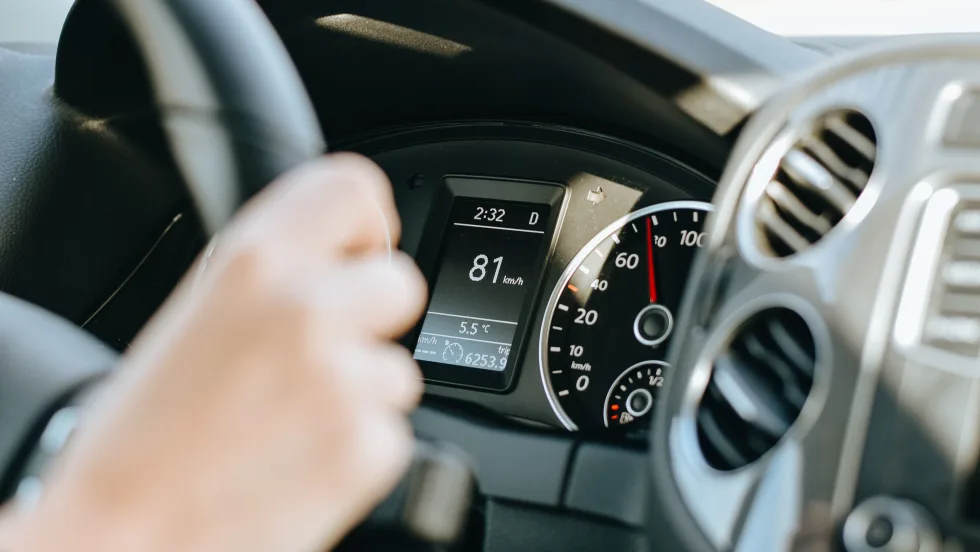
A Lingering Auto Tech Divide
Automakers still struggle to hit consumers’ sweet spot, hanging onto the despised touchscreen and adding other complex systems while simple, effective details hit the mark.
Read More →
AI, China and the Next Wave of Auto Retail Innovation
F&I sits at the center of the changes expected to sweep the industry in just the new few years as new players change the game.
Read More →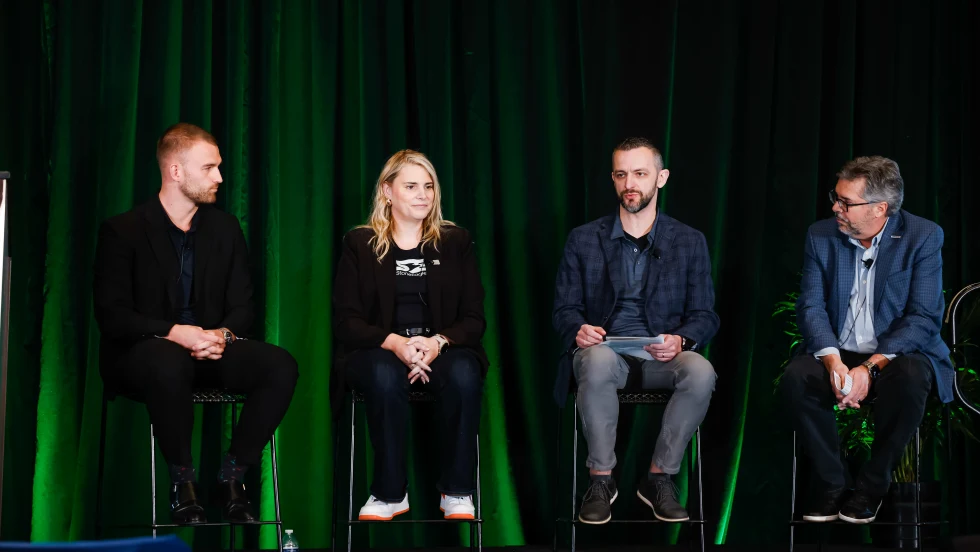
That Bot Can Do a Lot
Artificial intelligence was all the buzz at the 2026 Agent Summit. A panel of tech specialists broke through the noise to give agents guidance on steering dealer clients.
Read More →
Cyber F&I
Your dealer clients could only benefit from showcasing products on their websites along with vehicle inventory. Modern consumers expect to be informed and are more likely to buy products when they are.
Read More →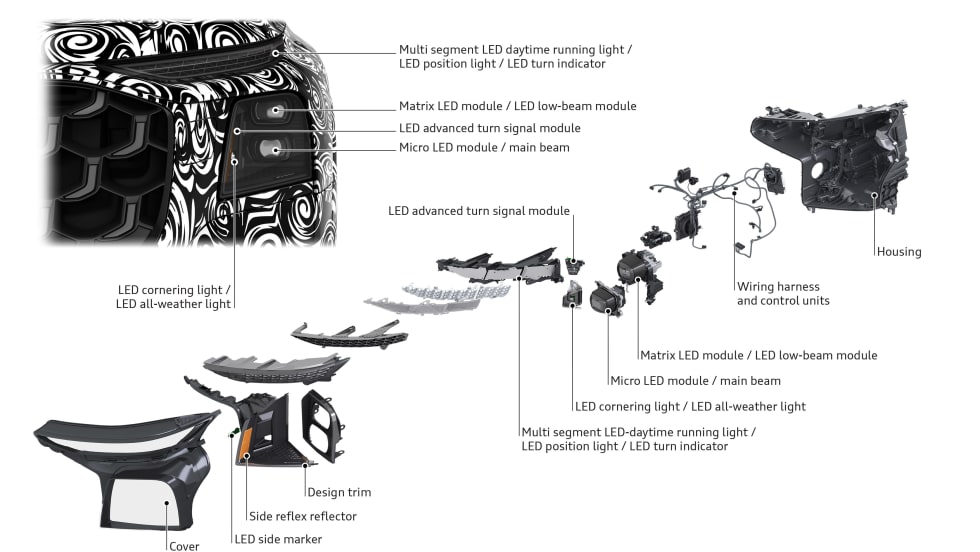
Road Glare to Drop a Notch?
Audi is preparing two SUV models for the American market with the automaker’s adaptive LED headlights. Its technology is designed to reduce brightness for other drivers, a growing complaint among U.S. motorists.
Read More →
AppOne Partners With RouteOne for E-Contracting Solution
By digitizing the entire contracting and funding process, the company says auto dealers can eliminate frustrating and disorganized manual processes.
Read More →