



In-Vehicle AI Predicted to Spike
Frost & Sullivan expects a $238 billion market opportunity for the technology in automobiles by 2030 as AI applications shift to more mass-market applications.


The report indicates a fundamental shift in automotive AI from a cloud-centric, luxury-focused implementation to a mass-market, in-vehicle edge execution.
Canva
A new report by growth consulting and research firm Frost & Sullivan forecasts that in-vehicle artificial intelligence will reach a $238 billion market opportunity by 2030, a sharp rise from the current $43 billion in 2025.
The report, sponsored by technology provider Sonatus, said that the findings indicate a fundamental shift in automotive AI from a cloud-centric, luxury-focused implementation to a mass-market, in-vehicle edge execution, meaning AI run locally on interior hardware. The shift results from the “convergence of centralized compute platforms, an abundance of vehicle data and consumer demand for personalization,” according to the report.
“AI at the edge is reshaping the fundamentals of the automotive industry, moving from isolated use cases to a central role in how vehicles are designed, operated, and monetized,” said Ajit Chander Swaminathan, associate partner head of mobility Americas at Frost & Sullivan.
The firm found that certain AI-driven innovations play big roles in how automakers are moving forward: prognostics, in-vehicle AI companions, battery-management systems, and sensor virtualization. It said that advancements in centralized compute platforms, over-the-air updates and adaptive, as well as personalized, intelligence are becoming essential due to rising energy costs, stricter regulation, increasing security requirements, and escalating warranty and recall expenses.
“Intelligence is the new horsepower. It’s no longer enough for vehicles to collect data; they need to act on it in real time,” said Sanjay Khatri, head of product marketing at Sonatus.
Frost predicts that the transformation will bring energy-efficiency gains, warranty cost reductions and battery depletion reduction for the automotive industry.
Originally posted on Auto Dealer Today
More Product & Technology
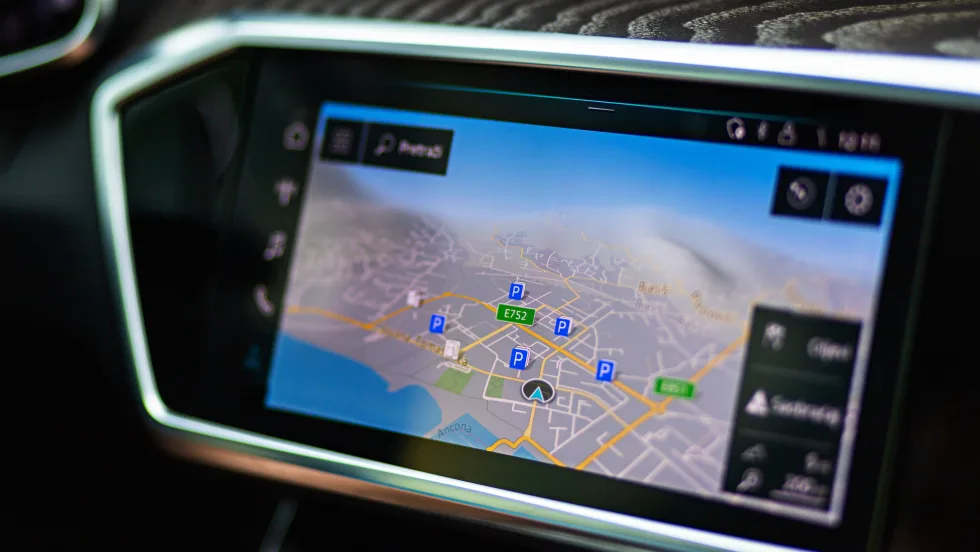
Computer Headaches on the Road
Consumers keep complaining about new cars’ infotainment tech, but are automakers listening? A recent survey shows regression except for mapping and speakers.
Read More →
Another Death Tied to Imported Air Bags
The Texas traffic fatality is the 11th federal regulators have connected to defective inflators imported from China. They urge that a certain population of used vehicles be inspected.
Read More →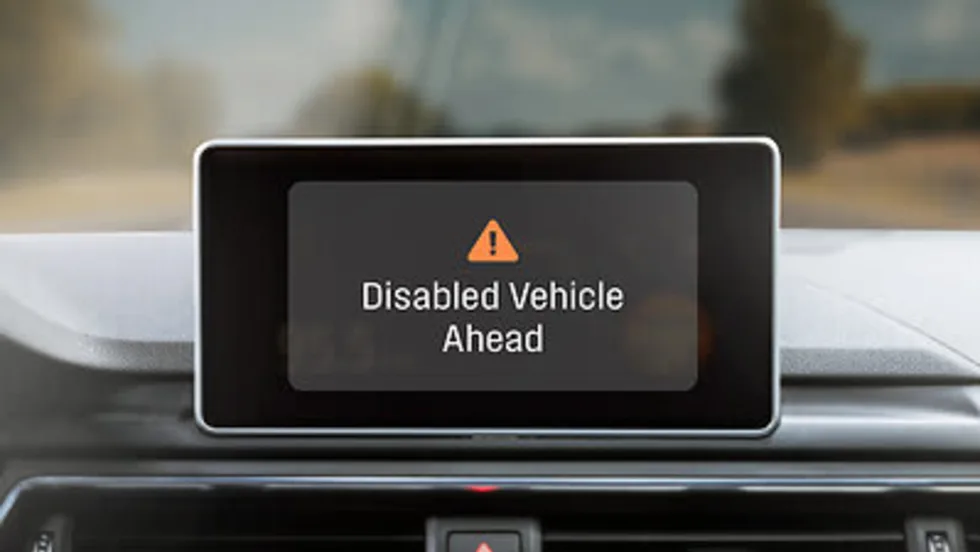
Roadside Warnings Debut
Mazda works with AAA and a technology company to alert passersby to stranded vehicles from its lineup, for both parties’ safety.
Read More →
AI As Trainer?
This month, Agent Entrepreneur Editor Hannah Mitchell shares an artificial-intelligence development that could upend traditional dealership training.
Read More →
A Lingering Auto Tech Divide
Automakers still struggle to hit consumers’ sweet spot, hanging onto the despised touchscreen and adding other complex systems while simple, effective details hit the mark.
Read More →
AI, China and the Next Wave of Auto Retail Innovation
F&I sits at the center of the changes expected to sweep the industry in just the new few years as new players change the game.
Read More →
That Bot Can Do a Lot
Artificial intelligence was all the buzz at the 2026 Agent Summit. A panel of tech specialists broke through the noise to give agents guidance on steering dealer clients.
Read More →
Cyber F&I
Your dealer clients could only benefit from showcasing products on their websites along with vehicle inventory. Modern consumers expect to be informed and are more likely to buy products when they are.
Read More →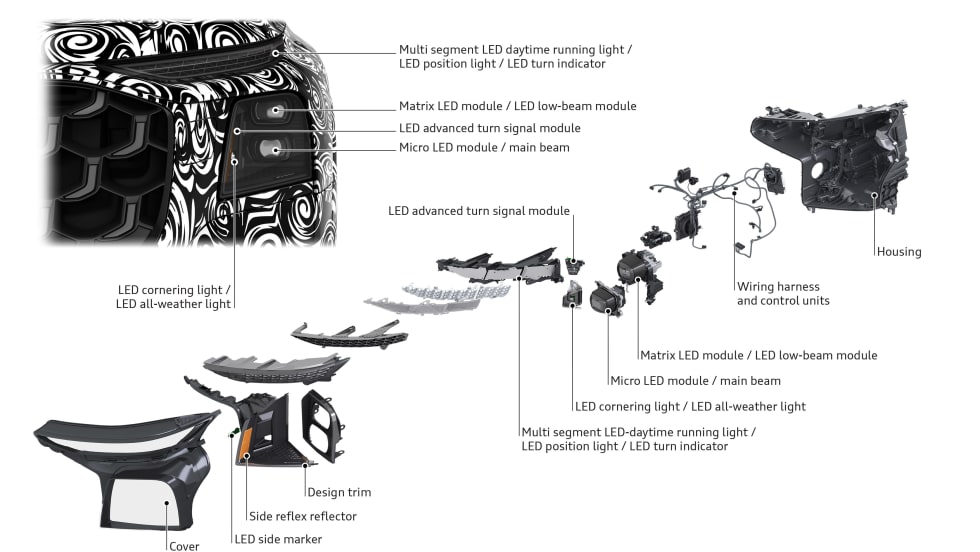
Road Glare to Drop a Notch?
Audi is preparing two SUV models for the American market with the automaker’s adaptive LED headlights. Its technology is designed to reduce brightness for other drivers, a growing complaint among U.S. motorists.
Read More →
AppOne Partners With RouteOne for E-Contracting Solution
By digitizing the entire contracting and funding process, the company says auto dealers can eliminate frustrating and disorganized manual processes.
Read More →