



Toyota Prius Reclaims Top Sales Spot In Japan

Japanese auto makers are getting their groove back as domestic sales rebounded in the month of June, a welcome harbinger that the post-March 11 slump may be nearing an end. But the leap was especially sweet for Toyota Motor Corp., as the Prius reclaimed the crown as the best-selling vehicle in Japan for the month of June.
Toyota sold 19,429 Prius vehicles in June, triple the figure it sold the previous month and enough to zip past Honda Motor Co.’s Fit in monthly sales for the first time in four months, according to the Japan Automobile Dealers Association on Wednesday. Honda sold 16,321 Fit compacts in June, reported The Wall Street Journal.
It was a marked improvement for both auto makers after sales took a nosedive following the March 11 natural disasters. Crucial parts became scarce when the earthquake-triggered tsunami slammed into key factories, disrupting the supply chain that significantly pared production output. A scant 4,876 Prius vehicles were sold in April, just a quarter of the number compared to the previous month. Sales of the Fit sank to about 8,500, or about 40 percent compared with March. But the two giants expect production to recover this summer.
The Prius and the Fit have been the top two selling vehicles in Japan since May of 2009 when the Prius debuted, except for last month when Toyota’s Vitz nudged the Prius down to No. 3.
With signs that business is returning to normal, the show must go on. The auto makers launched much-anticipated versions of their princely hybrids in recent months. In May, Japan got a Prius minivan in the Alpha and a month later Honda launched the Shuttle, the wagon version of the Fit. As the only two hybrid wagon type vehicles on the market, they are destined to be rivals. The Alpha and the Shuttle are slated to be launched globally later this year.
The orders poured in: Toyota received 52,000 for the Alpha in a month’s time and Honda’s Shuttle collected 12,000 in less than two weeks. But in terms of sales, Honda has been able to get more Fits off the lot. Honda sold 4,555 Shuttle wagons, comprising about 28 percent of number of Fits. Meanwhile, 2,929 Alphas left showrooms in Japan last month.
More Industry

Ohio Auto Group Under New Ownership
After 79 years with the Schluter family, Mansfield Auto Group has been acquired by Missouri-based Clement Auto Group.
Read More →
RV Group Expands Carolina Footprint
Blue Compass RV Columbia Northeast is the 13th RV dealership owned by Blue Compass in the Carolinas.
Read More →
Agent Acumen
An Agent Summit panel of people who’ve been supporting auto dealers for years gave both timely and timeless advice for those starting out or mulling the prospect.
Read More →
Missed Maintenance Creates Opportunity
As families get back on the road and into daily school routines, service drives have an opportunity to capture customers who are behind on recommended vehicle maintenance.
Read More →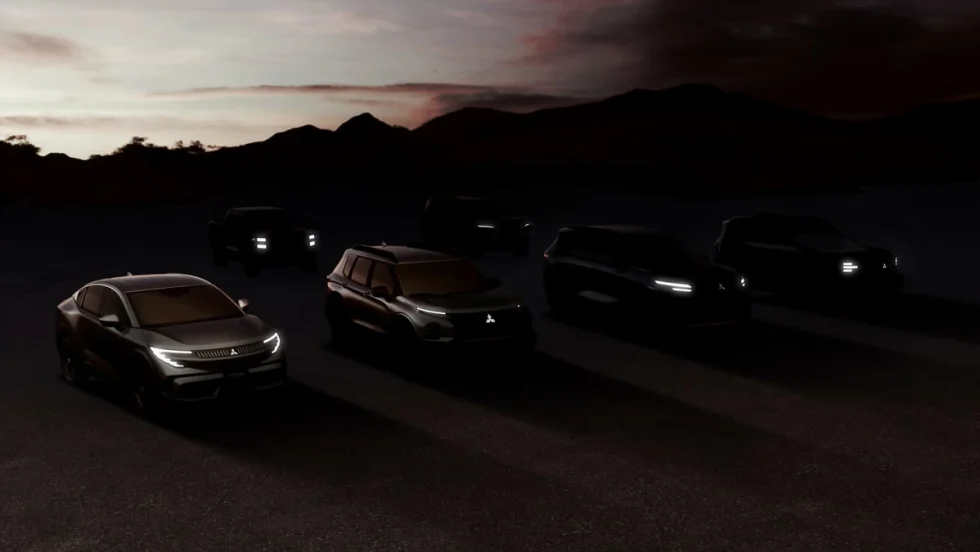
Mitsubishi Unveils U.S. Plan
The automaker announced a strategy that includes an expanded lineup and dealership presence, along with more ‘rugged’ and electric models.
Read More →
Selling to Grow
The question of whether you should sell your agency and if so, when, is up to you. But it’s a question worth asking to ensure you keep the business on the right path for yourself, employees and clients.
Read More →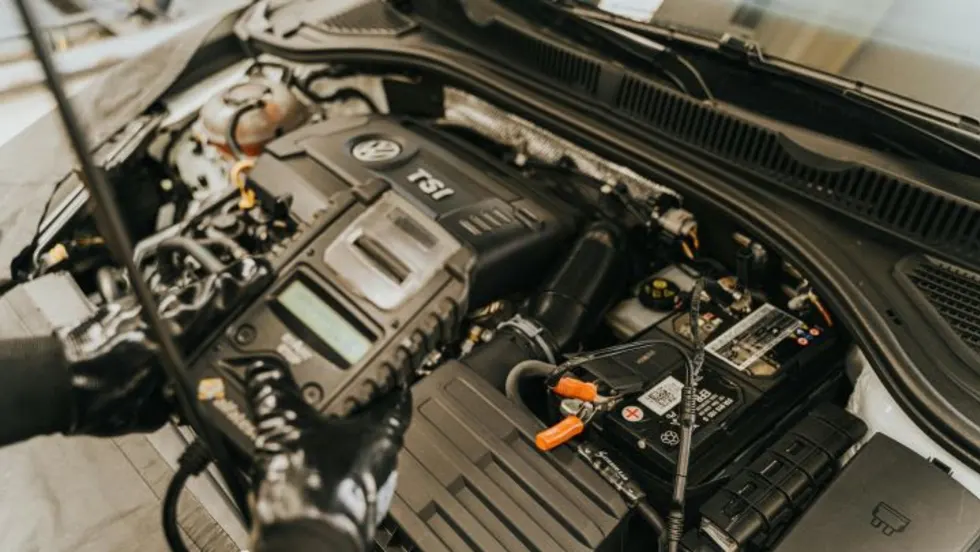
Recalled Vehicles Hit 5-Year High
Though the number of events has fallen so far this year, impacted units are up significantly. Meanwhile, regulators consider consumer notification changes.
Read More →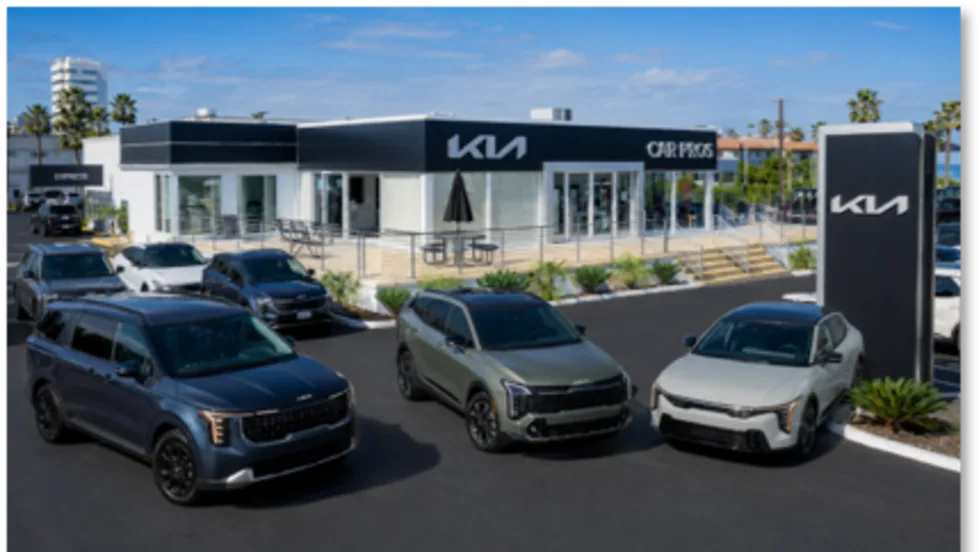
Auto Group Acquires Top-Performing Rooftop
Car Pros sold its Kia Huntington Beach location to Sutherlin Automotive Group, marking the buyer’s third location in Southern California.
Read More →
China as Pacesetter
Automotive leaders huddled on where North America stands in the global picture and how it can strengthen its position against the Asian juggernaut’s surging industry.
Read More →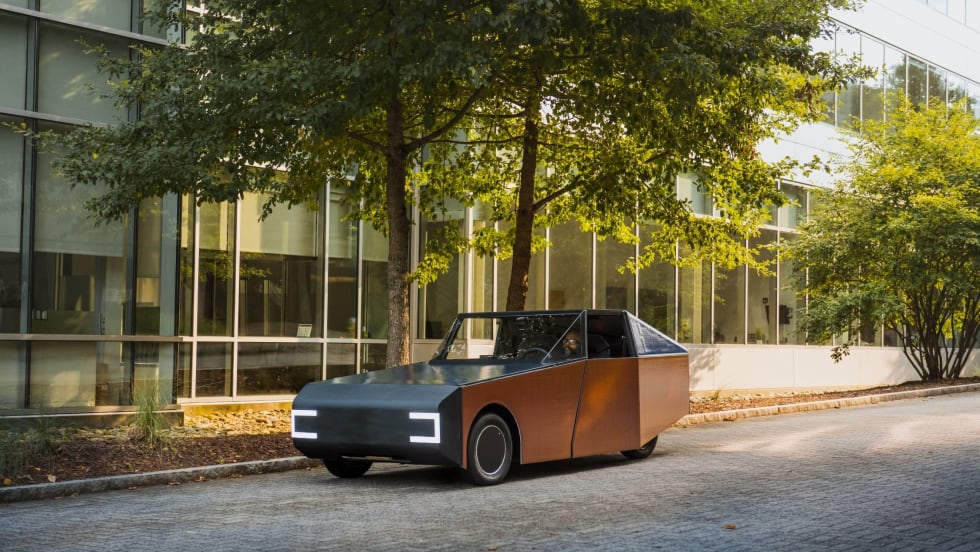
BMW Concept Car Makes Fuel to Burn
The prototype developed in concert with a South Carolina university engineering team generates more solar energy than it uses in a typical daily commute.
Read More →