



Toyota Must Face Claims Over Unintended Acceleration, Judge in U.S. Rules

The federal judge overseeing lawsuits against Toyota Motor Corp. involving allegations of unintended acceleration made final an order rejecting the automaker’s bid to throw out claims by vehicle owners claiming economic loss.
The Toyota owners contend the company drove down the value of their vehicles by failing to disclose or fix defects related to sudden acceleration. U.S. District Judge James V. Selna in Santa Ana, California, declined on May 13 to revisit last month’s tentative order allowing the lawsuits to move ahead because the vehicle owners had properly pleaded loss or injury, reported Bloomberg.
“Taking these allegations as true, as the court must at the pleading stage, they establish an economic loss,” Selna wrote, using language identical to his tentative ruling. “A vehicle with a defect is worth less than one without a defect.”
Toyota, the world’s largest automaker, recalled millions of U.S. vehicles, starting in 2009, after claims of defects and incidents involving sudden unintended acceleration. The recalls set off a wave of litigation, including hundreds of economic loss suits and claims by individuals or their families alleging injuries and deaths.
Most of the federal lawsuits were combined before Selna, who is overseeing pretrial evidence-gathering.
Selna issued a similar ruling in November that rejected Toyota’s motion to dismiss an earlier complaint by the vehicle owners.
Selna is conducting a hearing today on a request by lawyers for vehicle owners to use California law, which gives plaintiffs a better chance than most states of recovering damages, to pursue economic claims. Toyota has asked the judge to find that car owners can’t use California law on suits brought in other states.
Selna said last week that he was likely to rule in the vehicle owners’ favor. Selna said he didn’t believe Toyota’s rights to due process would be denied through using California consumer law on the claims.
The cases are combined as In re Toyota Motor Corp. Unintended Acceleration Marketing, Sales Practices and Products Liability Litigation, 8:10-ml-02151, U.S. District Court, Central District of California (Santa Ana).
More Industry

Ohio Auto Group Under New Ownership
After 79 years with the Schluter family, Mansfield Auto Group has been acquired by Missouri-based Clement Auto Group.
Read More →
RV Group Expands Carolina Footprint
Blue Compass RV Columbia Northeast is the 13th RV dealership owned by Blue Compass in the Carolinas.
Read More →
Agent Acumen
An Agent Summit panel of people who’ve been supporting auto dealers for years gave both timely and timeless advice for those starting out or mulling the prospect.
Read More →
Missed Maintenance Creates Opportunity
As families get back on the road and into daily school routines, service drives have an opportunity to capture customers who are behind on recommended vehicle maintenance.
Read More →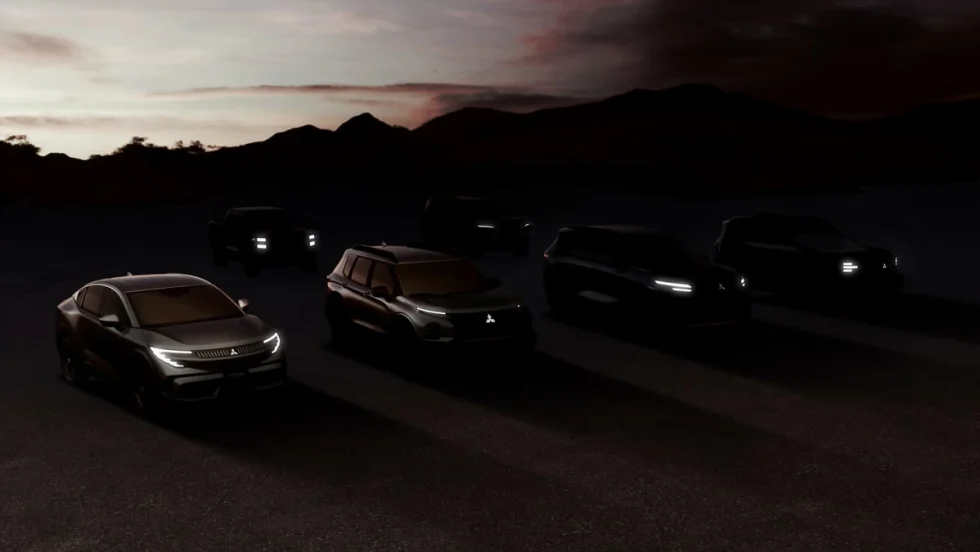
Mitsubishi Unveils U.S. Plan
The automaker announced a strategy that includes an expanded lineup and dealership presence, along with more ‘rugged’ and electric models.
Read More →
Selling to Grow
The question of whether you should sell your agency and if so, when, is up to you. But it’s a question worth asking to ensure you keep the business on the right path for yourself, employees and clients.
Read More →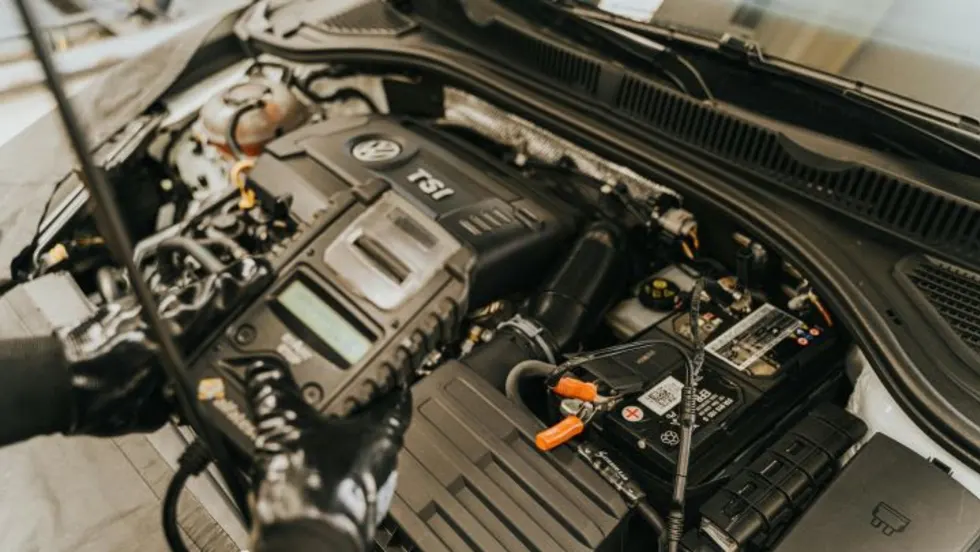
Recalled Vehicles Hit 5-Year High
Though the number of events has fallen so far this year, impacted units are up significantly. Meanwhile, regulators consider consumer notification changes.
Read More →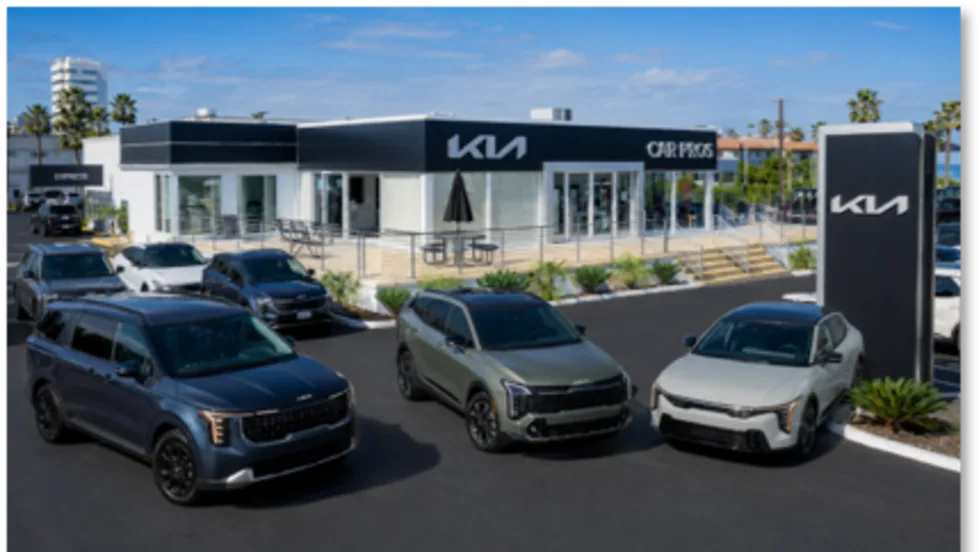
Auto Group Acquires Top-Performing Rooftop
Car Pros sold its Kia Huntington Beach location to Sutherlin Automotive Group, marking the buyer’s third location in Southern California.
Read More →
China as Pacesetter
Automotive leaders huddled on where North America stands in the global picture and how it can strengthen its position against the Asian juggernaut’s surging industry.
Read More →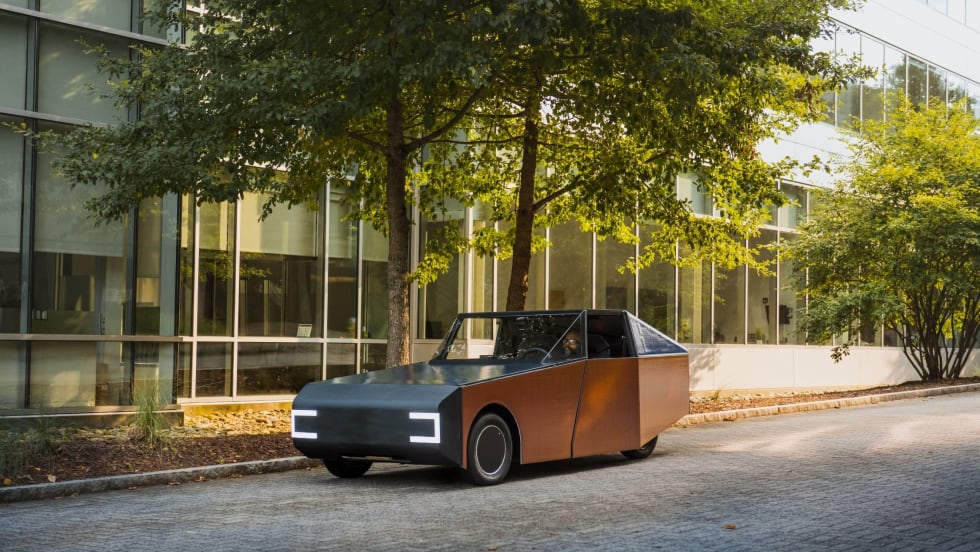
BMW Concept Car Makes Fuel to Burn
The prototype developed in concert with a South Carolina university engineering team generates more solar energy than it uses in a typical daily commute.
Read More →