



Toyota Documents Show it Knew of Pedal Flaws in '06

WASHINGTON - Toyota Motor Corp. knew about flaws that could cause unintended acceleration more than 3 1/2 years before it recalled cars and trucks to fix the defects, according to company timelines, Bloomberg reported. Toyota, the world's largest automaker, learned that floor mats could entrap accelerator pedals as early as Feb. 7, 2006, and was aware five months later that pedals could stick, according to documents dated March 24 that were submitted to the National Highway Traffic Safety Administration and obtained Thursday. The timelines show what Toyota has said was a slow response that led to the recall of about 8 million vehicles worldwide starting last year to repair the two types of acceleration-related defects. The first report was from a model year 2005 Prius hybrid "regarding floor mat interference with an accelerator pedal," according to the documents, which were sent by the carmaker to the safety agency. Martha Voss, a Washington-based spokeswoman for Toyota, had no immediate comment. Toyota began recalls for the two pedal-related defects after an Aug. 28 Lexus sedan crash killed off-duty California Highway Patrol officer Mark Saylor and three family members when a floor mat jammed down the accelerator pedal. The U.S. Transportation Department this week proposed a record $16.4 million fine on Toyota after concluding the carmaker “knowingly hid a dangerous defect.” Companies have five days after learning of safety defects to report them to the auto safety regulator under U.S. law. The timelines were sent to NHTSA's Office of Defects Investigation, which like Toyota, is facing criticism from Congress for its role in the recalls. Toyota didn't act on the first sticky pedal report because the “problem was not reproduced and no other similar” reports were received, according to the timeline. “Toyota decided to monitor the situation in the field.”
More Industry
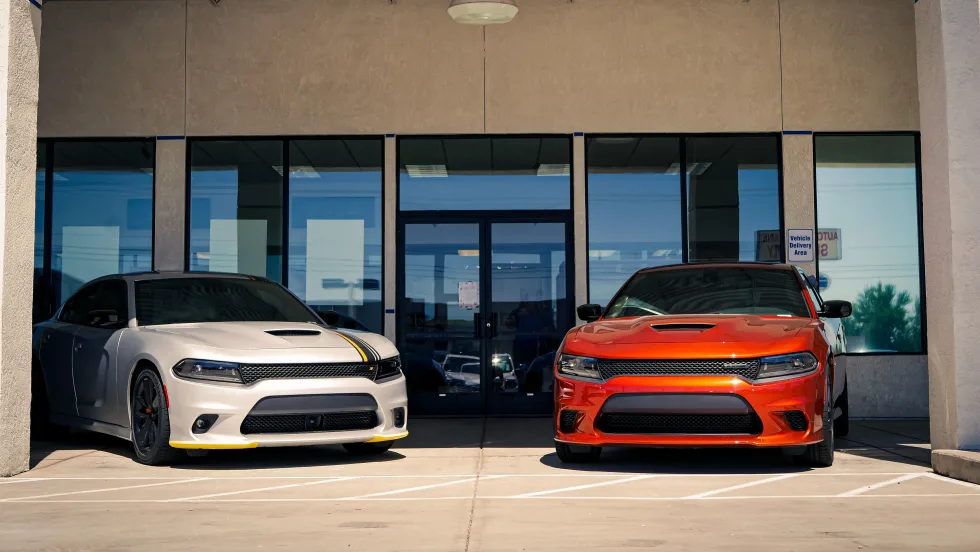
Auto Affordability Inches Up
The latest Cox Automotive and Moody’s Analytics index shows a slight increase in new-vehicle affordability despite high prices.
Read More →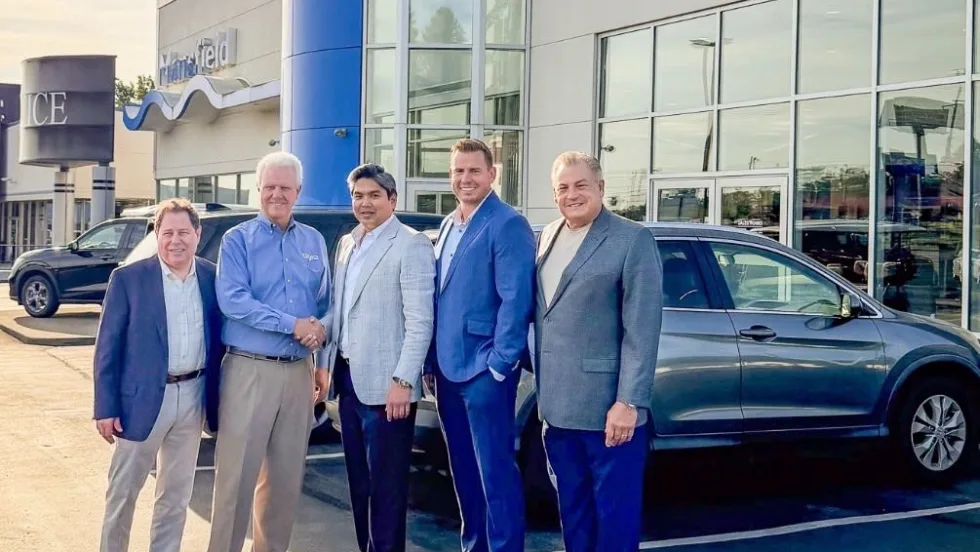
Ohio Auto Group Under New Ownership
After 79 years with the Schluter family, Mansfield Auto Group has been acquired by Missouri-based Clement Auto Group.
Read More →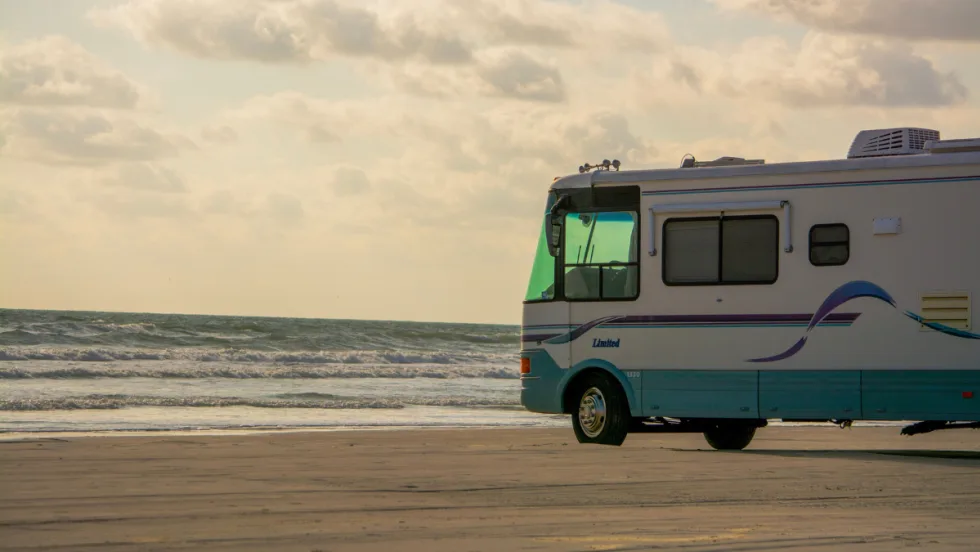
RV Group Expands Carolina Footprint
Blue Compass RV Columbia Northeast is the 13th RV dealership owned by Blue Compass in the Carolinas.
Read More →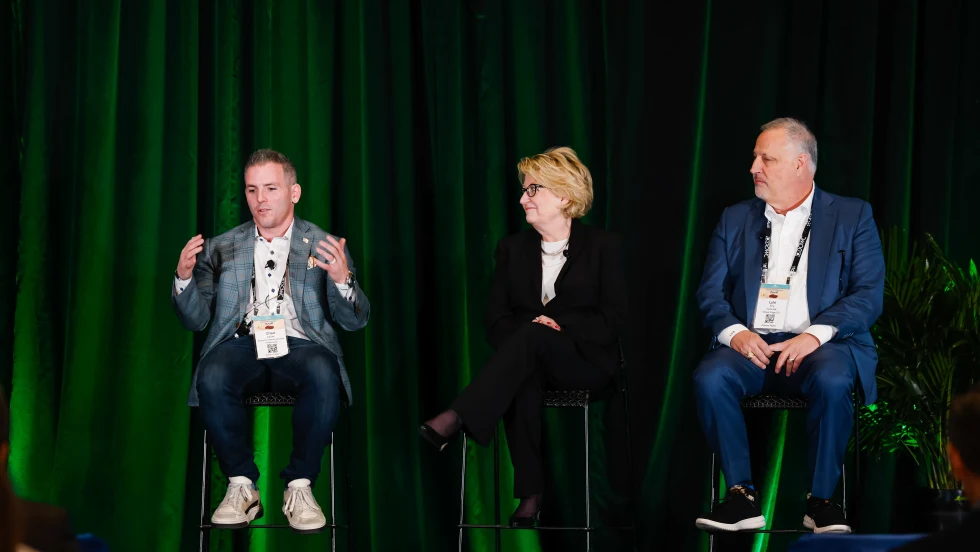
Agent Acumen
An Agent Summit panel of people who’ve been supporting auto dealers for years gave both timely and timeless advice for those starting out or mulling the prospect.
Read More →
Missed Maintenance Creates Opportunity
As families get back on the road and into daily school routines, service drives have an opportunity to capture customers who are behind on recommended vehicle maintenance.
Read More →
Mitsubishi Unveils U.S. Plan
The automaker announced a strategy that includes an expanded lineup and dealership presence, along with more ‘rugged’ and electric models.
Read More →
Selling to Grow
The question of whether you should sell your agency and if so, when, is up to you. But it’s a question worth asking to ensure you keep the business on the right path for yourself, employees and clients.
Read More →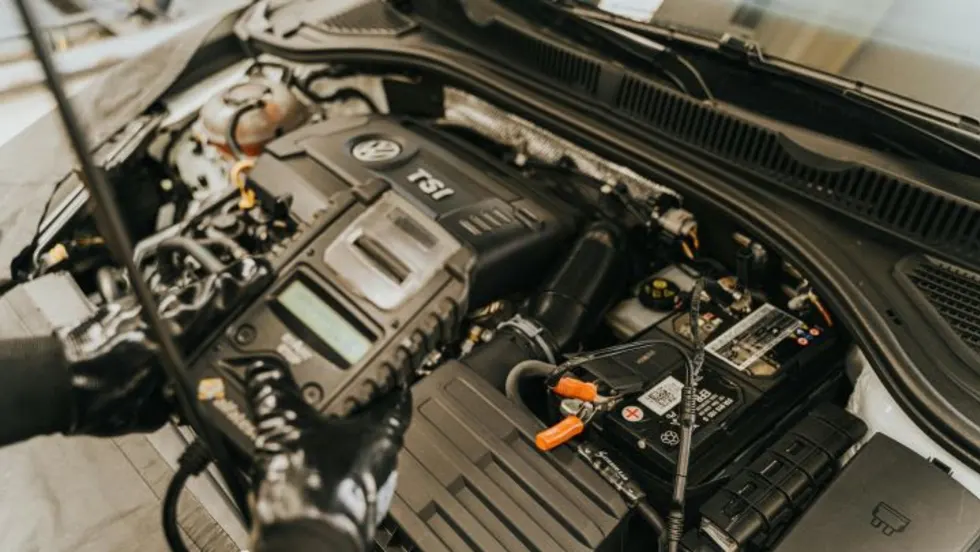
Recalled Vehicles Hit 5-Year High
Though the number of events has fallen so far this year, impacted units are up significantly. Meanwhile, regulators consider consumer notification changes.
Read More →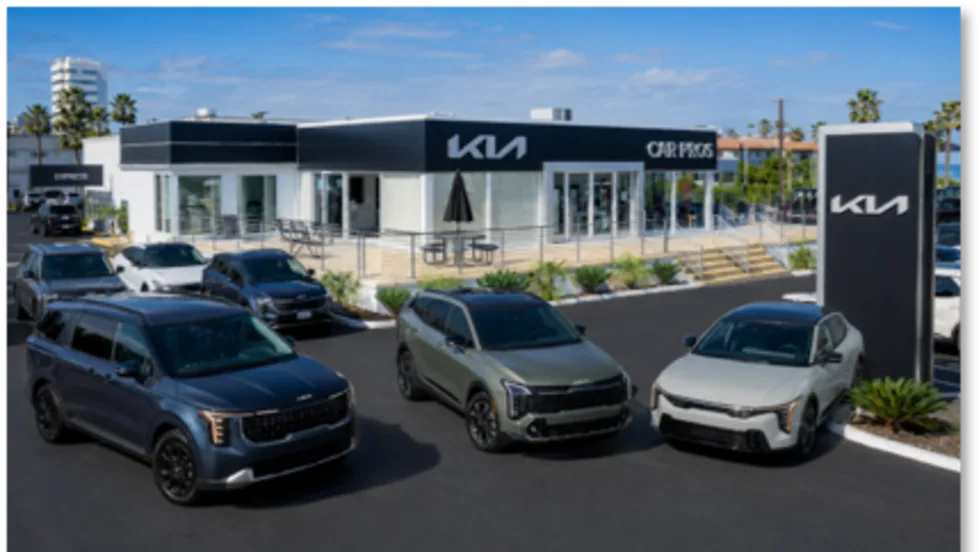
Auto Group Acquires Top-Performing Rooftop
Car Pros sold its Kia Huntington Beach location to Sutherlin Automotive Group, marking the buyer’s third location in Southern California.
Read More →
China as Pacesetter
Automotive leaders huddled on where North America stands in the global picture and how it can strengthen its position against the Asian juggernaut’s surging industry.
Read More →