



Toyota Announces Manufacturing Miss
Toyota Motor Corp. announced it will not reach its goal of manufacturing 9 million cars in its fiscal year, which ends in March.

Toyota
Toyota Motor Corp. has announced it will not reach its goal of manufacturing 9 million cars in its fiscal year, which ends in March. The company cited persistent chip shortages as the reason.
The company has pared back production to 700,000 units in February, a figure that’s around 150,000 fewer units than the original goal for the month, Toyota said in a statement. The automaker, which captured recognition as the world’s No. 1 selling automaker last month, did not set a new annual target. The company simply reported that it expects the final output to be lower than previously forecast.
Toyota reduced production in September when COVID lockdowns in Southeast Asia disrupted its supply of key parts.
“We’re in a production recovery phase, but we haven’t been able to meet as high targets as we were previously planning,” said Kazunari Kumakura, head of Toyota’s purchasing group. He noted that it would be “very difficult” to meet earlier forecasts for annual production under current conditions.
Even with production reductions forecast for February, Toyota will make about 5% more vehicles than February 2020, when it produced 668,001 vehicles.
Kumakura notes the company plans high levels for March and the next fiscal year.
“There are still risks and with Covid continuing to spread, conditions are difficult to read,” he added.
Supply chain hits continue, with signs showing a turn for the worst. Japan’s auto parts trade group warned of many factors impacting parts and materials shipments.
Toyota will suspend output at eight plants in Japan from two to 13 days in February. Other Japanese automakers are expected to the do same.
“We will continue to examine the situation and consult with all companies involved in considering the use of substitutes where possible in anticipation of a continuing shortage” of semiconductor-related parts, Toyota reported in a statement. “We will also continue to work with our suppliers in strengthening the supply chain and make every effort to deliver vehicles to our customers as soon as possible,” Kumakura said.
China’s zero tolerance approach to COVID also impacts the automaker’s production. Toyota recently halted work at its factory in Tianjin as the omicron variant spreads in the world’s biggest auto production hub.
In a recent report, analysts at Fitch Solutions reported the COVID-Zero strategy “will have a global impact given the role China still plays in the global autos supply chain.”
Fitch predicted the recovery of global vehicle production will be delayed until 2023, due to ongoing semiconductor shortages, shipping delays and localized lockdowns.
Originally posted on Auto Dealer Today
More Industry

Penske Auto Group Deal a Record
The deal to take the dealership and transportation services company private sets a new pace for industry buy-sell transactions.
Read More →
War Toll a Damper on Used Auto Prices
Cox Automotive found wholesale depreciation to be elevated in September amid high fuel prices and this year's unusual hurricane season.
Read More →
Bridge the Maintenance Gap
With many drivers missing recommended maintenance, service departments offering transparency and efficiency have a better chance of reaching financially strained consumers.
Read More →
California Store Has New Owner
The longtime dealership in the northern part of the state is known for robust fleet sales and has served the state capital for 115 years.
Read More →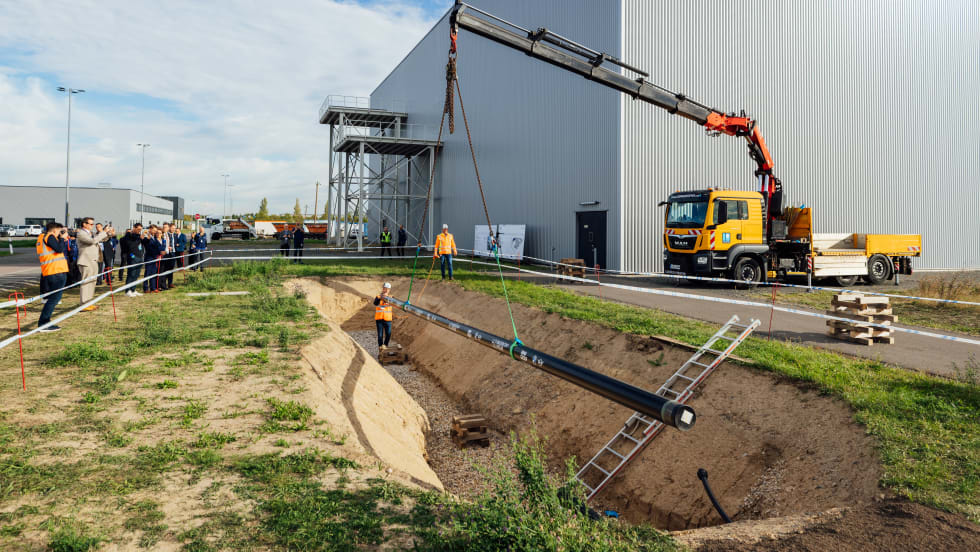
BMW Plant Pursues Cleaner Energy
BMW Group Plant Leipzig has utilized hydrogen to help power its production since 2013, but a new pipeline is planned to take it to another level.
Read More →
Auto Affordability Inches Up
The latest Cox Automotive and Moody’s Analytics index shows a slight increase in new-vehicle affordability despite high prices.
Read More →
Ohio Auto Group Under New Ownership
After 79 years with the Schluter family, Mansfield Auto Group has been acquired by Missouri-based Clement Auto Group.
Read More →
RV Group Expands Carolina Footprint
Blue Compass RV Columbia Northeast is the 13th RV dealership owned by Blue Compass in the Carolinas.
Read More →
Agent Acumen
An Agent Summit panel of people who’ve been supporting auto dealers for years gave both timely and timeless advice for those starting out or mulling the prospect.
Read More →
Missed Maintenance Creates Opportunity
As families get back on the road and into daily school routines, service drives have an opportunity to capture customers who are behind on recommended vehicle maintenance.
Read More →