



Tesla Introduces 'New Type' of Financing Option

Palo Alto, Calif. — When Tesla Motors’ CEO Elon Musk was reviewing the different consumer financing options offered by other carmakers, he thought to himself, “There’s got to be a better way than the traditional approach.”
Musk recalled that moment on Tuesday during a conference call with media to introduce what he called a new type of consumer leasing option the California-based electric carmaker will offer through Wells Fargo and US Bank.
The option will allow Model S customers to lease the vehicle for three years. After that time, the customer can either continue to make payments on the vehicle on a 66-month financing plan or return the car as a trade-in to receive cash back. Musk said he believes the leasing option gives customers the value of ownership upfront, and he made a concrete promise that the residual value percentage on the Model S will be the same as the iconic Mercedes S Class after the 36-month period.
“I am personally standing behind that,” Musk announced, elaborating that he is ‘putting his money where his mouth is,’ because he is so confident in the product and the financing options.
Musk went on to say that it has always been his goal to make mass-market cars. He says this program is intended to increase affordability, adding that a majority of consumers who participated during the program’s “quiet test phase” qualified for the lease option.
According to Musk, finance customers on the Model S can expect to pay interest rates of less than 3 percent. Wells Fargo and US Bank will provide a 10 percent down financing on the vehicle, with Tesla estimating close to a $500 monthly payment for customers — ‘combined with state tax credits, savings on gasoline and depreciation benefits.’
Tesla does not currently have a captive in place for its financing, with Musk noting it is difficult for his company to be competitive with the large banks offering such low interest rates.
Musk also revealed that customers should expect several more announcements in coming weeks, hinting that something revolutionary is on the horizon for the automaker. “We will make those announcements, but not today,” Musk said.
Via F&I Showroom
More Industry
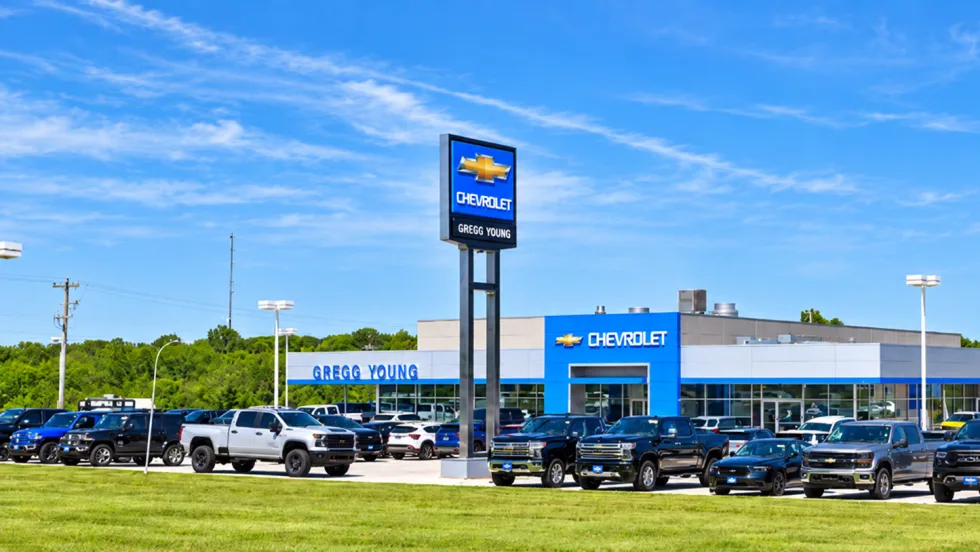
Nebraska Rooftop Changes Hands
The Gregg Young Automotive Group has sold its second dealership to Janssen Auto Group, both in Plattsmouth, Neb.
Read More →
Penske Auto Group Deal a Record
The deal to take the dealership and transportation services company private sets a new pace for industry buy-sell transactions.
Read More →
War Toll a Damper on Used Auto Prices
Cox Automotive found wholesale depreciation to be elevated in September amid high fuel prices and this year's unusual hurricane season.
Read More →
Bridge the Maintenance Gap
With many drivers missing recommended maintenance, service departments offering transparency and efficiency have a better chance of reaching financially strained consumers.
Read More →
California Store Has New Owner
The longtime dealership in the northern part of the state is known for robust fleet sales and has served the state capital for 115 years.
Read More →
BMW Plant Pursues Cleaner Energy
BMW Group Plant Leipzig has utilized hydrogen to help power its production since 2013, but a new pipeline is planned to take it to another level.
Read More →
Auto Affordability Inches Up
The latest Cox Automotive and Moody’s Analytics index shows a slight increase in new-vehicle affordability despite high prices.
Read More →
Ohio Auto Group Under New Ownership
After 79 years with the Schluter family, Mansfield Auto Group has been acquired by Missouri-based Clement Auto Group.
Read More →
RV Group Expands Carolina Footprint
Blue Compass RV Columbia Northeast is the 13th RV dealership owned by Blue Compass in the Carolinas.
Read More →
Agent Acumen
An Agent Summit panel of people who’ve been supporting auto dealers for years gave both timely and timeless advice for those starting out or mulling the prospect.
Read More →