



Teamsters Warn of Cruise Origin Dangers
Union calls on NHTSA not to exempt autonomous vehicle from Federal Motor Vehicle Safety Standards


The Teamsters cited the chaos these autonomous vehicles have already caused on crowded city streets.
IMAGE: Pixabay
The Teamsters called on the National Highway Traffic Safety Administration to reject a petition by General Motors and its autonomous vehicle subsidiary, Cruise, to exempt the system from Federal Motor Vehicle Safety Standards for an autonomous vehicle.
The requested exemption is for the Cruise Origin, a fully self-driving vehicle that has no pedals, steering wheel or other manual controls.
“It is dangerous for other motorists, for pedestrians, and for middle-class jobs for Cruise to make a request like this from NHTSA,” said Teamsters General President Sean M. O’Brien in a press release. “We already have too many examples of the chaos these vehicles cause in our communities. To allow this company to expand its fleet to put even more ‘advanced’ driverless cars on the road would be catastrophic for everyone.”
The Teamsters' concerns stem from safety issues involving Cruise, including alleged instances in which the vehicles:
Collided with fire trucks, resulting in the death of a pedestrian in San Francisco,
Blocked waste trucks and got stuck in concrete, preventing union members from doing their jobs
Besides safety concerns, the company also has said it plans to eliminate jobs in the supply chain, reported the Teamster release. The CEO of Cruise has revealed plans to replace human drivers in cities and use Origin for package deliveries, though the Teamsters say the company has presented no strategy showing it's prepared to be a significant player in the logistics sector, the release noted.
The Teamsters told NHTSA that GM/Cruise has not provided enough information about its proposed package-delivery service, including how it will operate and how safety concerns will be addressed.
“Given fundamental questions raised concerning the safety record of the petitioner, and ongoing failures to detail components of the Origin’s operations, at this time we do not believe that GM/Cruise can operate a FMVSS-exempted vehicle at the level of safety standards required by federal law and regulation,” the Teamsters wrote.
NHTSA's consideration of the application is limited because of the lack of federal safety guidelines for autonomous vehicles, including technology-specific regulations, the Teamsters say. The Teamsters' Autonomous Vehicle Federal Policy Principles urges NHTSA to establish fresh regulations that address self-driving vehicles’ technology performance and compliance requirements.
Originally posted on Auto Dealer Today
More Product & Technology
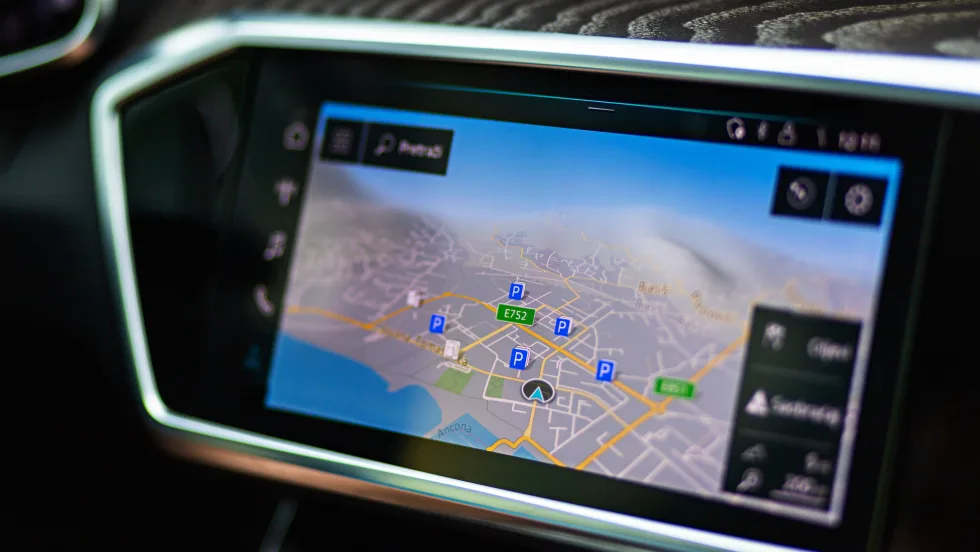
Computer Headaches on the Road
Consumers keep complaining about new cars’ infotainment tech, but are automakers listening? A recent survey shows regression except for mapping and speakers.
Read More →
Another Death Tied to Imported Air Bags
The Texas traffic fatality is the 11th federal regulators have connected to defective inflators imported from China. They urge that a certain population of used vehicles be inspected.
Read More →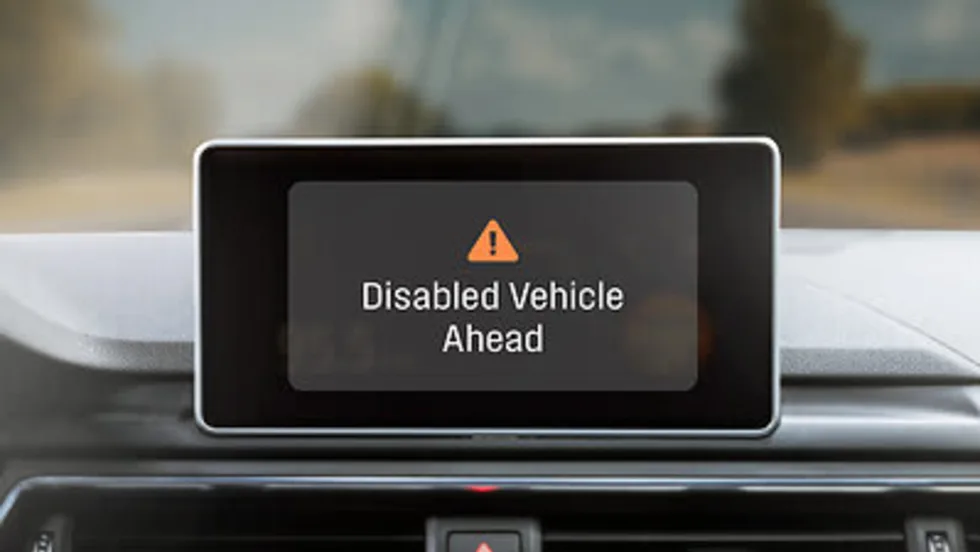
Roadside Warnings Debut
Mazda works with AAA and a technology company to alert passersby to stranded vehicles from its lineup, for both parties’ safety.
Read More →
AI As Trainer?
This month, Agent Entrepreneur Editor Hannah Mitchell shares an artificial-intelligence development that could upend traditional dealership training.
Read More →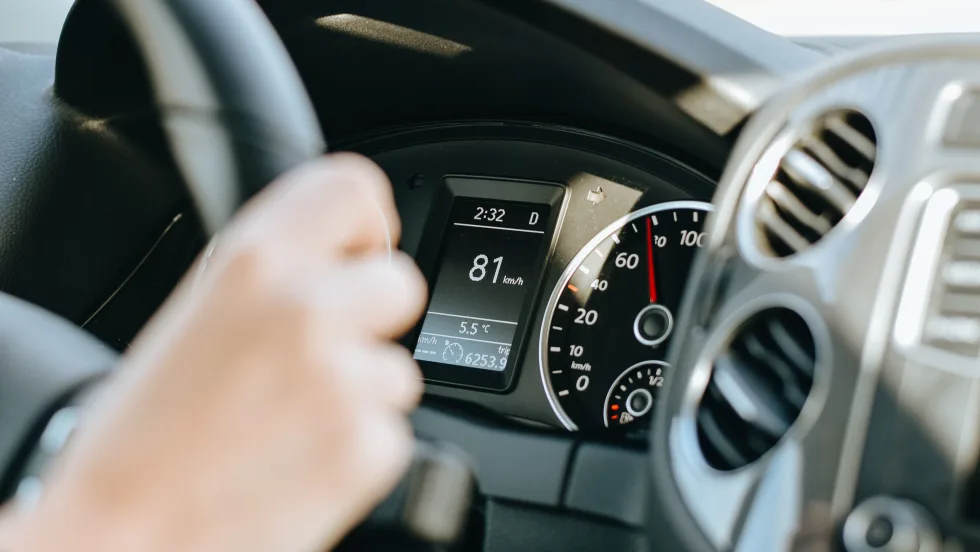
A Lingering Auto Tech Divide
Automakers still struggle to hit consumers’ sweet spot, hanging onto the despised touchscreen and adding other complex systems while simple, effective details hit the mark.
Read More →
AI, China and the Next Wave of Auto Retail Innovation
F&I sits at the center of the changes expected to sweep the industry in just the new few years as new players change the game.
Read More →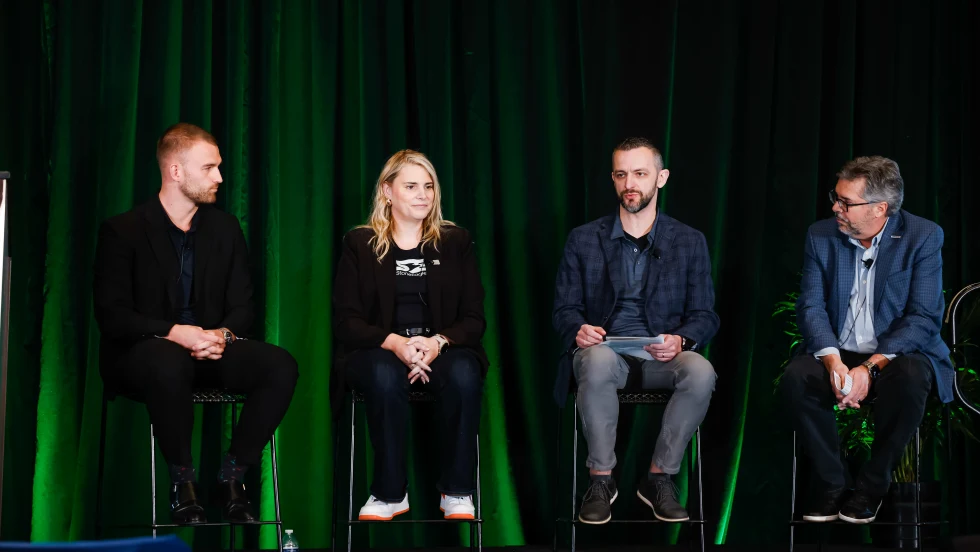
That Bot Can Do a Lot
Artificial intelligence was all the buzz at the 2026 Agent Summit. A panel of tech specialists broke through the noise to give agents guidance on steering dealer clients.
Read More →
Cyber F&I
Your dealer clients could only benefit from showcasing products on their websites along with vehicle inventory. Modern consumers expect to be informed and are more likely to buy products when they are.
Read More →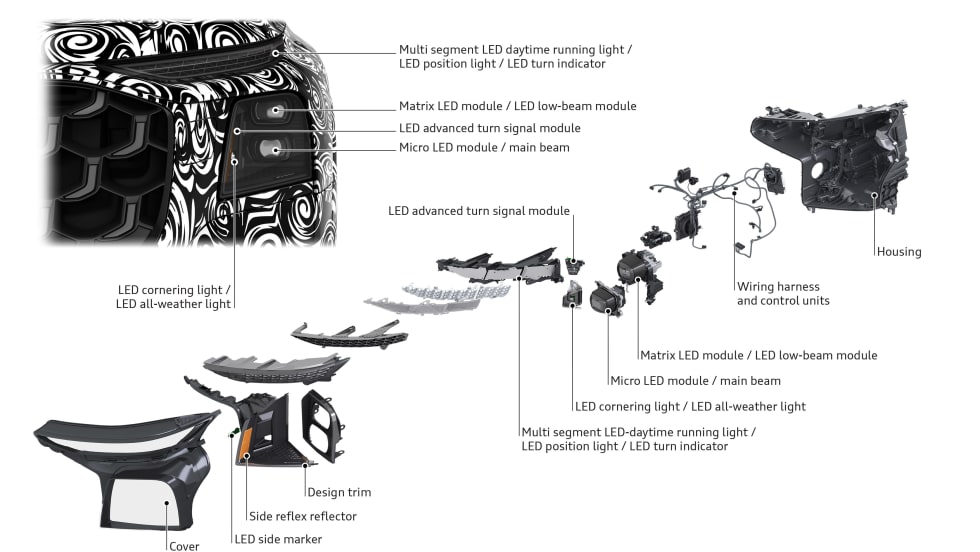
Road Glare to Drop a Notch?
Audi is preparing two SUV models for the American market with the automaker’s adaptive LED headlights. Its technology is designed to reduce brightness for other drivers, a growing complaint among U.S. motorists.
Read More →
AppOne Partners With RouteOne for E-Contracting Solution
By digitizing the entire contracting and funding process, the company says auto dealers can eliminate frustrating and disorganized manual processes.
Read More →