



Study Shows Customer Satisfaction High Despite Low Inventories
J.D. Power reports metrically measured customer satisfaction with their automotive purchases remains at 789 points (on a 1,000-point scale), the same as in 2020.

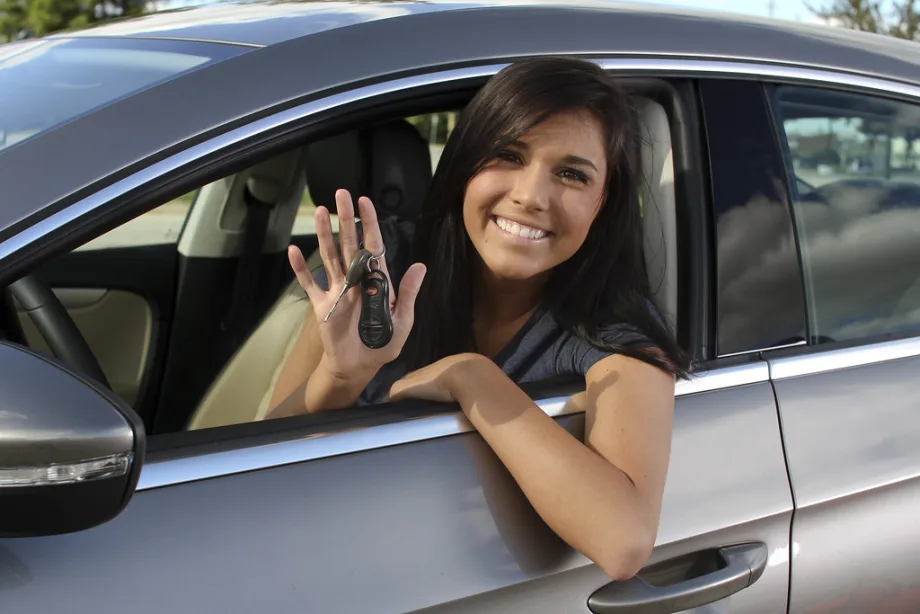
Flickr
Though it’s harder than ever to find a new vehicle due to a nationwide new-car inventory shortage, the J.D. Power 2021 Sales Satisfaction Index Study shows high levels of customer satisfaction among new car buyers.
The study surveyed 35,387 buyers who purchased or leased new vehicles from March through May and found metrically measured customer satisfaction with automotive purchases remains at 789 points (on a 1,000-point scale), the same as in 2020.
Dealer satisfaction increased two points to 841 among the auto retailers where buyers purchased their vehicle. But the study found in no-sale situations, dealer satisfaction declined six points to 632.
J.D. Power says the reason customer satisfaction is holding steady despite the inventory shortage and higher prices is that new-car buyers receive more money for their trade-in than expected.
The study shows the percentage of buyers who received more than they expected for their trade-in increased nine percentage points in the mass market segment and eight percentage points in the premium segment.
In the past, a top customer pain point in the sales journey was a dealer’s trade-in valuation quote.
A global chip shortage has forced automakers to shutter production and build fewer vehicles. Couple that with demand outpacing supply and dealers now wrestle with critical inventory shortages. The manufacturers with the greatest inventory shortages are losing shoppers to competitors, reported J.D. Power.
The percentage of shoppers rejecting a brand because of inventory shortages is highest among domestic truck brands. Genesis saw the highest percentage of rejectors (39%) among all brands because dealerships didn’t have the exact vehicle they wanted.
J.D. Power reports the good news is that 78% of those who reject a dealership due to inventory shortages say they will consider the dealership for future vehicle purchases.
Buyers of new battery-electric vehicles did express less satisfaction with sales experience in the study. The overall buyer satisfaction index was 54 points lower for BEVs (790) than for traditional vehicles with internal-combustion engines (844).
J.D. Power reports this disparity arises from dealership salespeople having more experience and product knowledge with ICE vehicles than BEVs. The study shows that now is the time to ramp up training and knowledge of BEVs and related services, including charging and aftersales requirements.
With an index score of 833, Porsche received an index score of 833, putting it at the top in satisfaction with dealer service among premium brands. Infiniti (825) ranked second, then Lexus (820), Cadillac (814) and Lincoln (813).
GMC ranked highest (812) among mass market brands, followed by Buick (806), Chevrolet (804), Dodge (796) and Nissan (795).
Brands that saw the greatest improvement in satisfaction scores year over year are Jeep (+24), Chevrolet (+17) and Dodge (+17).
The U.S. Sales Satisfaction Index Study has measured satisfaction with the sales experience among new-vehicle buyers and rejecters for 36 years.
The study bases buyer satisfaction on six factors (in order of importance): delivery process, dealer personnel, working out the deal, paperwork completion, dealership facility and dealership website. It bases rejecter satisfaction on five factors: salesperson, price, facility, variety of inventory and negotiation.
Originally posted on Auto Dealer Today
More Sales
September Payments Reach New Heights
Despite lower interest rates and longer loan terms, the average new-vehicle monthly payment continues to climb, and transaction prices remain high.
Read More →
Used Lots Getting the Business
Many consumers are seeking out the units to save money, and the demand – higher in July than normal – is keeping supply limited and prices up.
Read More →
Two Kinds of Agents and the 5 Ps That Separate Them
Follow these key guidelines to distinguish your agency from competitors by adding more value to your dealer clients' businesses.
Read More →
Positive Equity Reaches Record High
Mainstream vehicle owners who bought a car seven years ago are likely to have positive equity when trading in for a new vehicle, according to second-quarter Edmunds data.
Read More →
Used Market Stabilizes
The Carfax Used Car Index noted a major drop in used-vehicle price increases in July after several months of hikes.
Read More →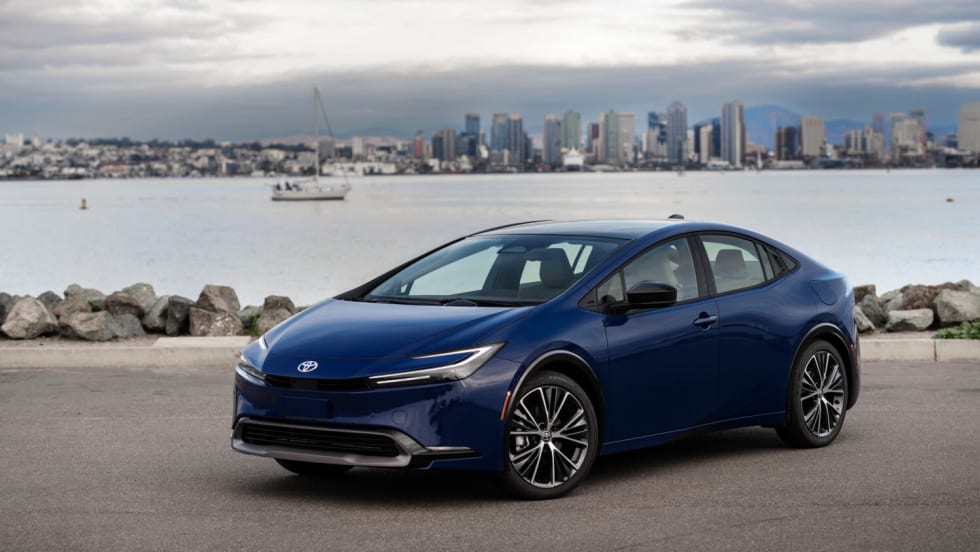
July Auto Sales Simmer
Deliveries were up modestly from a year ago despite still-high prices as OEMs offered more incentives and loan rates eased somewhat.
Read More →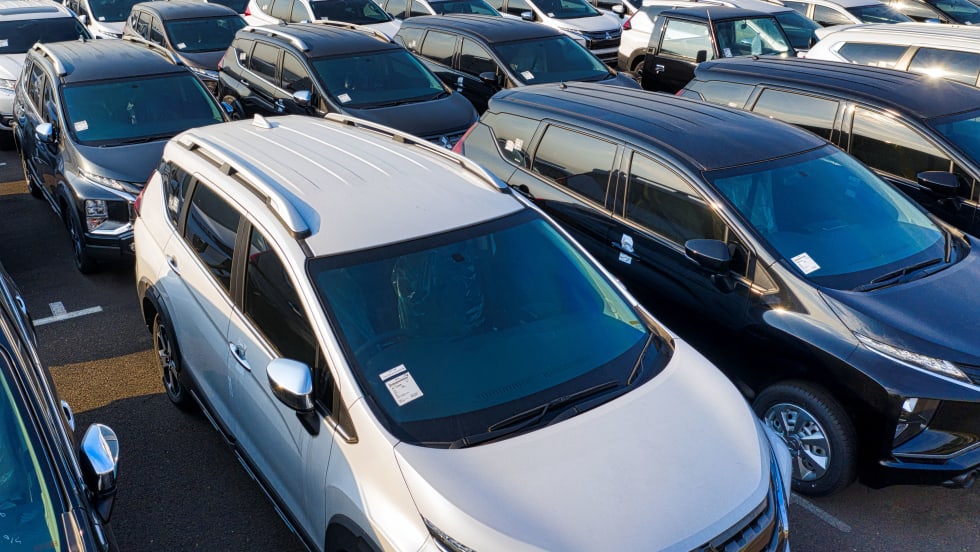
Used Sales Hit Summer Drag
The vacation season, combined with high prices, has dented deliveries and added to inventories, though supply is still slim enough to keep listings elevated.
Read More →
June Automotive Boon?
A forecast for this month’s new-vehicle sales tells a familiar 2026 story: Year-over-year comparisons must be made in light of last year’s aberrations.
Read More →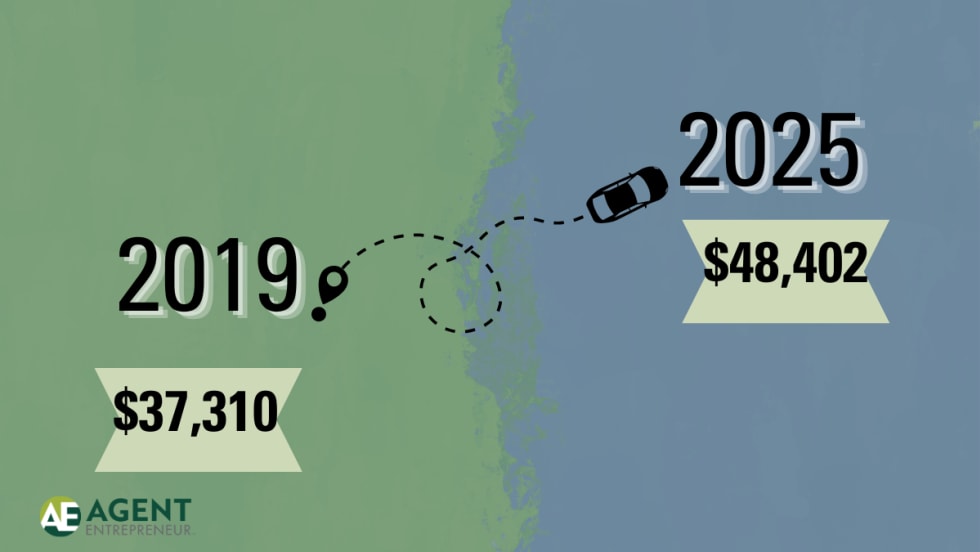
Affordable New Cars a Thing of the Past
More than one out of five new vehicles sell for more than $60,000, according to Edmunds. That's up 7% compared to prepandemic 2019.
Read More →
Legacy Automakers Risk Falling Behind
As legacy automakers, mostly in the U.S. and Japan, have revised their 2030 electric-vehicle sales targets and shifted to a hybrid focus, they risk falling behind new market leaders.
Read More →