



Study: Danger of Driverless Vehicles Grows With Time
Researchers at two Texas universities say drivers of autonomous vehicles are less likely to successfully avoid hazards undetectable by technology the more time they spend behind the wheel.

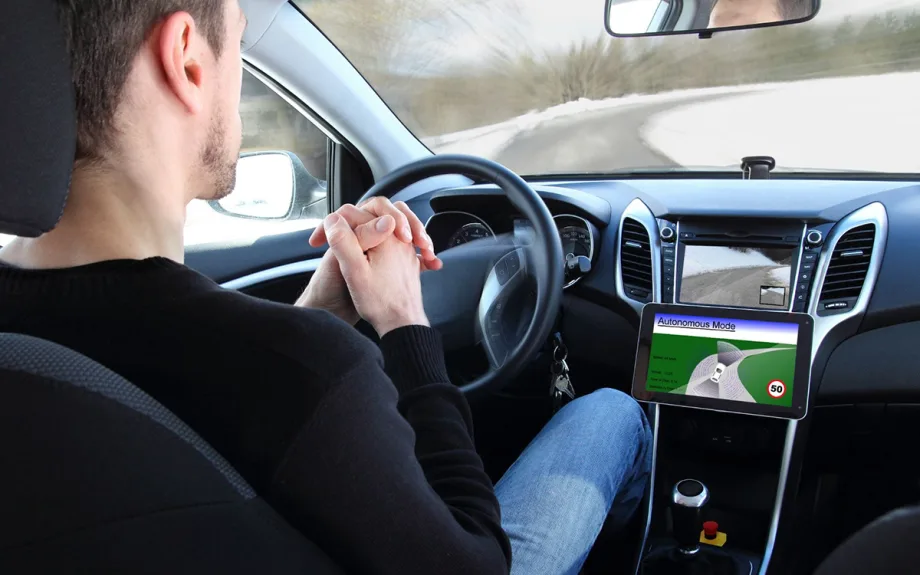
A driver’s ability to react to hazards undetectable to autonomous vehicles fell by as much as 21% after 40 minutes in simulator testing conducted by researchers from Rice University and Texas Tech.
Photo courtesy Rice University
HOUSTON — New research from Rice University and Texas Tech University has found that drivers often fail to spot hazards missed by automated vehicles, and it only gets worse the longer drivers ride in them. The study, “Driver Vigilance in Automated Vehicles: Effects of Demands on Hazard Detection Performance,” was co-authored by David Newton, a graduate student at Texas Tech, and will appear in an upcoming edition of Human Factors.
The researchers examined the behavior of 60 licensed drivers operating an automated car in a simulator. Participants were told they would not need to steer, brake, or accelerate. They were instructed to monitor the roadway for vehicles that were stopped dangerously at intersections and intruding into the driver’s lane, which constituted a hazard that automated vehicles could not detect. Participants also had to distinguish between vehicles that were safely stopped and dangerously stopped at intersections.
By the end of the 40-minute simulation, the drivers’ accuracy dropped by 7% to 21%. The highest score was just less than 88%, suggesting that all drivers missed at least some hazards.
Pat DeLucia, a professor of psychological sciences at Rice and the study’s co-author, said one possible explanation is that people get used to cars doing the driving and become complacent. Coupled with previous research that indicated people are “terrible” at monitoring for occasional hazards, the new study “suggests that this phenomenon of difficulty monitoring effectively over time extends to monitoring an automated car,” DeLucia said.
Originally posted on Auto Dealer Today
More Industry
California Calling? What's Up With the State's New CARS Act?
Should auto dealers outside of California be concerned about its new price-transparency law? Yes, and you can guide them in the right direction.
Read More →
Tennessee Transaction Latest in Buy-Sell Flurry
Four stores move from a longtime local family business to one of the country’s biggest automotive groups as part of the industry’s continued consolidation.
Read More →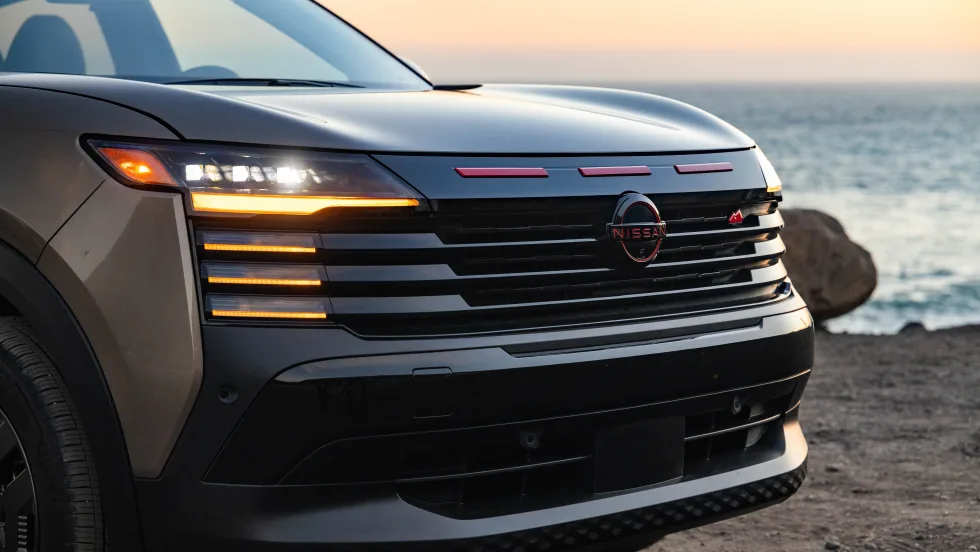
SUV Joins Safety Rankings
Thanks to a seat belt redesign, the Nissan Kicks has earned a Top Safety Pick award from the Insurance Institute for Highway Safety.
Read More →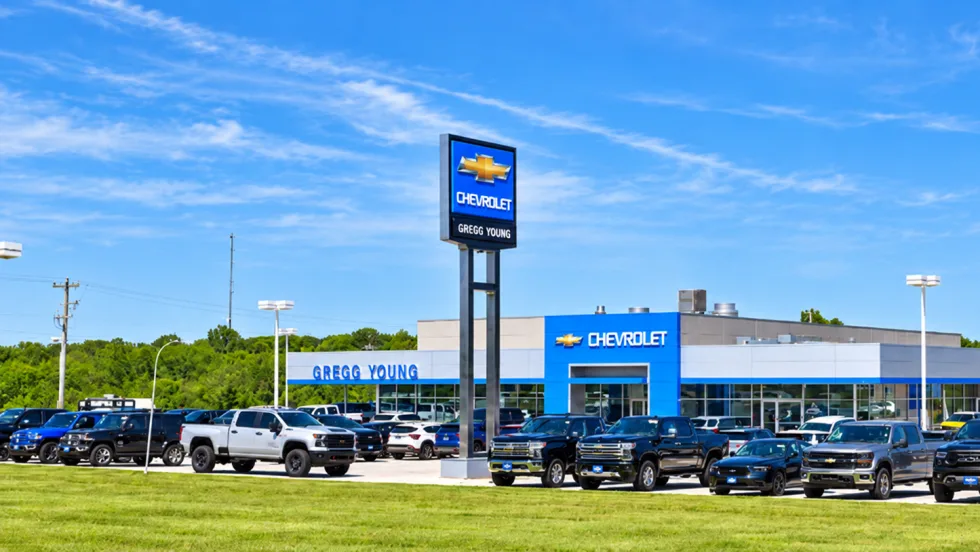
Nebraska Rooftop Changes Hands
The Gregg Young Automotive Group has sold its second dealership to Janssen Auto Group, both in Plattsmouth, Neb.
Read More →
Penske Auto Group Deal a Record
The deal to take the dealership and transportation services company private sets a new pace for industry buy-sell transactions.
Read More →
War Toll a Damper on Used Auto Prices
Cox Automotive found wholesale depreciation to be elevated in September amid high fuel prices and this year's unusual hurricane season.
Read More →
Bridge the Maintenance Gap
With many drivers missing recommended maintenance, service departments offering transparency and efficiency have a better chance of reaching financially strained consumers.
Read More →
California Store Has New Owner
The longtime dealership in the northern part of the state is known for robust fleet sales and has served the state capital for 115 years.
Read More →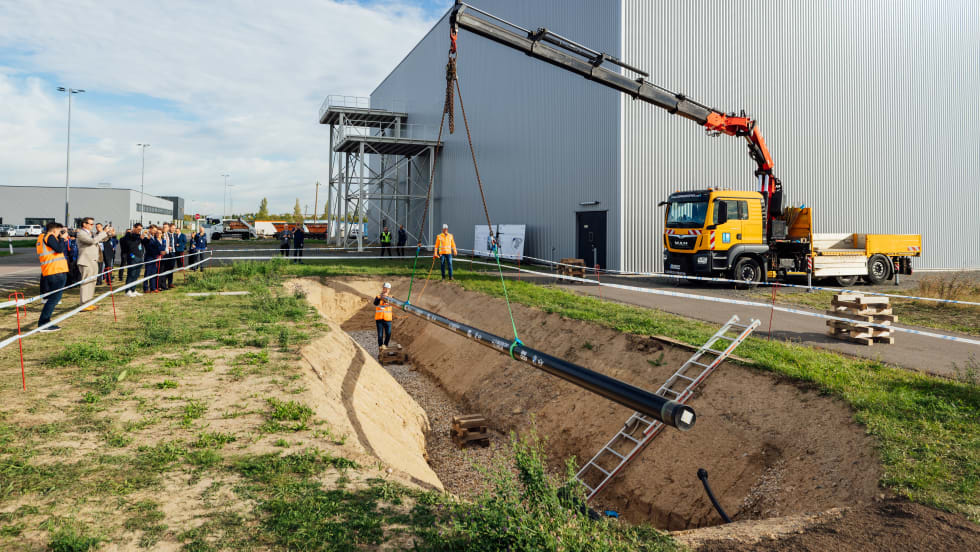
BMW Plant Pursues Cleaner Energy
BMW Group Plant Leipzig has utilized hydrogen to help power its production since 2013, but a new pipeline is planned to take it to another level.
Read More →
Auto Affordability Inches Up
The latest Cox Automotive and Moody’s Analytics index shows a slight increase in new-vehicle affordability despite high prices.
Read More →