



Several Brands Issue Recalls
Honda recalls 1.7 million vehicles due to a manufacturing error that can cause steering difficulty, while Porsche and Audi recall vehicles that present fire risk.

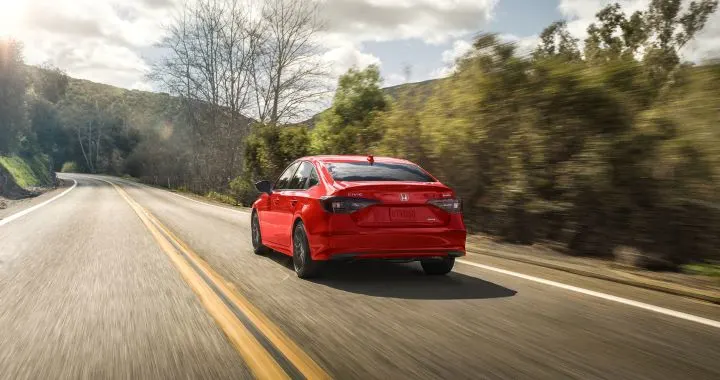
The 2025 Civic Hybrid is among 1.7 million vehicles the Japanese automaker recalled due to potential steering difficulty.
Honda
Honda issued a recall to address a steering-control issue that can increase the risk of a crash. The recall affects 1.7 million units among the following models:
2023 to 2025 Acura Integra, Civic Type R, CR-V Hybrid, CR-V and HR-V
2022 to 2025 Civic and Civic Hatchback
2024 to 2025 Acura Integra Type S
2025 CR-V Fuel Cell EV, Civic Hybrid and Civic Hatchback Hybrid
The vehicles’ steering gearbox assemblies may have been made incorrectly, resulting in undue internal friction that can cause steering difficulty, according to a recall notice on the National Highway Traffic Safety Administration website.
Honda dealers will replace the vehicles’ worm gear springs and apply grease as needed. The Japanese automaker is scheduled to mail recall notices to consumers on Nov. 18.
Recalls Due to Fire Risk
Meanwhile, two Volkswagen Group brands recalled thousands of electric vehicles over the potential for high-voltage batteries to short-circuit, presenting risk of fire.
Those recalls affect more than 27,000 Porsche Taycans of the 2021 to 2024 model years and about 6,500 Audis.
Porsche warned owners of affected Taycans to charge their batteries only to 80% capacity until they’re repaired. Dealers will replace any affected battery modules, including in vehicles repaired in previous recalls over the issue.
The German automaker is scheduled to mail recall notices to consumers on Nov. 29.
The Audi recall affects 2022 to 2024 E-Tron GTs and RS E-Tron GTs. In the first quarter of next year when a permanent remedy is expected to be ready, dealers will install diagnostic software to address the short-circuit issue, which also figured in earlier recalls. Meanwhile, dealers will apply interim fixes.
Audi also advised owners to charge the vehicles only to 80% battery capacity until repairs are done.
DIG DEEPER: Recall Reconnaissance
Originally posted on Auto Dealer Today
More Industry

Penske Auto Group Deal a Record
The deal to take the dealership and transportation services company private sets a new pace for industry buy-sell transactions.
Read More →
War Toll a Damper on Used Auto Prices
Cox Automotive found wholesale depreciation to be elevated in September amid high fuel prices and this year's unusual hurricane season.
Read More →
Bridge the Maintenance Gap
With many drivers missing recommended maintenance, service departments offering transparency and efficiency have a better chance of reaching financially strained consumers.
Read More →
California Store Has New Owner
The longtime dealership in the northern part of the state is known for robust fleet sales and has served the state capital for 115 years.
Read More →
BMW Plant Pursues Cleaner Energy
BMW Group Plant Leipzig has utilized hydrogen to help power its production since 2013, but a new pipeline is planned to take it to another level.
Read More →
Auto Affordability Inches Up
The latest Cox Automotive and Moody’s Analytics index shows a slight increase in new-vehicle affordability despite high prices.
Read More →
Ohio Auto Group Under New Ownership
After 79 years with the Schluter family, Mansfield Auto Group has been acquired by Missouri-based Clement Auto Group.
Read More →
RV Group Expands Carolina Footprint
Blue Compass RV Columbia Northeast is the 13th RV dealership owned by Blue Compass in the Carolinas.
Read More →
Agent Acumen
An Agent Summit panel of people who’ve been supporting auto dealers for years gave both timely and timeless advice for those starting out or mulling the prospect.
Read More →
Missed Maintenance Creates Opportunity
As families get back on the road and into daily school routines, service drives have an opportunity to capture customers who are behind on recommended vehicle maintenance.
Read More →