



S.E.C. Is Said to Be Seeking to Bar Ex-Auto Task Force Czar

As it investigates a suspected kickback scheme in New York’s pension system, the Securities and Exchange Commission has been pushing to bar Steven L. Rattner, a prominent financier and former adviser to the Obama administration on the auto industry, from working in the securities industry for up to three years, according to three people told of the discussions, The New York Times reported. But Rattner has fiercely resisted the proposed penalty, setting up a face-off with the federal government, according to these people, who spoke on the condition of anonymity because the negotiations are intended to be confidential. It would be the most severe penalty for any of the Wall Street executives ensnared in the wide-ranging pension investigation, and it would carry a significant stigma for Rattner, whose rise in high finance catapulted him to the top of New York’s social and political hierarchy. The S.E.C. and the New York attorney general, Andrew M. Cuomo, have suggested that Rattner improperly paid off a political operative to win lucrative business from the New York state pension fund — in one case, by arranging to help distribute a low-budget film for the brother of a pension fund official. Rattner’s former firm, the Quadrangle Group, paid million in fines to settle with state and federal officials in April, but Rattner was left out of that agreement because he would not accept the S.E.C.’s proposal that he be barred from working on Wall Street, people briefed on the case said. Now, the S.E.C. must decide whether to pursue separate civil charges against Rattner or drop the case altogether. The attorney’s general’s office is not involved in the S.E.C. talks: Rattner was granted immunity from criminal action by Cuomo’s office in return for his testimony before a grand jury, said a person briefed on the matter. That deal has complicated Cuomo’s case against Rattner. But Rattner’s immunity hinges on whether his testimony was accurate. And he could still face civil penalties from the attorney general. Spokesmen for the attorney general’s office and the S.E.C. declined to comment. A spokesman for Rattner also declined to comment.
More Industry

Penske Auto Group Deal a Record
The deal to take the dealership and transportation services company private sets a new pace for industry buy-sell transactions.
Read More →
War Toll a Damper on Used Auto Prices
Cox Automotive found wholesale depreciation to be elevated in September amid high fuel prices and this year's unusual hurricane season.
Read More →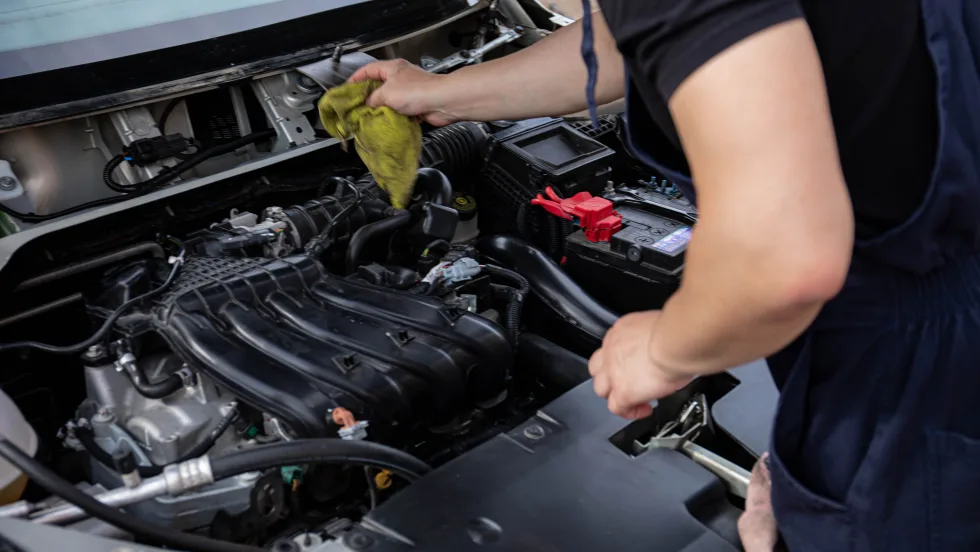
Bridge the Maintenance Gap
With many drivers missing recommended maintenance, service departments offering transparency and efficiency have a better chance of reaching financially strained consumers.
Read More →
California Store Has New Owner
The longtime dealership in the northern part of the state is known for robust fleet sales and has served the state capital for 115 years.
Read More →
BMW Plant Pursues Cleaner Energy
BMW Group Plant Leipzig has utilized hydrogen to help power its production since 2013, but a new pipeline is planned to take it to another level.
Read More →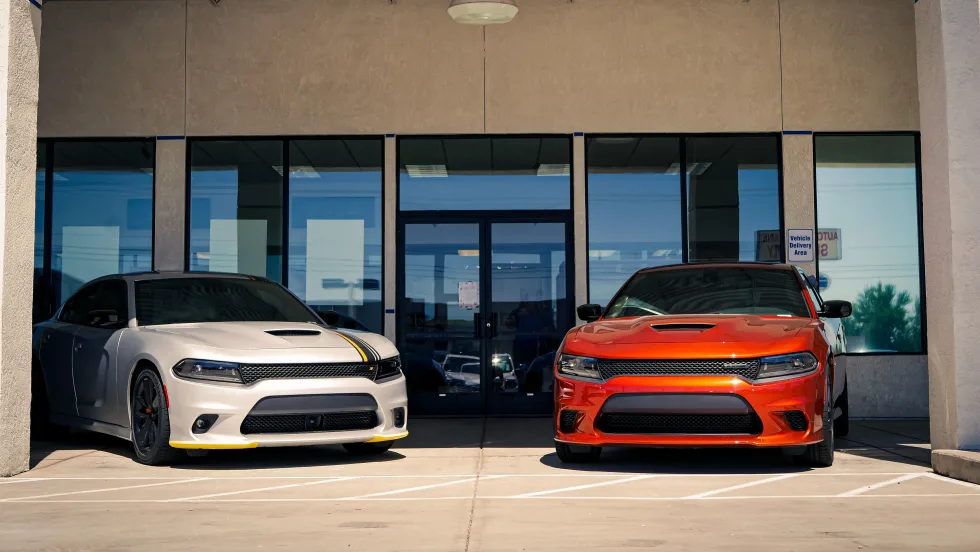
Auto Affordability Inches Up
The latest Cox Automotive and Moody’s Analytics index shows a slight increase in new-vehicle affordability despite high prices.
Read More →
Ohio Auto Group Under New Ownership
After 79 years with the Schluter family, Mansfield Auto Group has been acquired by Missouri-based Clement Auto Group.
Read More →
RV Group Expands Carolina Footprint
Blue Compass RV Columbia Northeast is the 13th RV dealership owned by Blue Compass in the Carolinas.
Read More →
Agent Acumen
An Agent Summit panel of people who’ve been supporting auto dealers for years gave both timely and timeless advice for those starting out or mulling the prospect.
Read More →
Missed Maintenance Creates Opportunity
As families get back on the road and into daily school routines, service drives have an opportunity to capture customers who are behind on recommended vehicle maintenance.
Read More →