



SAAR Falls to 18-Month Low After Slow February
U.S. dealers sold 1.27 million new cars and light trucks in February, a 2.9% year-over-year decline and the industry’s weakest two-month start in five years.

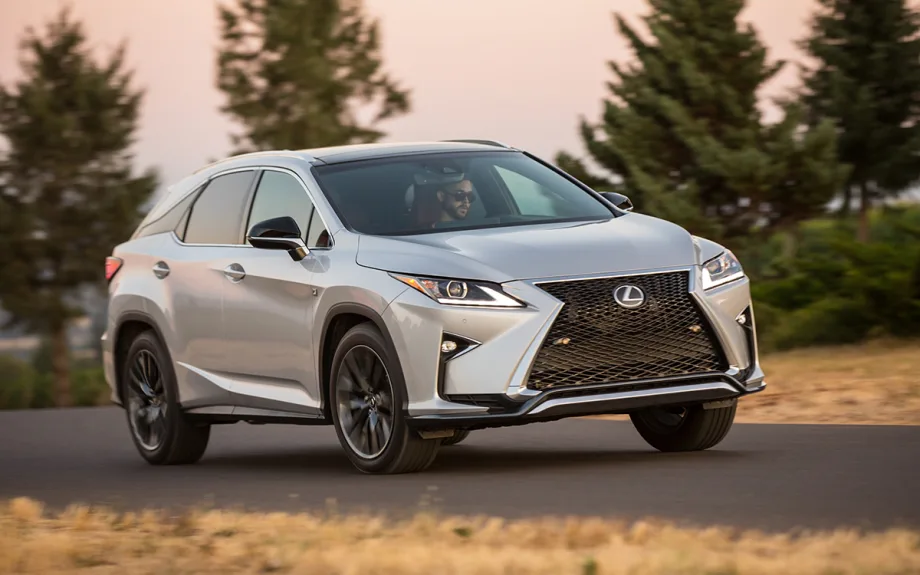
Toyota’s Lexus division enjoyed a 4.4% year-over-year gain in February’s U.S. light-vehicle sales report, but the automaker posted a 5.2% overall decline, joining all but a few of its competitors in a slow start to 2019.
Photo courtesy Toyota Motor Sales USA
(Bobit) — The seasonally adjusted annualized rate for 2019 light-vehicle sales fell to 16.58 million after U.S. dealers sold only 1.27 million new units in February, according to reports and estimates compiled by Automotive News. That’s a 2.9% decline from the same month a year ago. Experts blame slowing demand for SUVs, a growing affordability gap between new and used vehicles, and severe winter weather, among other factors.
“In addition, U.S. consumers are expecting lower tax returns, which may impact timing of some purchases,” said Stephanie Brinley, principal automotive analyst, IHS Markit. “Slow increases in interest rates and a reported increase in the average price of a new vehicle also suggest affordability headwinds may be coming into play.”
Among the automakers reporting increases were Jaguar Land Rover (29%), Hyundai-Kia (4.4%), and Subaru (3.9%). Subaru enjoyed its 86th consecutive month of improved U.S. sales.
But most factories posted year-over-year declines, led by Mercedes-Benz and Nissan, both of which saw new-unit sales fall by 12% compared with February 2018. Toyota (-5.2%) and Fiat Chrysler (-2.3%) also saw declines despite estimable gains by their Lexus (up 4.4%) and Ram (24%) divisions.
Ford and General Motors no longer announce monthly sales figures. Automotive News estimates Ford’s February sales were down 4.4% and GM declined by 5.3%. All told, it’s the weakest start to a new-vehicle sales year since 2014.
“January and February are typically slower sales months in the U.S., however, and there remains expectation that the slower pace in 2019 sales should support a profitable and strong automotive industry,” Brimley said.
Originally posted on Auto Dealer Today
More Industry
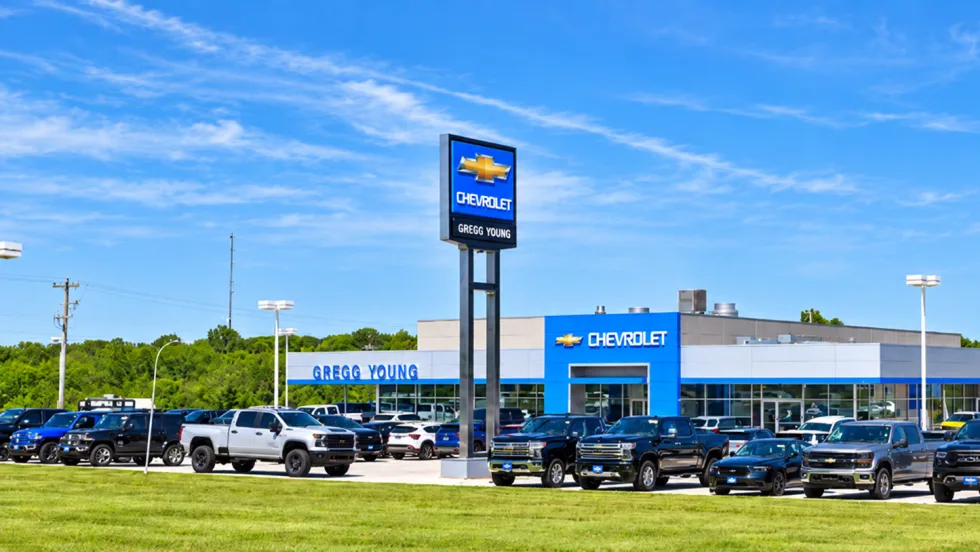
Nebraska Rooftop Changes Hands
The Gregg Young Automotive Group has sold its second dealership to Janssen Auto Group, both in Plattsmouth, Neb.
Read More →
Penske Auto Group Deal a Record
The deal to take the dealership and transportation services company private sets a new pace for industry buy-sell transactions.
Read More →
War Toll a Damper on Used Auto Prices
Cox Automotive found wholesale depreciation to be elevated in September amid high fuel prices and this year's unusual hurricane season.
Read More →
Bridge the Maintenance Gap
With many drivers missing recommended maintenance, service departments offering transparency and efficiency have a better chance of reaching financially strained consumers.
Read More →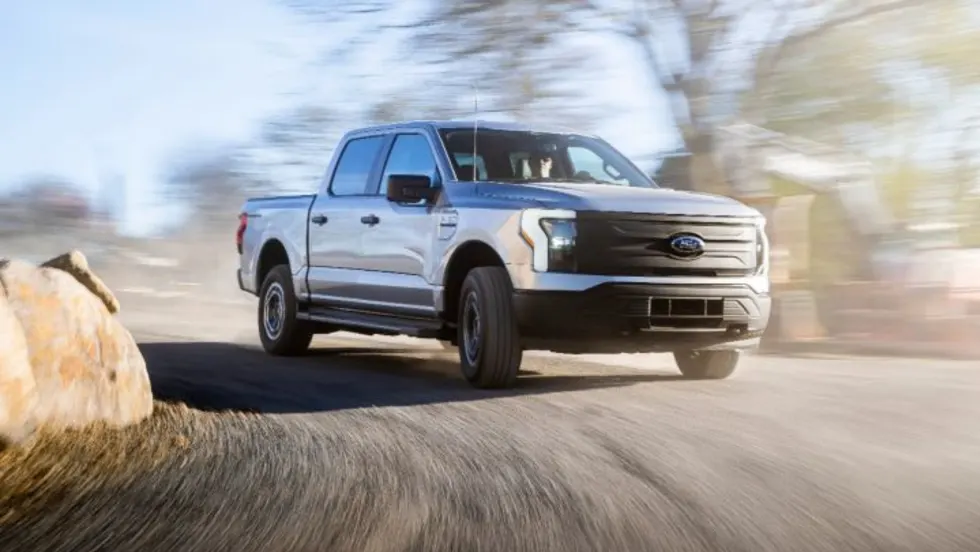
California Store Has New Owner
The longtime dealership in the northern part of the state is known for robust fleet sales and has served the state capital for 115 years.
Read More →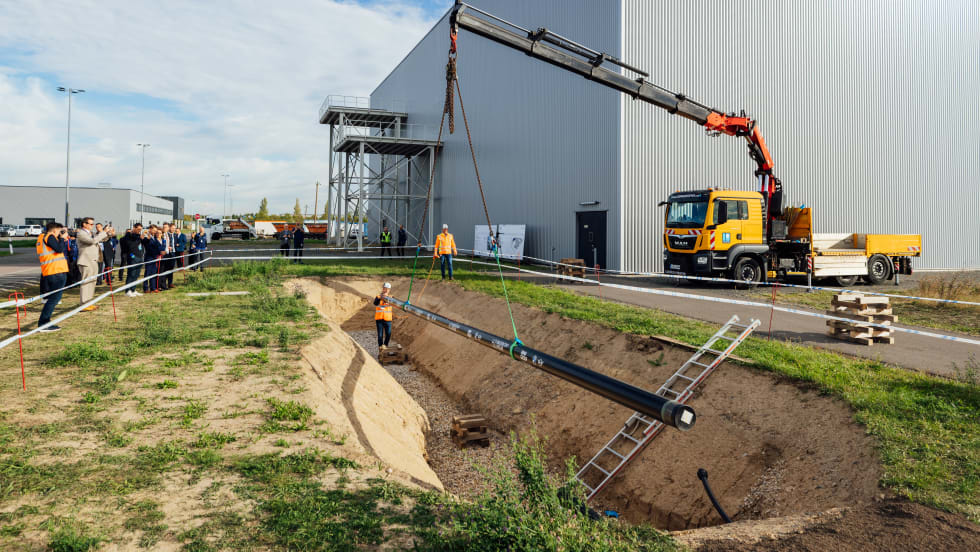
BMW Plant Pursues Cleaner Energy
BMW Group Plant Leipzig has utilized hydrogen to help power its production since 2013, but a new pipeline is planned to take it to another level.
Read More →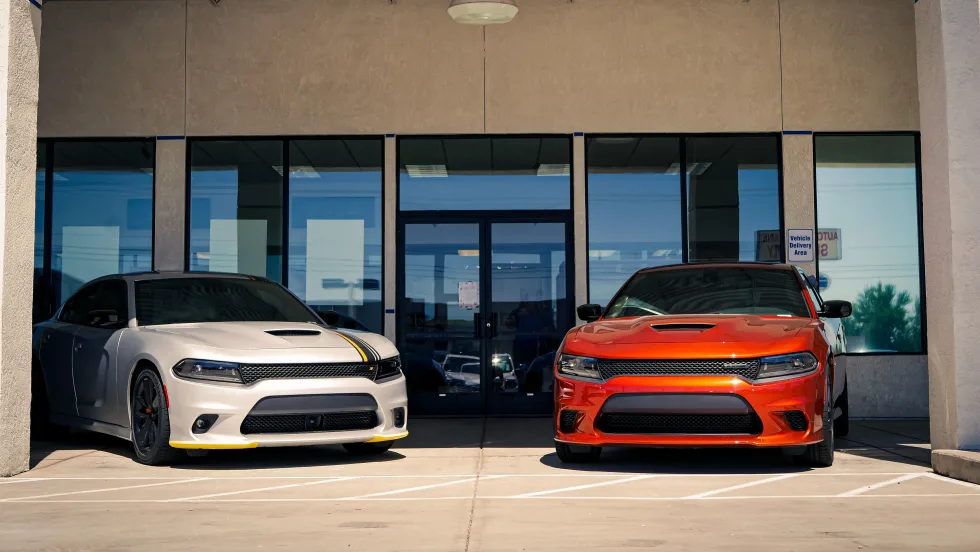
Auto Affordability Inches Up
The latest Cox Automotive and Moody’s Analytics index shows a slight increase in new-vehicle affordability despite high prices.
Read More →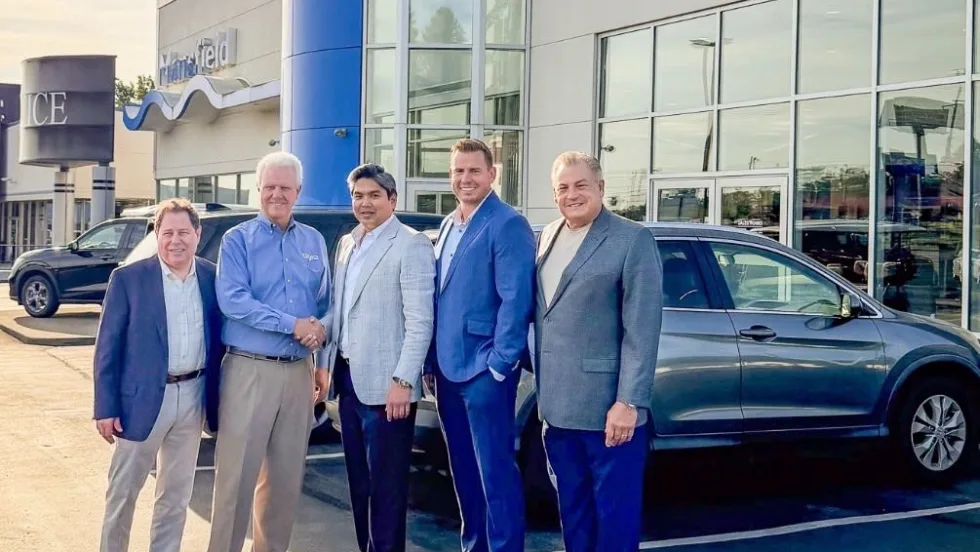
Ohio Auto Group Under New Ownership
After 79 years with the Schluter family, Mansfield Auto Group has been acquired by Missouri-based Clement Auto Group.
Read More →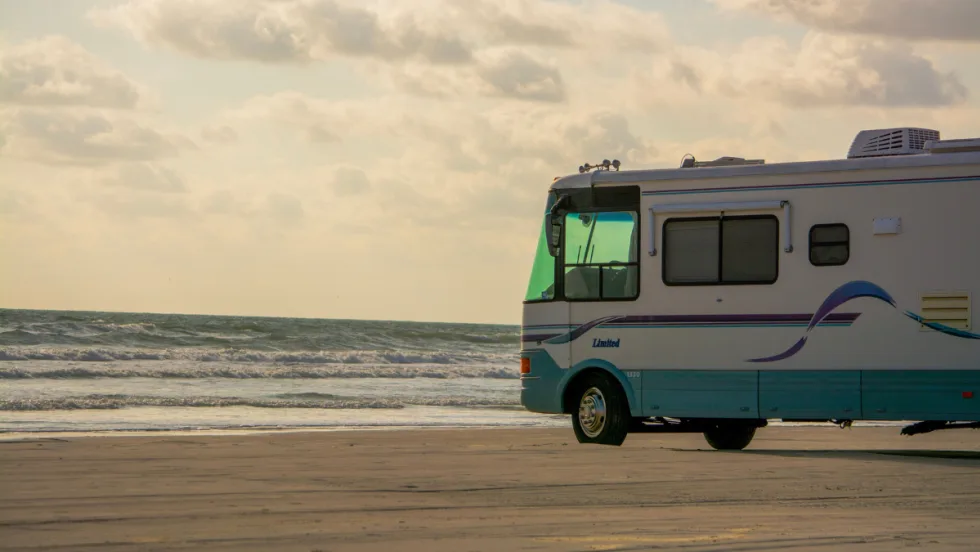
RV Group Expands Carolina Footprint
Blue Compass RV Columbia Northeast is the 13th RV dealership owned by Blue Compass in the Carolinas.
Read More →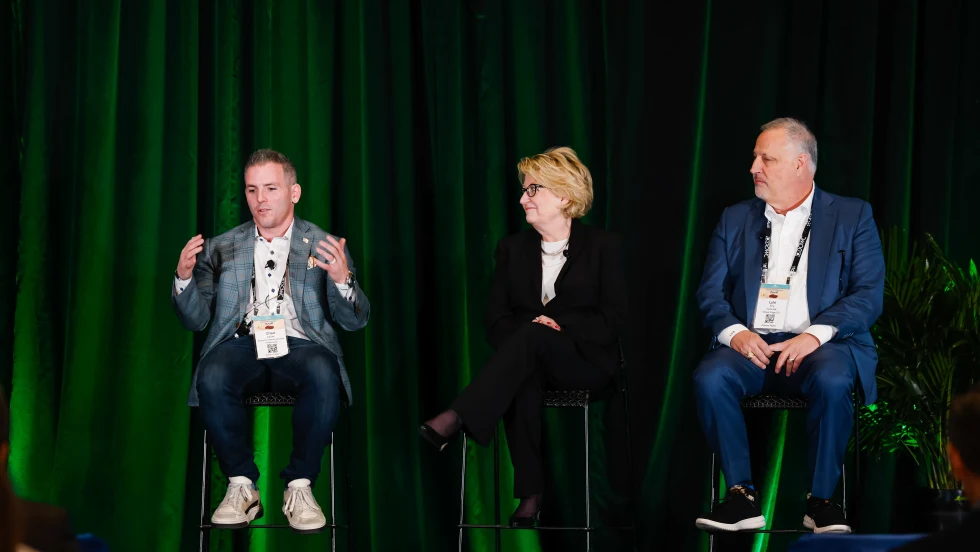
Agent Acumen
An Agent Summit panel of people who’ve been supporting auto dealers for years gave both timely and timeless advice for those starting out or mulling the prospect.
Read More →