



Rule Would Require AEB in New Cars
Proposal intended to protect pedestrians and reduce traffic deaths and injuries overall.

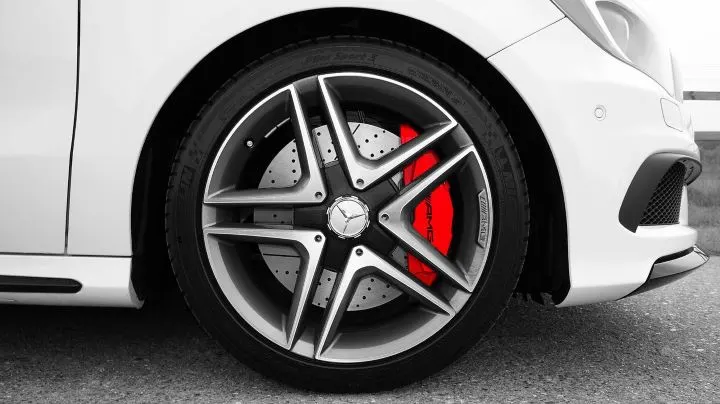
The Transportation Department says the rule would dramatically cut accidents involving pedestrians and rear-end collisions.
IMAGE: Pixabay/Mikes-Photography
The U.S. Transportation Department has proposed that most new light vehicles come with automatic emergency braking.
It says the rule, if adopted, would dramatically cut accidents involving pedestrians and rear-end collisions, saving at least 360 people’s lives and preventing 24,000 injuries each year.
“Many crashes would be avoided altogether, while others would be less destructive,” the department said in a press release announcing the proposed rule.
It’s part of an effort the department started last year to address what it calls a national crisis in traffic fatalities and serious injuries. Many late-model vehicles already have the technology, but the rule would make it a requirement.
“Just as lifesaving innovations from previous generations like seat belts and air bags have helped improve safety, requiring automatic emergency braking on cars and trucks would keep all of us safer on our roads,” said Transportation Secretary Pete Buttigieg.
The rule would require an autonomous emergency braking system, or AEB, which tracks the road in front of a moving vehicle and stops the vehicle to avoid any collisions if the driver hasn’t done so. It would also apply additional braking force to supplement the driver’s braking if needed to avoid or lessen the severity of a crash.
The proposal is part of the infrastructure law passed by Congress in 2021. If adopted, AEB systems would be required in new vehicles within three years of it being finalized. There’ll be a 60-day public comment period on the proposal before it’s final.
Originally posted on Auto Dealer Today
More Industry

Auto Affordability Inches Up
The latest Cox Automotive and Moody’s Analytics index shows a slight increase in new-vehicle affordability despite high prices.
Read More →
Ohio Auto Group Under New Ownership
After 79 years with the Schluter family, Mansfield Auto Group has been acquired by Missouri-based Clement Auto Group.
Read More →
RV Group Expands Carolina Footprint
Blue Compass RV Columbia Northeast is the 13th RV dealership owned by Blue Compass in the Carolinas.
Read More →
Agent Acumen
An Agent Summit panel of people who’ve been supporting auto dealers for years gave both timely and timeless advice for those starting out or mulling the prospect.
Read More →
Missed Maintenance Creates Opportunity
As families get back on the road and into daily school routines, service drives have an opportunity to capture customers who are behind on recommended vehicle maintenance.
Read More →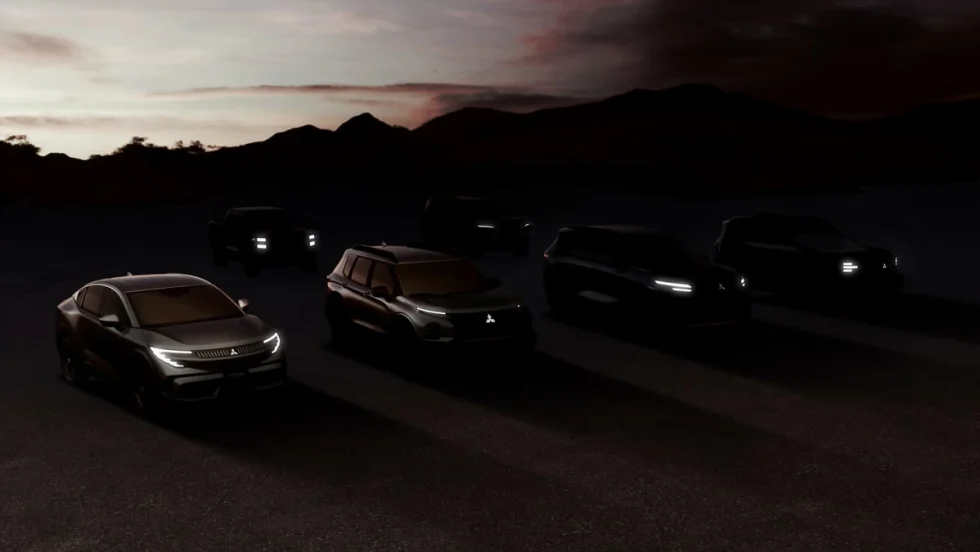
Mitsubishi Unveils U.S. Plan
The automaker announced a strategy that includes an expanded lineup and dealership presence, along with more ‘rugged’ and electric models.
Read More →
Selling to Grow
The question of whether you should sell your agency and if so, when, is up to you. But it’s a question worth asking to ensure you keep the business on the right path for yourself, employees and clients.
Read More →
Recalled Vehicles Hit 5-Year High
Though the number of events has fallen so far this year, impacted units are up significantly. Meanwhile, regulators consider consumer notification changes.
Read More →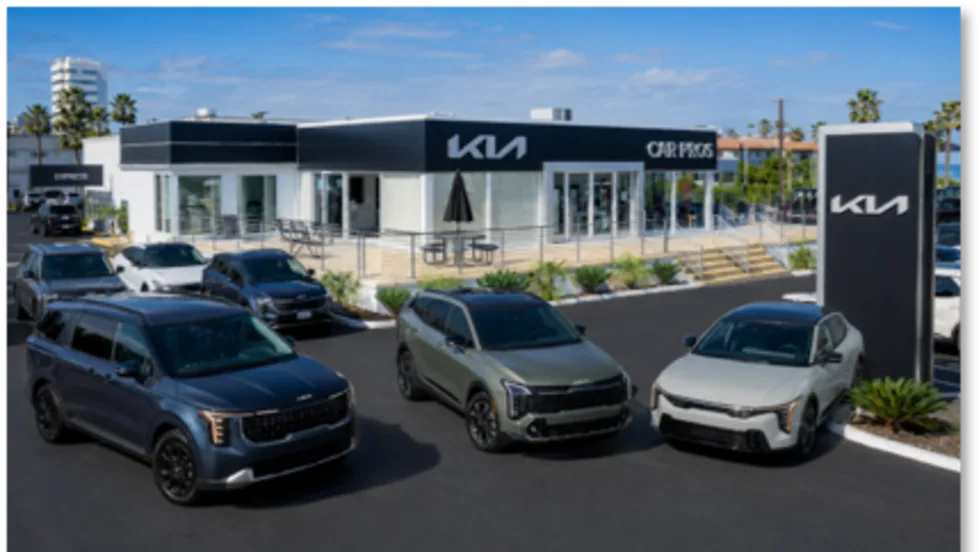
Auto Group Acquires Top-Performing Rooftop
Car Pros sold its Kia Huntington Beach location to Sutherlin Automotive Group, marking the buyer’s third location in Southern California.
Read More →
China as Pacesetter
Automotive leaders huddled on where North America stands in the global picture and how it can strengthen its position against the Asian juggernaut’s surging industry.
Read More →