




Related: Helping the Credit-Crunched
Report Uncovers $4.7B Opportunity for Auto Dealers
Solving mismatched payment quotes can boost sales, profits
November 14, 2025

A new report finds that inaccurate payment quotes can lead to lost sales, reduced gross, and longer F&I times as dealers work to reconcile lender-approved terms.
Credit:
F&I and Showroom
3 min to read
A new report by eLEND Solutions highlights how gaps between initial payment quotes provided by dealerships and lender-approved contract terms continue to erode sales, slow deal flow, and reduce front-end gross. The analysis — based on thousands of consumer credit applications — estimates an average $515,000 in lost profit per dealership, per year tied directly to the discrepancies.
Survey responses from dealership and finance-and-insurance professionals validated the findings, the company said. Most respondents agreed lender-approved monthly payments come in at least $32 higher for new vehicles and $36 higher for used vehicles than the initial payment terms quoted — excluding any dealer markup or required down-payment increases.
“Car buyers are receiving inaccurate initial information that is significantly undermining the customer experience,” said eLEND Solutions CEO and founder Pete MacInnis. “With so many lender terms coming in higher than the initial quote, it’s not surprising that 60% of credit applications do not receive approval decisions.”
How Payment Gaps Disrupt Sales and Profitability
According to the survey, affordability pressures have made accurate payment quoting more critical than ever. But the gap between dealer-generated payment estimates and lender decisions is driving reworked deals, lost sales, and reduced gross, eLEND said.
Respondents reported that up to 30% of new-vehicle deals must be repenciled due to mismatches, and that front-end profit is frequently cut to keep deals together. Nearly all respondents - 93% - said the gaps directly contribute to lost sales and longer F&I times.
A primary cause: Fewer lenders are providing traditional rate sheet bulletin guidance. Most respondents said more than half of lenders have discontinued the bulletins, leaving dealers without standardized payment qualification information.
MacInnis pointed to the rise of artificial intelligence-driven lender pricing models as a key factor. The systems evaluate multiple borrower and vehicle attributes — beyond credit score — to set individualized pricing. Without upfront access to the lender-specific models, dealers are “flying blind” when quoting payments.
A Significant Opportunity if the Gap Is Closed
Despite the challenges, eLEND sees substantial upside if quote-to-terms alignment improves. Survey analysis suggests the average dealership could recover more than $237,000 in lost sales revenue and $278,000 in F&I revenue annually.
“If lenders’ proprietary AI-driven loan programs move forward in the sales negotiation process, the mismatch gap could end,” MacInnis said. “For franchise dealers, the total opportunity is an estimated $4.7 billion annually.”
Key Survey Data Highlights
82% agreed that fewer than 40% of submitted credit applications receive lender approval decisions.
83% said lender-approved payments on new vehicles average $32 per month higher than initial quotes.
88% said lender-approved payments on used vehicles average $36 per month higher than initial quotes.
87% said front-end gross on used vehicles is reduced when lender terms exceed the initial quote; 56% said the reduction is $300 or more.
85% reported that new-vehicle deals must be reworked due to initial quote mismatches, 40% saying 30% or more of sales are affected.
87% said more lenders have stopped issuing standard rate sheet bulletins; 54% estimated more than half have discontinued them.
40% said resolving payment discrepancies adds 31 to 45 minutes or more to the sales and F&I process.
78% said finance penetration could increase by 11% or more if initial quotes aligned with lender decisions before reaching F&I.
Originally posted on F&I and Showroom
More Industry

Penske Auto Group Deal a Record
The deal to take the dealership and transportation services company private sets a new pace for industry buy-sell transactions.
Read More →
War Toll a Damper on Used Auto Prices
Cox Automotive found wholesale depreciation to be elevated in September amid high fuel prices and this year's unusual hurricane season.
Read More →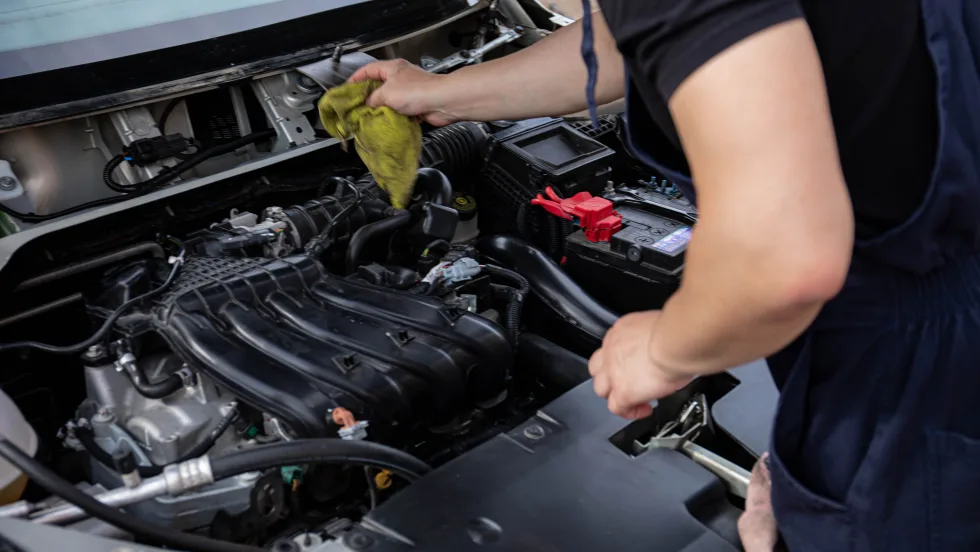
Bridge the Maintenance Gap
With many drivers missing recommended maintenance, service departments offering transparency and efficiency have a better chance of reaching financially strained consumers.
Read More →
California Store Has New Owner
The longtime dealership in the northern part of the state is known for robust fleet sales and has served the state capital for 115 years.
Read More →
BMW Plant Pursues Cleaner Energy
BMW Group Plant Leipzig has utilized hydrogen to help power its production since 2013, but a new pipeline is planned to take it to another level.
Read More →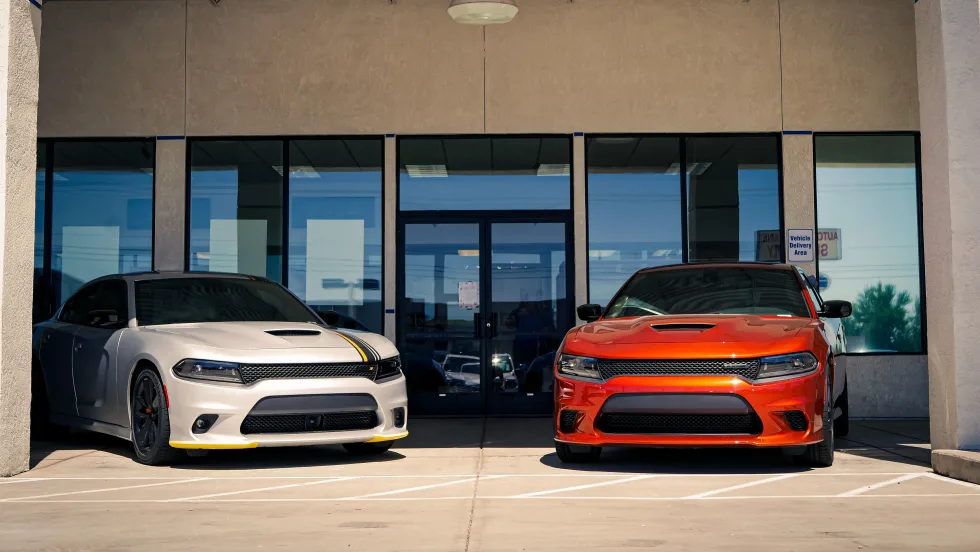
Auto Affordability Inches Up
The latest Cox Automotive and Moody’s Analytics index shows a slight increase in new-vehicle affordability despite high prices.
Read More →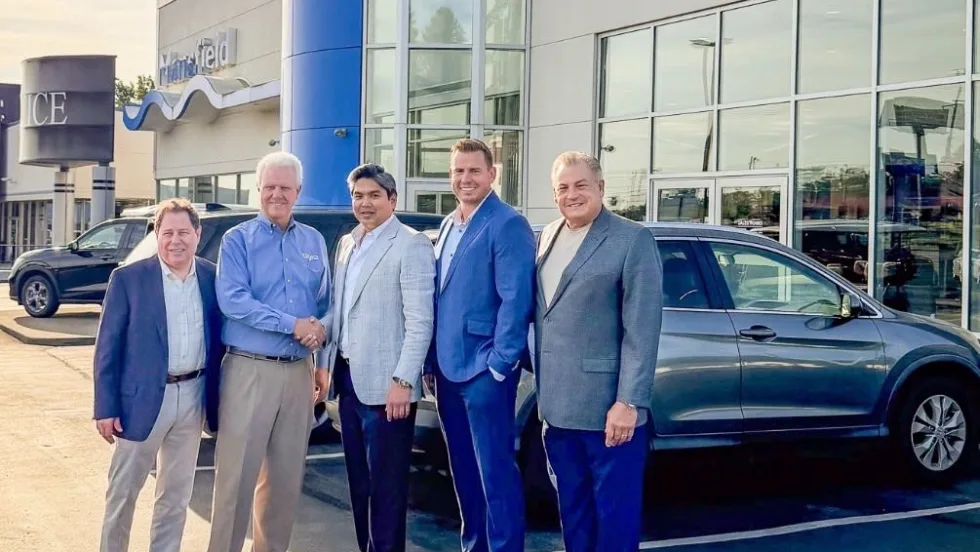
Ohio Auto Group Under New Ownership
After 79 years with the Schluter family, Mansfield Auto Group has been acquired by Missouri-based Clement Auto Group.
Read More →
RV Group Expands Carolina Footprint
Blue Compass RV Columbia Northeast is the 13th RV dealership owned by Blue Compass in the Carolinas.
Read More →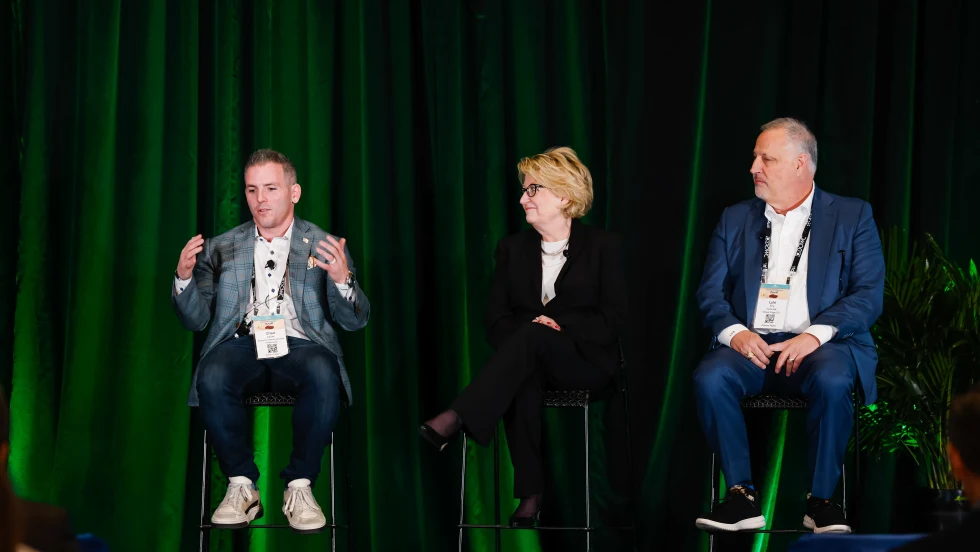
Agent Acumen
An Agent Summit panel of people who’ve been supporting auto dealers for years gave both timely and timeless advice for those starting out or mulling the prospect.
Read More →
Missed Maintenance Creates Opportunity
As families get back on the road and into daily school routines, service drives have an opportunity to capture customers who are behind on recommended vehicle maintenance.
Read More →