



Report Ranks States on Transportation Spending
California, Massachusetts and Vermont came out on top for what the Natural Resources Defense Council considers their sustainable and equitable transportation plans.

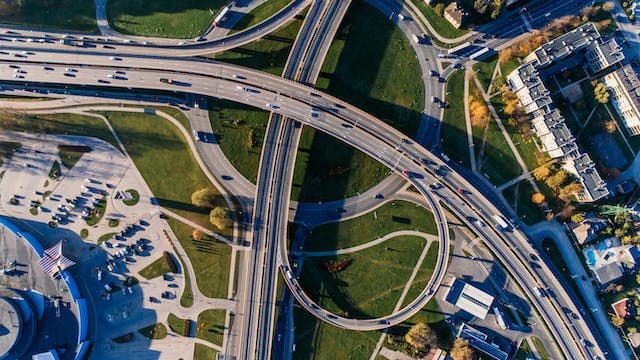
The report suggests funding is needed for vehicle charging stations, public transportation, and bicycle and pedestrian projects, rather than solely highway expansion.
IMAGE: Pexels
The Natural Resources Defense Council, in a new scorecard ranking states on their transportation policies and spending priorities, places California, Massachusetts and Vermont highest.
Alaska, Montana and Mississippi came in at the bottom of the "Getting Transportation Right: Ranking the States in Light of New Federal Funding" scorecard.
The ranking comes two years after passage of the Bipartisan Infrastructure Law, which provided new funding for bridges, roads, bike infrastructure and public transportation. It emphasizes funding for vehicle charging stations, public transportation and bicycle and pedestrian projects, rather than solely highway expansion.
“With the infrastructure law in place, this is a historic opportunity to invest in the kinds of transportation projects that will address inequity while tackling the climate crisis,” said John Bailey, the council's transportation advocate and the scorecard’s co-author, in a press release.
“We can’t shovel new money into the policies and plans of the past. Instead of just pouring more pavement, states need to invest on the best ways to move people to opportunity, reconnect communities, and build a climate-safe transportation sector.”
The report grades and ranks states based on transportation plans for sustainability and equity. It evaluates efforts against 22 key metrics, including procurement practices, electric-vehicle rebate programs, emissions reduction goals, road maintenance prioritization, and clean-car standards.
The report can help states prioritize projects, according to Shruti Vaidyanathan, the council's director of federal transportation.
“The scorecard provides a clear roadmap for state leaders to invest in projects that will provide real benefits to their residents while building a sustainable transportation system."
Originally posted on Auto Dealer Today
More Industry

Penske Auto Group Deal a Record
The deal to take the dealership and transportation services company private sets a new pace for industry buy-sell transactions.
Read More →
War Toll a Damper on Used Auto Prices
Cox Automotive found wholesale depreciation to be elevated in September amid high fuel prices and this year's unusual hurricane season.
Read More →
Bridge the Maintenance Gap
With many drivers missing recommended maintenance, service departments offering transparency and efficiency have a better chance of reaching financially strained consumers.
Read More →
California Store Has New Owner
The longtime dealership in the northern part of the state is known for robust fleet sales and has served the state capital for 115 years.
Read More →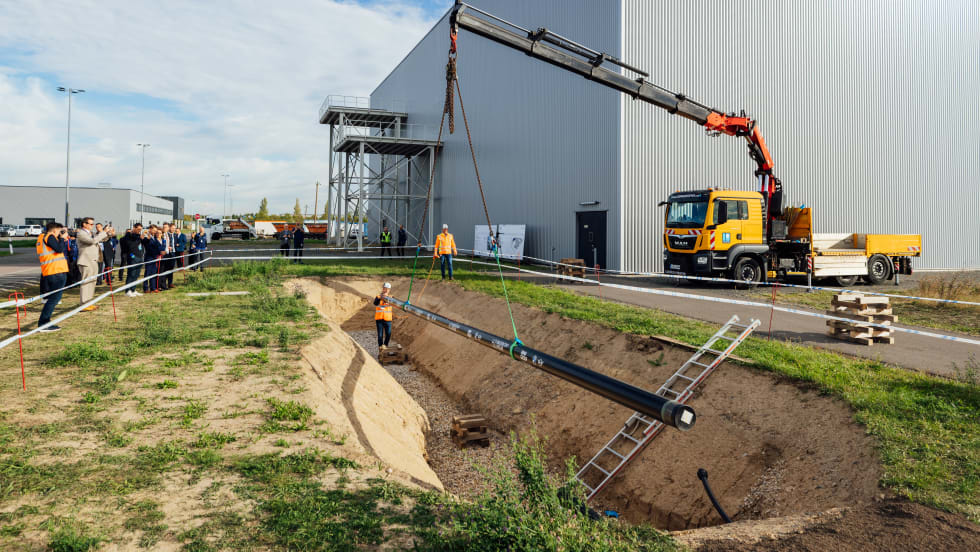
BMW Plant Pursues Cleaner Energy
BMW Group Plant Leipzig has utilized hydrogen to help power its production since 2013, but a new pipeline is planned to take it to another level.
Read More →
Auto Affordability Inches Up
The latest Cox Automotive and Moody’s Analytics index shows a slight increase in new-vehicle affordability despite high prices.
Read More →
Ohio Auto Group Under New Ownership
After 79 years with the Schluter family, Mansfield Auto Group has been acquired by Missouri-based Clement Auto Group.
Read More →
RV Group Expands Carolina Footprint
Blue Compass RV Columbia Northeast is the 13th RV dealership owned by Blue Compass in the Carolinas.
Read More →
Agent Acumen
An Agent Summit panel of people who’ve been supporting auto dealers for years gave both timely and timeless advice for those starting out or mulling the prospect.
Read More →
Missed Maintenance Creates Opportunity
As families get back on the road and into daily school routines, service drives have an opportunity to capture customers who are behind on recommended vehicle maintenance.
Read More →