



Privacy4Cars Awarded Three More Patents
Product progress comes as new regulations require deletion of consumer personal data stored in vehicles in New Jersey and Illinois.

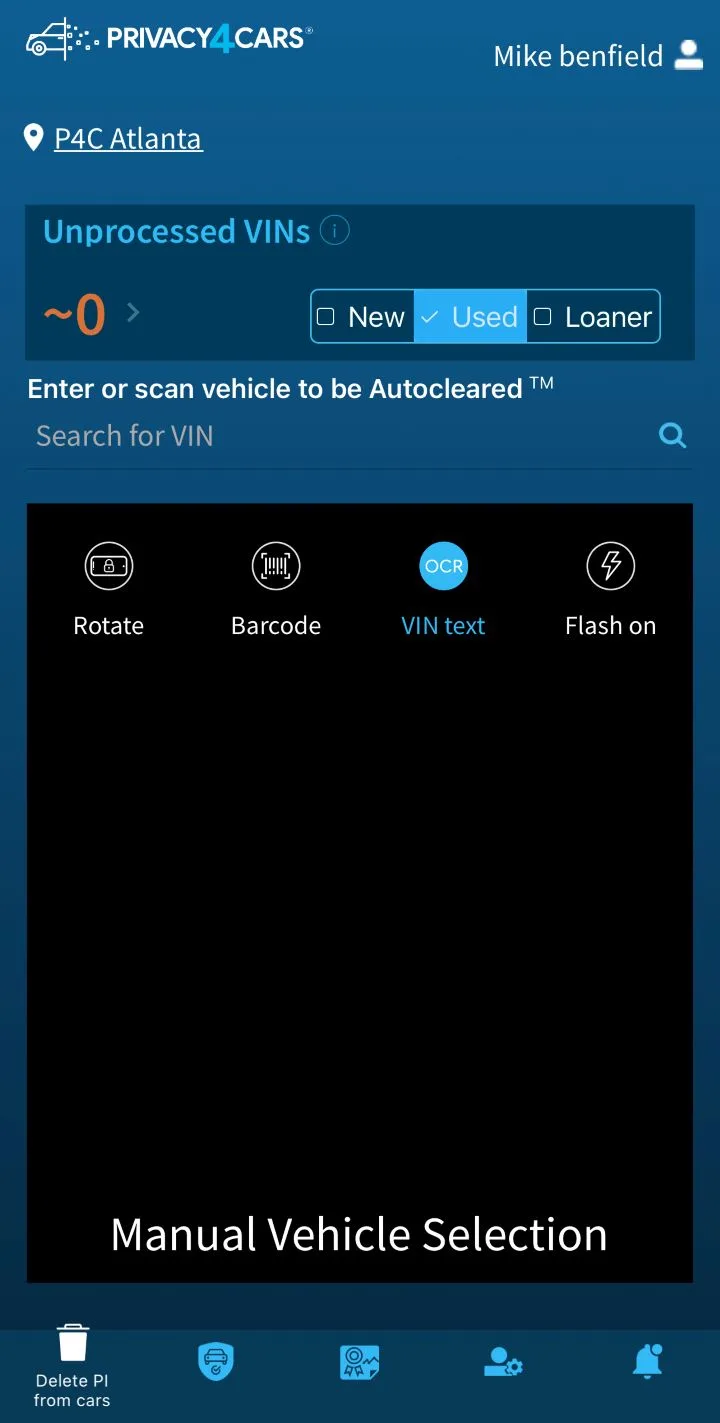
Company's vehicle identification number scanning capability
Privacy4Cars
Privacy4Cars, a privacy-tech company focused on solving privacy and security issues posed by vehicle data to protect consumers and automotive businesses, said the U.S. Patent Office approved three new patents of the company's.
Two are novel areas of expansion for Privacy4Cars:
"Artificial Intelligence Based System and Method for Generating Dynamically Variable Multi-Dimensional Privacy Rating for Vehicles" is the first patent and covers how to build privacy rating systems in automotive, a space Privacy4Cars pioneered with Vehicle Privacy Report, which launched in 2023 as a free tool for consumers and a merchandising solution for dealerships. It includes the world's first privacy labeling system covering about 600 million vehicles across the US, Canada, the United Kingdom, and the European Union.
"Methods and Systems to Reduce Privacy Invasion and Methods and Systems to Thwart Same" is a novel approach to defeating artificial intelligence and computer vision systems that are increasingly used to invade consumers' privacy. Originally developed to dramatically decrease the accuracy of automated license plate readers without illegally altering plates, it has much broader applicability to reduce the reliability of systems that collect biometrics, use facial recognition, and other image-based IDs.
The third patent is an expansion of the company's signature method to delete personal information stored in vehicles and to create records of deletion. Companies already rely on Privacy4Cars' AutoCleared data-deletion service, and its distinctive IP now includes six patents.
The news of the expanded patent portfolio closely follows Privacy4Cars' recent successful financing round. In December, it secured a multi-million dollar debt facility with SaaS Capital, a provider of growth debt to software-as-a-service companies, to provide additional nondilutive growth capital.
It comes at a pivotal time, as there has been an increased focus and action on the part of regulators to improve privacy in vehicles across the globe. This includes the first two laws to specifically mandate a process to delete the personal information of consumers stored in vehicles exchanging hands.
"As vehicle technology evolves and new legislation emerges to protect consumers' privacy, the need to innovate - and advocate - for better privacy tools in the automotive space has never been greater," said Privacy4Cars founder and CEO Andrea Amico. "The issuance of these three new patents is a testament to our unwavering commitment to driving privacy. Through these new patents, we will be able to offer new privacy tools for consumers and auto businesses, alike."
Privacy4Cars' newly awarded patents will fuel the expansion of its product offering, adding to its suite of privacy tools. Its patented AutoCleared has been used in nearly 1.5 million vehicles to efficiently manage, execute and log the deletion of personal information from cars (phone numbers, call logs, location history, garage door codes, and more). Its Vehicle Privacy Report tool is a solution for privacy disclosures and has been visited over 250,000 times through word of mouth. In March, Vehicle Privacy Report smart labels had over 10 million impressions on participating dealership websites. Both services are free to consumers and offered as a solution for businesses seeking to grow trust, engagement, and compliance standards through privacy.
Privacy4Cars launched in 2018 and serves auto finance companies, fleets and fleet management companies, and franchised and independent dealerships. Many of today's top organizations in the automotive space - including several OEMs, captives and large dealer groups - have adopted the data-deletion service powered by the Privacy4Cars platform, and a growing number of industry associations are speaking out about the need to clear personal information from cars, and tapping Privacy4Cars as a resource to educate members.
Originally posted on Auto Dealer Today
More Industry
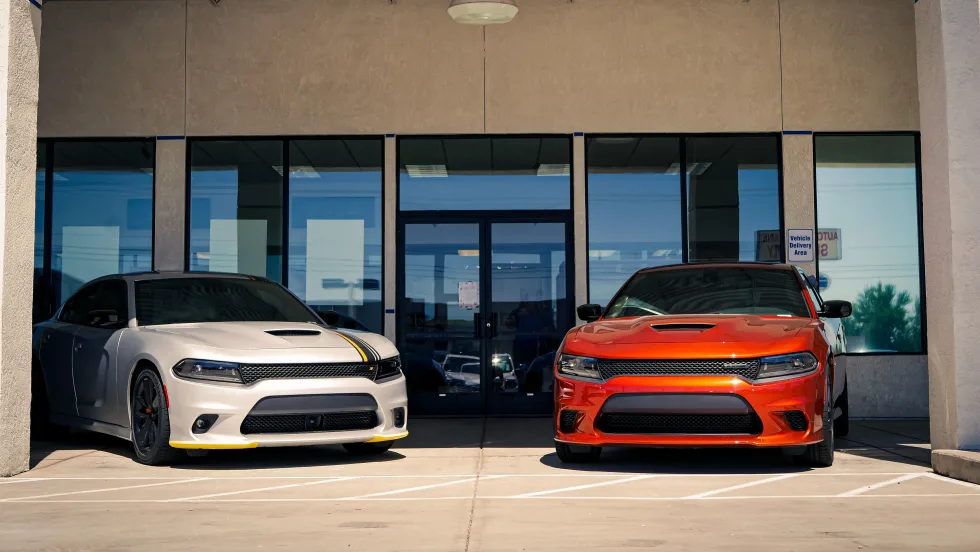
Auto Affordability Inches Up
The latest Cox Automotive and Moody’s Analytics index shows a slight increase in new-vehicle affordability despite high prices.
Read More →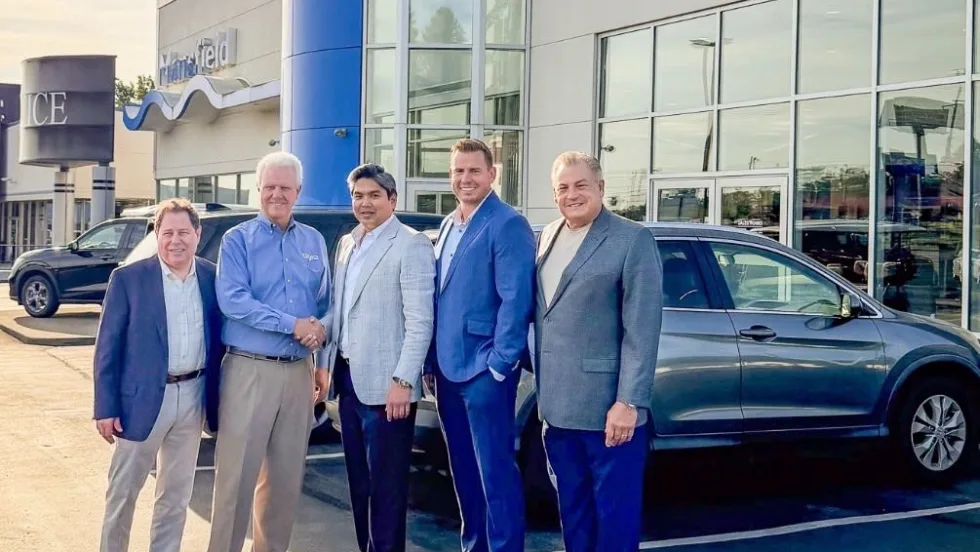
Ohio Auto Group Under New Ownership
After 79 years with the Schluter family, Mansfield Auto Group has been acquired by Missouri-based Clement Auto Group.
Read More →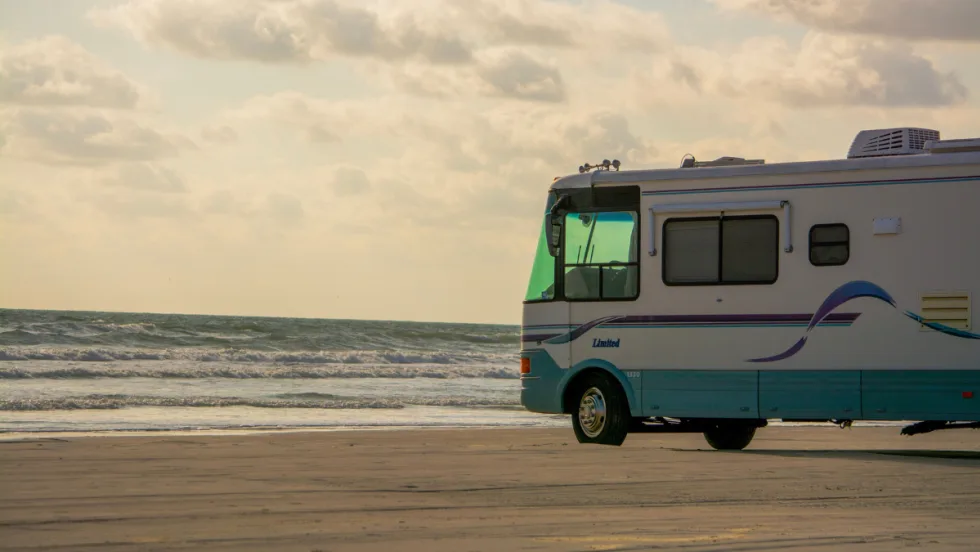
RV Group Expands Carolina Footprint
Blue Compass RV Columbia Northeast is the 13th RV dealership owned by Blue Compass in the Carolinas.
Read More →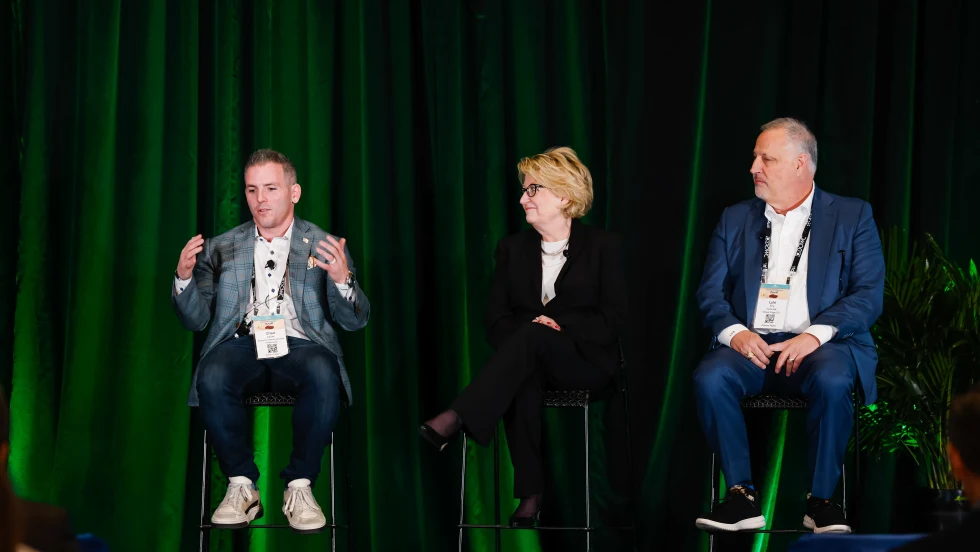
Agent Acumen
An Agent Summit panel of people who’ve been supporting auto dealers for years gave both timely and timeless advice for those starting out or mulling the prospect.
Read More →
Missed Maintenance Creates Opportunity
As families get back on the road and into daily school routines, service drives have an opportunity to capture customers who are behind on recommended vehicle maintenance.
Read More →
Mitsubishi Unveils U.S. Plan
The automaker announced a strategy that includes an expanded lineup and dealership presence, along with more ‘rugged’ and electric models.
Read More →
Selling to Grow
The question of whether you should sell your agency and if so, when, is up to you. But it’s a question worth asking to ensure you keep the business on the right path for yourself, employees and clients.
Read More →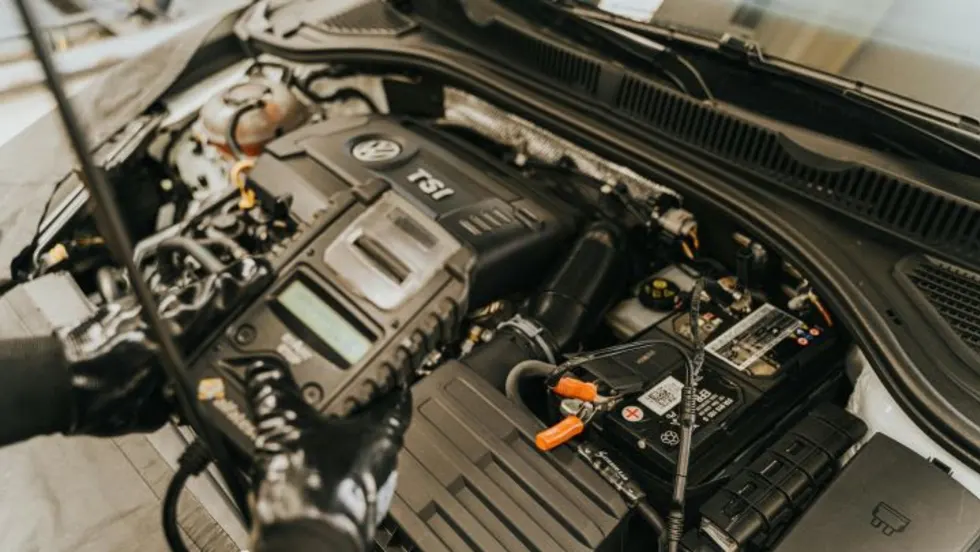
Recalled Vehicles Hit 5-Year High
Though the number of events has fallen so far this year, impacted units are up significantly. Meanwhile, regulators consider consumer notification changes.
Read More →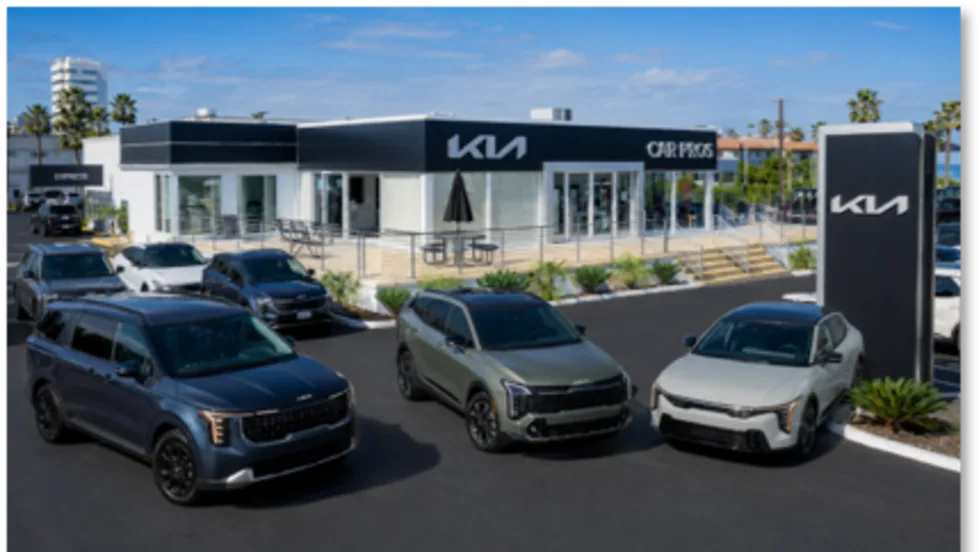
Auto Group Acquires Top-Performing Rooftop
Car Pros sold its Kia Huntington Beach location to Sutherlin Automotive Group, marking the buyer’s third location in Southern California.
Read More →
China as Pacesetter
Automotive leaders huddled on where North America stands in the global picture and how it can strengthen its position against the Asian juggernaut’s surging industry.
Read More →