



Nissan Commits to Spending $17.6 Billion on Battery-Powered Vehicles Over Next 5 Years
Automaker reports batteries will power half of the vehicles it sells by 2030.

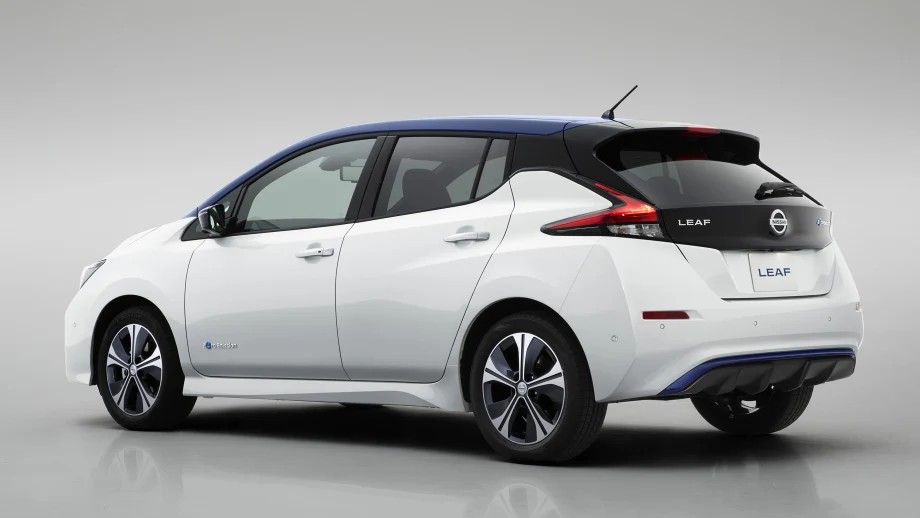
Nissan Leaf
Nissan
Nissan Motor Co. reported it plans to spend $17.6 billion over the next five years on battery-powered vehicles as it adds 20 new battery-powered vehicles to its lineup.
The automaker strives to recapture the prominence it held in the EV market after introducing the Leaf EV over a decade ago. Investors seek to invest in car makers investing heavily in EVs, including Tesla, Ford and Volkswagen.
Nissan CEO Makoto Uchida reports the company will leverage its 10-year head start in electrification to take a lead role in EV development. The amount the company plans to invest in the next five years, he says, is twice what it has spent on electric vehicles since 2010.
Uchida said he wants Nissan to take a lead role as cars shift from gasoline to electric power, but he was cautious about setting EV sales targets. Former leader Carlos Ghosn, Nissan and partner Renault SA, once promised to sell 1.5 million electric vehicles by 2016, a target they missed by a wide margin.
Nissan announced that nine of the 20 new vehicles to be introduced by 2026 will be purely battery powered EVs. The others will include Nissan’s version of gasoline-electric hybrids, vehicles powered by electric motors but equipped with a small gasoline engine to recharge the battery while driving.
Currently, EV sales are usually driven by government regulation. This will change as the technology behind the vehicles improves, according to Ashwani Gupta, Nissan’s chief operating officer. “The tipping point of EV adoption will be driven by advancement in electric platforms, powertrains and battery technologies,” Gupta said.
President Biden recently signed an executive order that aims to have EVs represent half of all new car sales by 2030. But Nissan strives to have its pure-electric or hybrid vehicles generate 40% of its U.S. sales by that date. Uchida did not provide a breakdown by vehicle type.
Nissan is working to remove expensive materials, such as cobalt from its EV batteries, to reduce the cost to $75 per kilowatt-hour. That would be 65% cheaper than the Leaf.
Nissan is also investing over $1 billion in solid-state batteries to replace the liquid electrolyte in current lithium-ion batteries with a solid electrolyte. This technology will make batteries lighter and safer, Nissan said.
Nissan will expand battery-production capacity globally to power its new vehicles. The company aims to have 52 gigawatt-hours of battery production available by 2026. Currently, Nissan plants in the U.S., U.K. and Japan can produce batteries with capacity of around 7.5-gigawatt-hours a year.
Originally posted on Auto Dealer Today
More Product & Technology
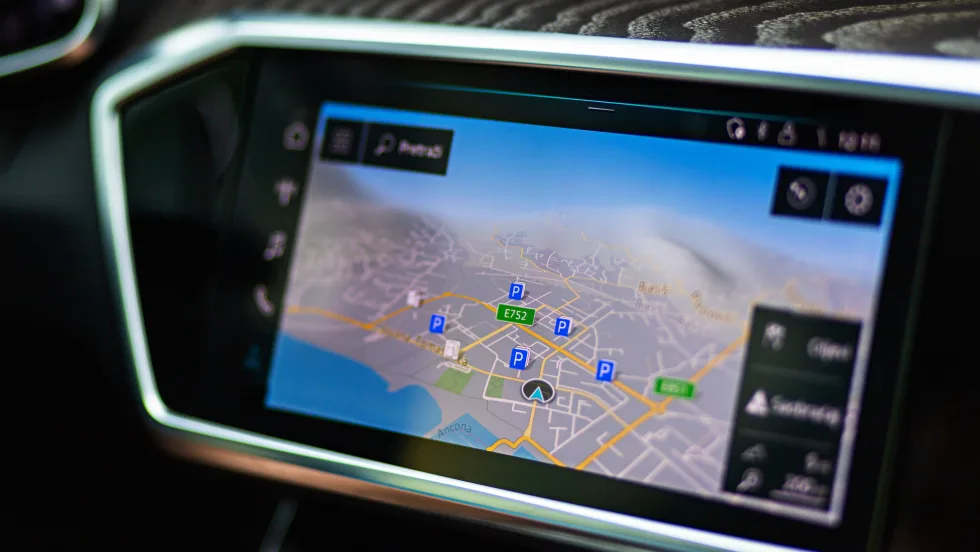
Computer Headaches on the Road
Consumers keep complaining about new cars’ infotainment tech, but are automakers listening? A recent survey shows regression except for mapping and speakers.
Read More →
Another Death Tied to Imported Air Bags
The Texas traffic fatality is the 11th federal regulators have connected to defective inflators imported from China. They urge that a certain population of used vehicles be inspected.
Read More →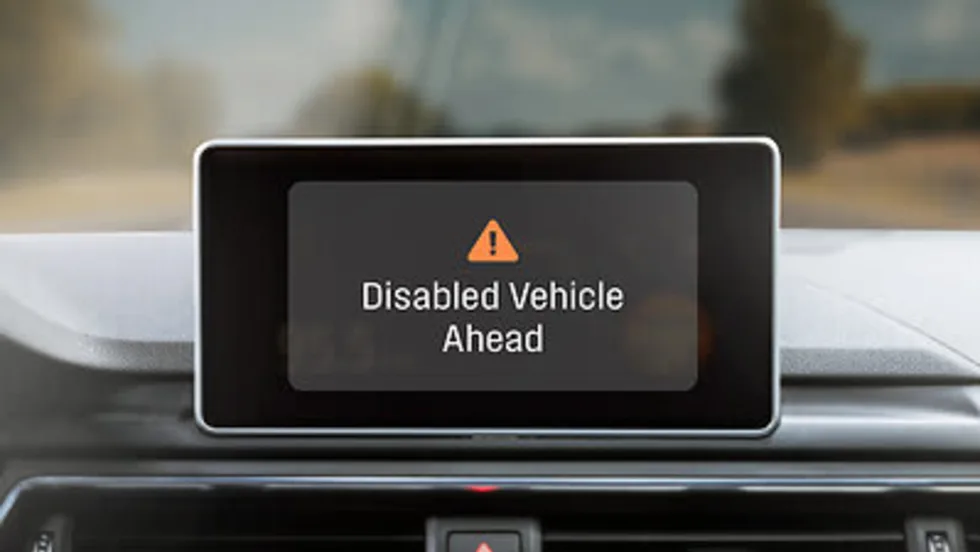
Roadside Warnings Debut
Mazda works with AAA and a technology company to alert passersby to stranded vehicles from its lineup, for both parties’ safety.
Read More →
AI As Trainer?
This month, Agent Entrepreneur Editor Hannah Mitchell shares an artificial-intelligence development that could upend traditional dealership training.
Read More →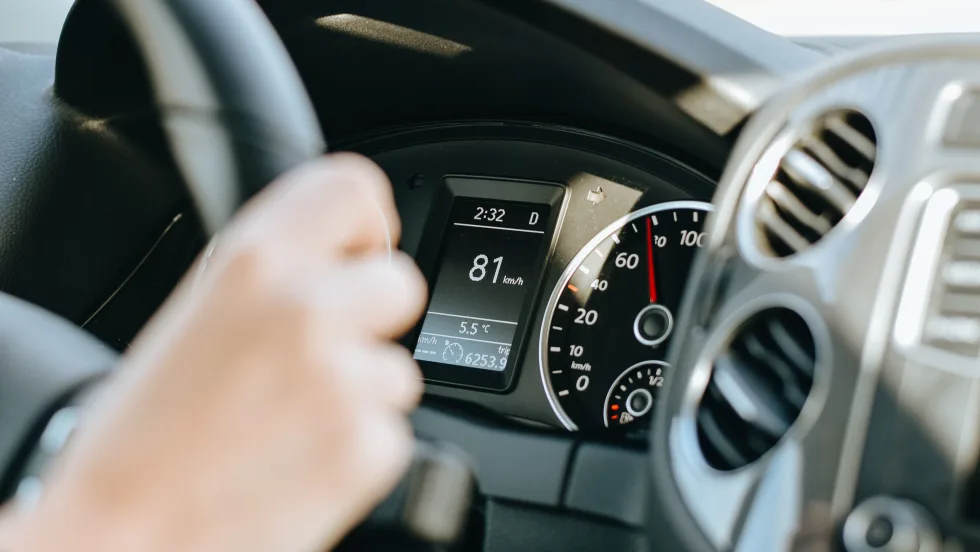
A Lingering Auto Tech Divide
Automakers still struggle to hit consumers’ sweet spot, hanging onto the despised touchscreen and adding other complex systems while simple, effective details hit the mark.
Read More →
AI, China and the Next Wave of Auto Retail Innovation
F&I sits at the center of the changes expected to sweep the industry in just the new few years as new players change the game.
Read More →
That Bot Can Do a Lot
Artificial intelligence was all the buzz at the 2026 Agent Summit. A panel of tech specialists broke through the noise to give agents guidance on steering dealer clients.
Read More →
Cyber F&I
Your dealer clients could only benefit from showcasing products on their websites along with vehicle inventory. Modern consumers expect to be informed and are more likely to buy products when they are.
Read More →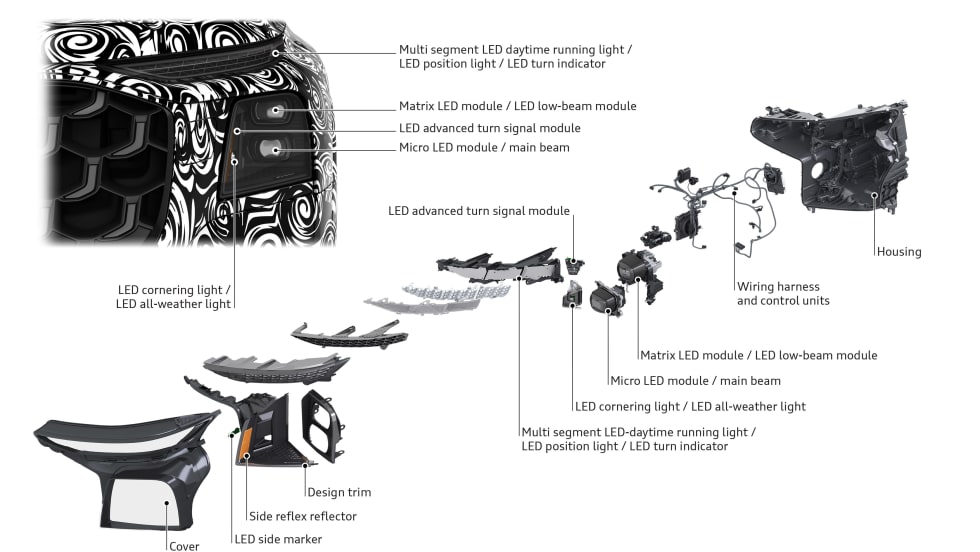
Road Glare to Drop a Notch?
Audi is preparing two SUV models for the American market with the automaker’s adaptive LED headlights. Its technology is designed to reduce brightness for other drivers, a growing complaint among U.S. motorists.
Read More →
AppOne Partners With RouteOne for E-Contracting Solution
By digitizing the entire contracting and funding process, the company says auto dealers can eliminate frustrating and disorganized manual processes.
Read More →