

New York Financial Regulator Uses Dodd-Frank to Sue Auto Lender

Via NYTimes
By his own admission, even New York’s top financial regulator did not know he could use the Dodd-Frank law to enforce consumer protections until very recently.
Once he did, however, Benjamin M. Lawsky, the state’s superintendent of financial services, put the power to use.
On Wednesday, Mr. Lawsky’s office filed a lawsuit against a subprime auto lender in New York, accusing it of violating certain provisions of the Dodd-Frank financial overhaul act.
The move appears to make Mr. Lawsky the first state financial regulator and the second state regulator to take advantage of a weapon many of his peers may not have even known was in their arsenal. And as officials across the country seek to appear tough on wrongdoers after the financial crisis, the action could encourage other state regulators to follow suit.
“The authority is clearly there, but it’s never been used by a state regulator before,” said Alan S. Kaplinsky, a lawyer who leads the consumer financial services group at Ballard Spahr. “Once Lawsky does it, other state regulators are going to look at it.”
Dodd-Frank, which was put into place after the financial crisis, contains provisions that prohibit deceptive, abusive or unfair practices by financial companies. It also allows state regulators to enforce those provisions and grants them broader authority than they would have under state law.
Mr. Lawsky’s complaint, filed in Federal District Court in Manhattan, contends that the Condor Capital Corporation, a subprime auto lender based on Long Island, siphoned millions of dollars away from the accounts of unwitting borrowers. To do this, the company would shut down borrowers’ access to online accounts after a loan had been repaid, leaving them unable to see whether an insurance payoff, overpayment or other transaction had left excess money behind, according to the suit.
Condor is also accused of having little or no standards for safeguarding its customers’ personal information. In one instance, examiners found “stacks of hundreds of hard-copy customer loan files lying around the common areas of Condor’s offices.”
The company’s executive vice president, Todd Baron, also stored “backup” tapes that contained confidential customer information without encryption at his home, according to the suit, which also names Condor’s owner, Stephen Baron, as a defendant.
“Simply put, Condor cannot be trusted to service its customers’ loans or handle their funds and data in a safe and lawful manner,” the suit says.
Soon after the suit was filed, a judge granted Mr. Lawsky’s office a temporary restraining order to freeze Condor’s accounts and operations, a spokesman at the department said. The company held more than 7,000 loans to New York State residents with outstanding balances of more than $97 million at the end of 2013, according to the complaint. Across the country, the company’s loan portfolio contained outstanding loans of more than $300 million.
A receptionist at Condor, who declined to give her name, said the company had no comment on the suit.
In his pursuit of Condor, Mr. Lawsky can seek restitution and the ability to install a receiver to run the company. He can also try to move the case into federal court, which would give his office the ability to seek relief for all of Condor’s customers, not just those based in New York. Condor operates in 30 states, according to its website.
But few state regulators have taken advantage of this ability to cast a wider net.
In March, Lisa Madigan, the Illinois attorney general, used the authority granted under the Dodd-Frank Act to sue a payday lender she accused of intentionally deceiving borrowers.
“Once Lawsky does it, other state regulators are going to look at it, and look at what Madigan did and I think it will be the beginning of a lot of additional lawsuits being brought by state A.G.s and state regulators predicated on federal law,” Mr. Kaplinsky said. “I think it will mark the beginning of a trend.”
State regulators had fewer options to pursue banks and other financial companies before the financial crisis, when enforcement was largely left to federal agencies. After the crisis, however, the government had an interest in expanding the states’ power.
“It was a reaction to the feeling at the time that the federal government had largely run roughshod over the rights of states when it came to dealing with the mortgage crisis,” Mr. Kaplinsky said. “This was a way of leveling the playing field and for getting support from the various states for the enactment of Dodd-Frank.”
More Industry

New-Vehicle Sales Balancing Act Continues
A forecast sees this month’s deliveries up from a year ago on the strength of increased incentives as consumers face high interest rates and gas prices.

Bad Roads Lead to Service Drives
A new report highlights U.S. metro areas with some of the highest rates of road-related vehicle repairs, presenting an opportunity for auto dealerships.

Auto Legends to Hall of Fame
Les Kelley of Kelley Blue Book fame and Rodney O’Neal, a transformative Delphi executive, are among a new class of five industry honorees.

Powertrain Attitudes Divided
Common misconceptions shape car buyers’ attitudes toward the different options, giving dealerships an opportunity to educate and build trust with customers.
Auto Group Exits U.S. Market
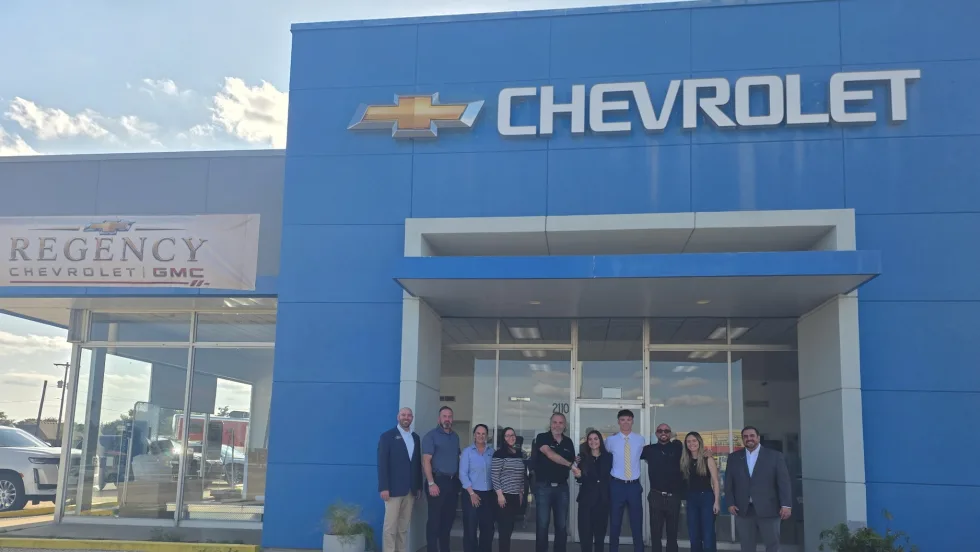
Sibling duo Gesell and Johnny Lillard enter Texas franchised automotive retail with the purchase of Solana Motors in Brady, Texas.
California Calling? What's Up With the State's New CARS Act?
Should auto dealers outside of California be concerned about its new price-transparency law? Yes, and you can guide them in the right direction.

Tennessee Transaction Latest in Buy-Sell Flurry
Four stores move from a longtime local family business to one of the country’s biggest automotive groups as part of the industry’s continued consolidation.

SUV Joins Safety Rankings
Thanks to a seat belt redesign, the Nissan Kicks has earned a Top Safety Pick award from the Insurance Institute for Highway Safety.
Nebraska Rooftop Changes Hands
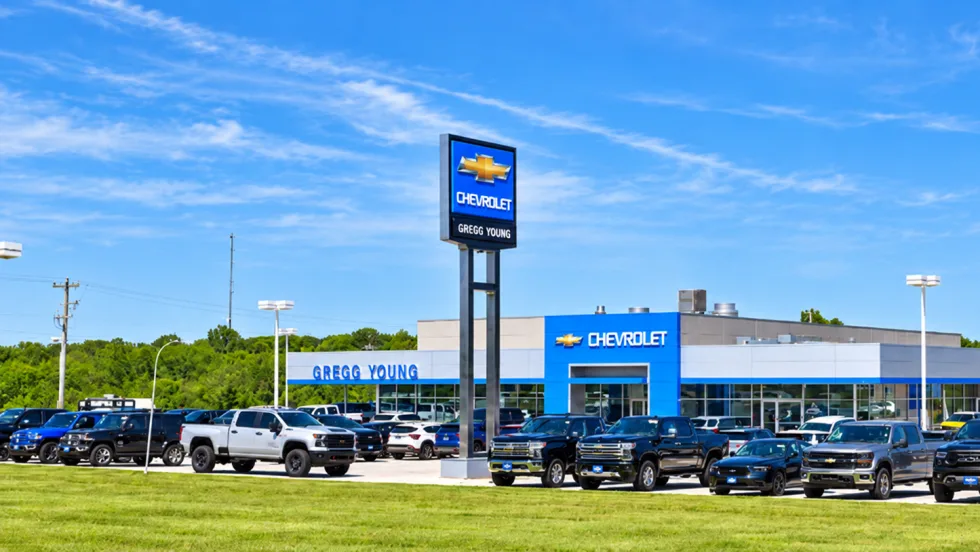
The Gregg Young Automotive Group has sold its second dealership to Janssen Auto Group, both in Plattsmouth, Neb.

Penske Auto Group Deal a Record
The deal to take the dealership and transportation services company private sets a new pace for industry buy-sell transactions.