



New Study Casts Doubt on Latest CFPB Allegations against Automaker Finance Arms
WASHINGTON – A new study by the research firm Charles River Associates (CRA) casts doubts on recent allegations made by the Consumer Financial Protection Bureau (CFPB) against Toyota Motor Credit Corp. and American Honda Finance Corp. concerning disparate impact in the pricing of auto loans, reported the NADA. Among the CRA study’s key findings was ... Read More »

WASHINGTON – A new study by the research firm Charles River Associates (CRA) casts doubts on recent allegations made by the Consumer Financial Protection Bureau (CFPB) against Toyota Motor Credit Corp. and American Honda Finance Corp. concerning disparate impact in the pricing of auto loans, reported the NADA.
Among the CRA study’s key findings was that, when measuring whether such unintentional discrimination has occurred, the CFPB overestimates the number of minority consumers by as much as 41 percent and the pricing differences between minority and non-minority consumers by as much as 87 percent.
CRA noted that several factors (which appear to be completely ignored by the CFPB) further account for pricing differences which are completely unrelated to a consumer’s background.
CRA also noted that while the CFPB’s own study into its testing methodology reveals a significant overestimation of minority populations, the CFPB still does not explain whether or how it corrects for this flaw. Such failings can produce significant distortions and inaccuracies in the CFPB testing results, and should be fully explained by the CFPB before it relies upon them to support an allegation of discrimination.
The study examined the accuracy and reliability of the method used by the CFPB to test for unintentional disparate impact discrimination in an auto lender’s portfolio. After examining 8.2 million auto finance contracts, CRA concluded in its comprehensive report that the CFPB’s testing method is “subject to significant bias and estimation error.”
The CRA study was commissioned by the American Financial Services Association and released on November 19. The allegations made against the automakers’ captive finance companies were publically disclosed on November 25 and December 2, respectively.
More Industry

Ohio Auto Group Under New Ownership
After 79 years with the Schluter family, Mansfield Auto Group has been acquired by Missouri-based Clement Auto Group.
Read More →
RV Group Expands Carolina Footprint
Blue Compass RV Columbia Northeast is the 13th RV dealership owned by Blue Compass in the Carolinas.
Read More →
Agent Acumen
An Agent Summit panel of people who’ve been supporting auto dealers for years gave both timely and timeless advice for those starting out or mulling the prospect.
Read More →
Missed Maintenance Creates Opportunity
As families get back on the road and into daily school routines, service drives have an opportunity to capture customers who are behind on recommended vehicle maintenance.
Read More →
Mitsubishi Unveils U.S. Plan
The automaker announced a strategy that includes an expanded lineup and dealership presence, along with more ‘rugged’ and electric models.
Read More →
Selling to Grow
The question of whether you should sell your agency and if so, when, is up to you. But it’s a question worth asking to ensure you keep the business on the right path for yourself, employees and clients.
Read More →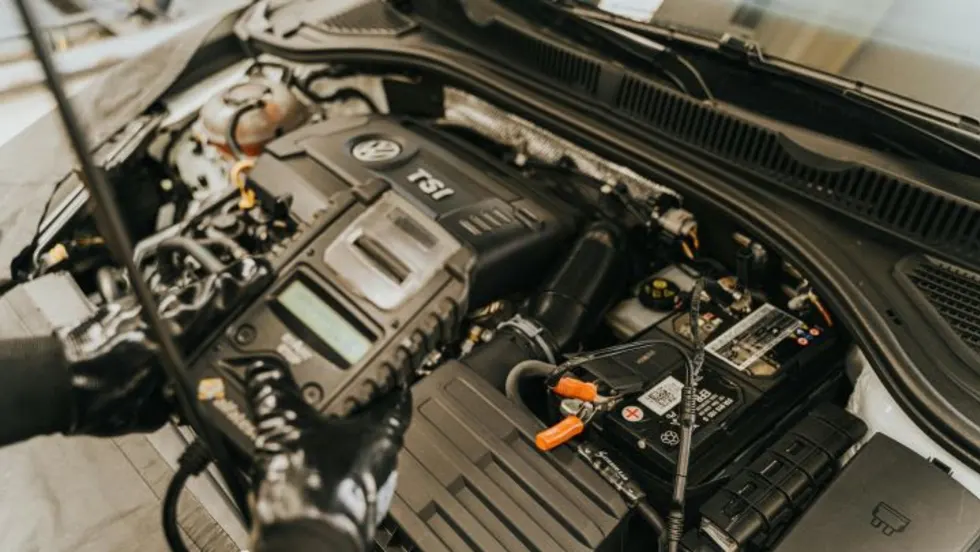
Recalled Vehicles Hit 5-Year High
Though the number of events has fallen so far this year, impacted units are up significantly. Meanwhile, regulators consider consumer notification changes.
Read More →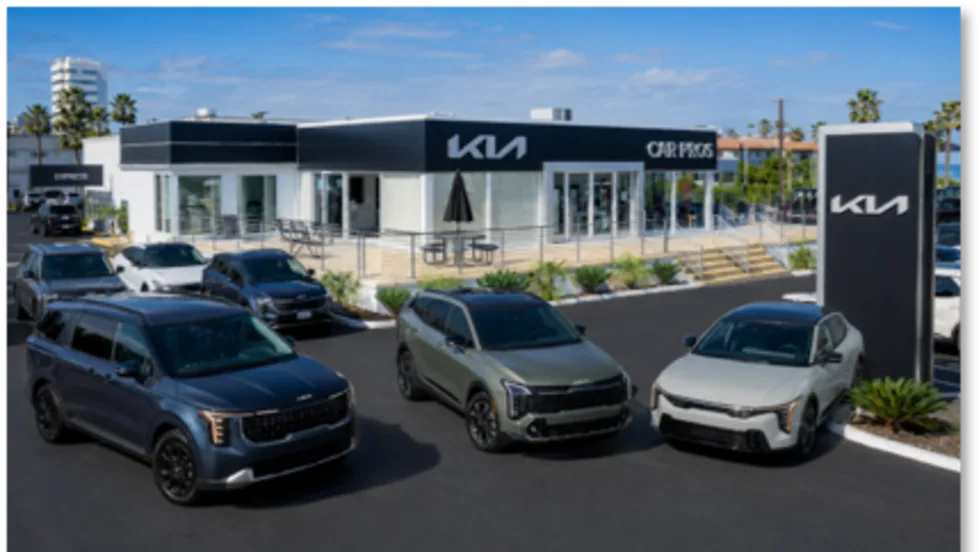
Auto Group Acquires Top-Performing Rooftop
Car Pros sold its Kia Huntington Beach location to Sutherlin Automotive Group, marking the buyer’s third location in Southern California.
Read More →
China as Pacesetter
Automotive leaders huddled on where North America stands in the global picture and how it can strengthen its position against the Asian juggernaut’s surging industry.
Read More →
BMW Concept Car Makes Fuel to Burn
The prototype developed in concert with a South Carolina university engineering team generates more solar energy than it uses in a typical daily commute.
Read More →