



New and Used Car Prices Continue Upward Climb
The average price of a new car hit $45,000 in September and reached $25,000 for the average used car, according to Kelley Blue Book.

Flickr
The average price of a new car hit $45,000 in September and reached $25,000 for the average used car, according to Kelley Blue Book.
Prices for high-end luxury cars and high-end, full-size SUVs exceeded $100,000.
New car prices increased $4,872 or 12.1% in the past year, while used car prices are up more than $5,000 vs. a year ago, reported Charlie Chesbrough, senior economist for Cox Automotive, in a webinar hosted by the American International Automobile Dealers Association.
The one month jump new car prices was $1,613, or 3.7% from August to September, said Kayla Reynolds, an analyst for Cox Automotive, parent company of Kelly Blue Book. October figures will be reported by mid-November.
Further, the average new-vehicle transaction price has hit record levels (month over previous month) for six consecutive months, reported Kelley Blue Book, which tracks market values for new and used vehicles.
Experts blame short supply and high demand as the main reasons for price increases. The ongoing semiconductor chip shortage continues to tighten new vehicle supply. Pandemic shutdowns also impacted supply.
Available supply of new vehicles was down 73% by summer’s end, or around 2.5 million vehicles (that weren’t built and sent to dealers), vs. pre-Covid 2019 days, according to Cox Automotive.
The market for used cars and trucks also has experienced an inventory shortage, which has also driven prices up.
Companies that run the wholesale, dealer-only auctions where dealers purchase much of their used inventory complain that volume is down from their biggest sources of used vehicles: customer trade-ins, lease returns, repossessions, and former daily rent-a-cars.
Customers can’t find the cars and trucks they want so they are not trading in their vehicles. Shoppers are postponing purchases in response to high prices. Lease returns are down as customers instead buy their leased vehicles instead of turning them in. The residual values stated on lease documents is typically thousands of dollars less than its actual value.
Repos also are down. During the pandemic, many lenders observed a moratorium on repossessions. Rental returns to auction houses are falling, because people traveled less during the pandemic and factories diverted new cars and trucks to retail customers instead of rental fleets.
While used-vehicle prices remain higher than a year ago, values hit a plateau on the wholesale market over the summer, according to auction firm KAR Global. Those values ticked up again in September and October.
In September, KAR Global reported the average used-vehicle price at a wholesale auction was up 20.3% since September 2019 to $15,546.
Prices are also increasing for three-year-old used cars, which are often reconditioned, given a factory-backed warranty, and resold at a premium at dealerships, as certified pre-owned cars (CPO). Prices of used midsize sedans fitting the CPO profile rose 27% in the past year and 39% over two years, reported Tom Kontos, chief economist for KAR Global. For midsize SUVs or crossovers that become CPO vehicles, wholesale prices increased 31% and 34% over the past one and two years, respectively.
For both new and used, the high demand is partly pent-up demand after pandemic shutdowns. COVID concerns also made people less likely to choose public transportation or ride sharing. U.S. households also have higher than normal high savings, reported Chesbrough.
Automakers have cut back on new-vehicle discounts. Kelly Blue Book said incentives as a percent of average transaction price fell to 5.6% in August, down from what was a 10-year low of 5.9% in July, and down from 10.1% in August 2020.
Some new-car segments saw price increases over the 12.1% average increase versus a year ago. Van prices were up 16.4%; hybrid/alternative energy (but not EVs) cars and mid-size cars, were both up 15.1%; and high-end luxury cars increased 14.4%. The average selling price of a high-end luxury car hit $119,312 in September, of a high-end luxury full-size SUV/crossover $102,191.
Categories that saw the lowest price increases versus a year ago were full-size (mainstream) SUV/crossovers, up just 2.3%; electric cars, up 3.5%; and subcompact cars, up 5%.
Individual brands with big September 2021 price increases over 2020 were Cadillac, up 51.2%; Genesis up 29.7%; and Mercedes-Benz, up 25.8%.
Originally posted on Auto Dealer Today
More Sales
September Payments Reach New Heights
Despite lower interest rates and longer loan terms, the average new-vehicle monthly payment continues to climb, and transaction prices remain high.
Read More →
Used Lots Getting the Business
Many consumers are seeking out the units to save money, and the demand – higher in July than normal – is keeping supply limited and prices up.
Read More →
Two Kinds of Agents and the 5 Ps That Separate Them
Follow these key guidelines to distinguish your agency from competitors by adding more value to your dealer clients' businesses.
Read More →
Positive Equity Reaches Record High
Mainstream vehicle owners who bought a car seven years ago are likely to have positive equity when trading in for a new vehicle, according to second-quarter Edmunds data.
Read More →
Used Market Stabilizes
The Carfax Used Car Index noted a major drop in used-vehicle price increases in July after several months of hikes.
Read More →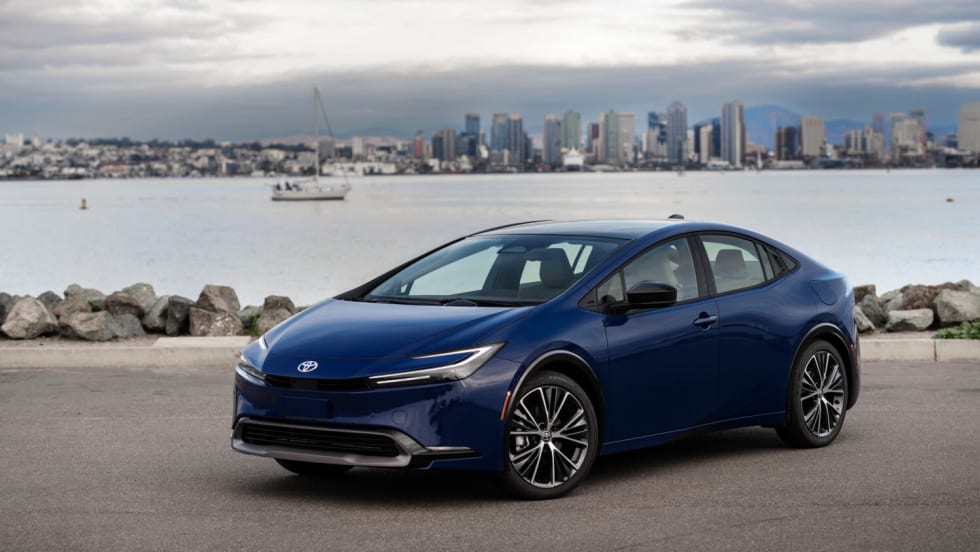
July Auto Sales Simmer
Deliveries were up modestly from a year ago despite still-high prices as OEMs offered more incentives and loan rates eased somewhat.
Read More →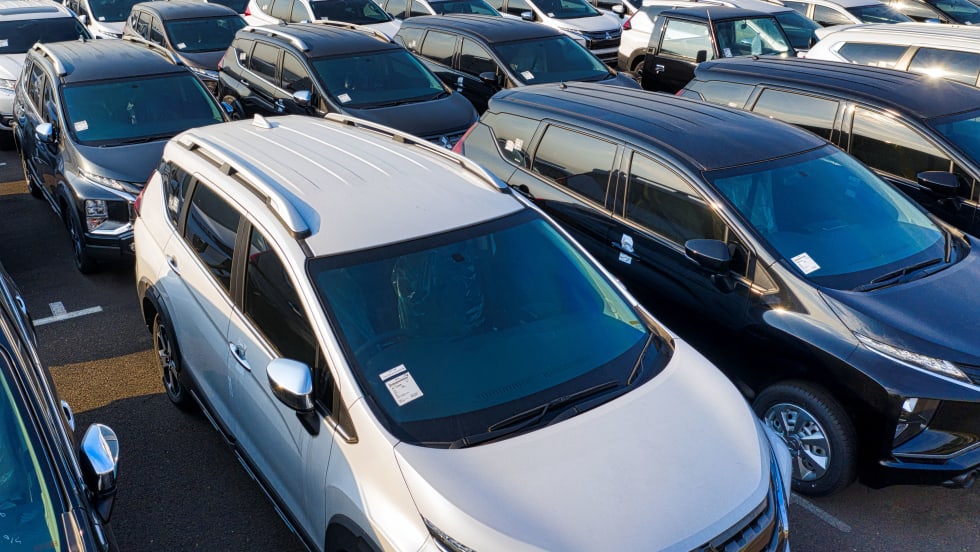
Used Sales Hit Summer Drag
The vacation season, combined with high prices, has dented deliveries and added to inventories, though supply is still slim enough to keep listings elevated.
Read More →
June Automotive Boon?
A forecast for this month’s new-vehicle sales tells a familiar 2026 story: Year-over-year comparisons must be made in light of last year’s aberrations.
Read More →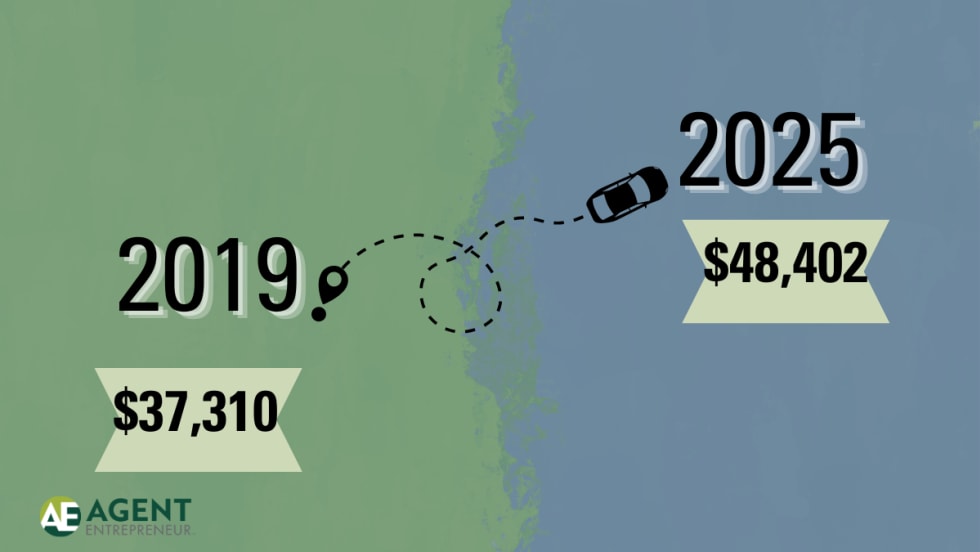
Affordable New Cars a Thing of the Past
More than one out of five new vehicles sell for more than $60,000, according to Edmunds. That's up 7% compared to prepandemic 2019.
Read More →
Legacy Automakers Risk Falling Behind
As legacy automakers, mostly in the U.S. and Japan, have revised their 2030 electric-vehicle sales targets and shifted to a hybrid focus, they risk falling behind new market leaders.
Read More →