



NADA: Vehicles are Critical in a Lockdown
America’s auto dealerships continue to work through the challenges of operating during the coronavirus pandemic. Service departments, personal transportation are still important in countries where a nationwide lockdown has been implemented.

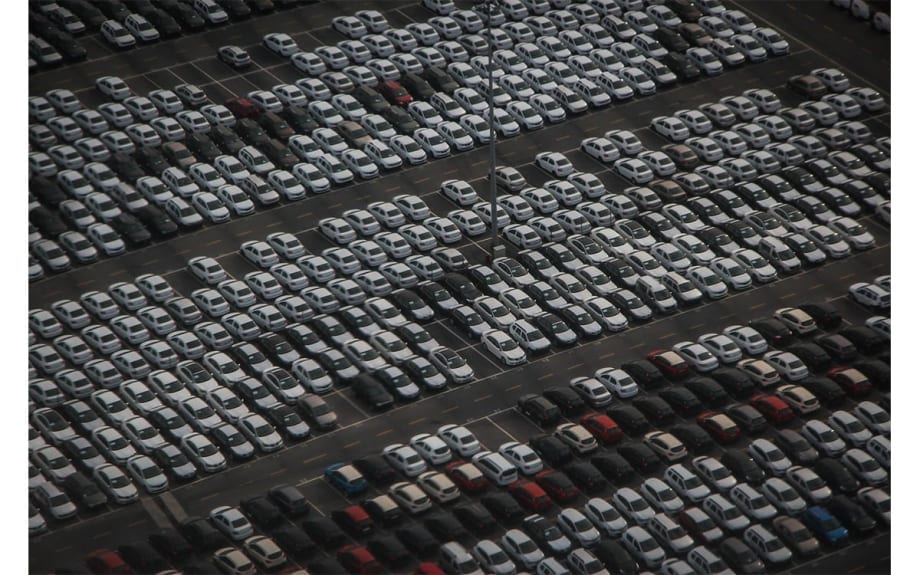
America’s auto dealerships continue to work through the challenges of operating during the coronavirus pandemic. Service departments, personal transportation are still important in countries where a nationwide lockdown has been implemented.
NADA – America’s auto dealerships continue to work through the challenges of operating during the coronavirus pandemic.
As we have seen recently, the challenge becomes even greater in countries that have implemented nationwide lockdowns, including China, Italy, Spain and Germany.
The main lesson from these lockdown countries is that while the economy slows down during the pandemic, it becomes more important than ever that people—including medical workers, first responders, delivery drivers, construction workers and others—have a reliable way to get to critical jobs and deliver essential goods and services.
Italy: Deliveries Still Necessary in a Lockdown
In Italy, a nationwide lockdown started on March 9, with people being allowed to leave their homes only “for necessity, work, and health circumstances.” With scaled back and limited public transportation options, people who need to leave home to attend essential work, purchase food at the supermarket, medicine at the pharmacy or go to a hospital or doctor’s office require a working car.
In Italy, where the government has allowed repair, maintenance and parts deliveries to continue during the nationwide lockdown, the national dealers’ association, Federauto, recently urged its dealers “to limit face-to-face contact with customers, follow hygiene guidelines and promote online sales where possible,” Automotive News Europe reports.
While supermarkets and pharmacies remain open in countries that have a nationwide lockdown in place, online deliveries take off as well. The news of the Italian lockdown led to surge in grocery delivery services, similar to what we are currently seeing in the U.S. “The day after [Prime Minister Giuseppe] Conte announced the national lockdown, Rome supermarket entrances were jammed with bicycle couriers, mostly immigrants from Africa and South America, jostling for orders. By then Milan had settled into a home-delivery routine that has left residents waiting more than a week for a slot to get groceries,” according to Bloomberg.
Despite an early run on pasta in Milan, supermarkets and pharmacies in these lockdown countries are restocking constantly and delivery trucks are still on the roads.
Chinese Dealers Slowly Return to New Normal
China implemented the largest—and perhaps strictest—quarantine to try to contain the coronavirus, locking down 20 cities total, including the city at the epicenter of the outbreak, Wuhan on Jan. 23. Measures included only allowing one household member to leave at a time, mandatory temperature checks and, in some provinces, banning the private use of cars. In these extreme cases, community officials purchased and delivered food to quarantined residents, using their own personal vehicles.
The Chinese government took immediate action, building two quarantine hospitals in just over a week. “A team of 7,000 carpenters, plumbers, electricians and other specialists worked around the clock to build the Huoshenshan hospital, Chinese state media said, with construction beginning on Jan. 23 and completed on Sunday,” France24 reported. The hospital was also staffed by more than 1,400 army medics—a Herculean effort that undoubtedly required van and bus drivers as well as a fleet of cars, trucks and other delivery vehicles.
China has slowly begun to return to business, including reopening 91% of its’ franchised new car dealerships, Auto News reports, however, sales and showroom foot traffic remains low as consumers get back to work and the new normal.
Europe Allows Limited Service Activities
The good news is that in many of these cases countries, including France, Spain and Belgium, have deemed auto service and repair as an essential business and dealerships were able to continue service operations. However, Spain’s dealer group, Faconauto, suggested its members halt sales and repair activities for 15 days and focus instead on setting up “task forces and help lines to handle urgent customer requests from critical sectors such as transport and logistics, health care, and agribusiness,” Automotive News Europe noted.
What Will Happen in the U.S.?
While the United States doesn’t appear to be heading towards a nationwide lockdown, several cities and states, including California and New York, have issued shelter-in-place or “safer at home” orders. Which means residents can still take part in activities essential to the health and safety of family and pets, ie: going out to buy groceries, pick up medicine, visit the doctor or exercise outdoors.
Last week at the urging of NADA and the Alliance for Automotive Innovation, the Trump Administration issued guidance classifying automotive services as essential operations when federal, state, and local officials impose certain requirements due to the coronavirus outbreak.
Now NADA and its industry partners are urging the administration to issue a similar guidance clarifying “that certain sales and leasing activities at franchised new-car and -truck dealers are essential services to be maintained during the COVID-19 pandemic, provided these limited activities are conducted in a manner that protects the general public, our customers and our employees.”
Originally posted on F&I and Showroom
More Industry

RV Group Expands Carolina Footprint
Blue Compass RV Columbia Northeast is the 13th RV dealership owned by Blue Compass in the Carolinas.
Read More →
Agent Acumen
An Agent Summit panel of people who’ve been supporting auto dealers for years gave both timely and timeless advice for those starting out or mulling the prospect.
Read More →
Missed Maintenance Creates Opportunity
As families get back on the road and into daily school routines, service drives have an opportunity to capture customers who are behind on recommended vehicle maintenance.
Read More →
Mitsubishi Unveils U.S. Plan
The automaker announced a strategy that includes an expanded lineup and dealership presence, along with more ‘rugged’ and electric models.
Read More →
Selling to Grow
The question of whether you should sell your agency and if so, when, is up to you. But it’s a question worth asking to ensure you keep the business on the right path for yourself, employees and clients.
Read More →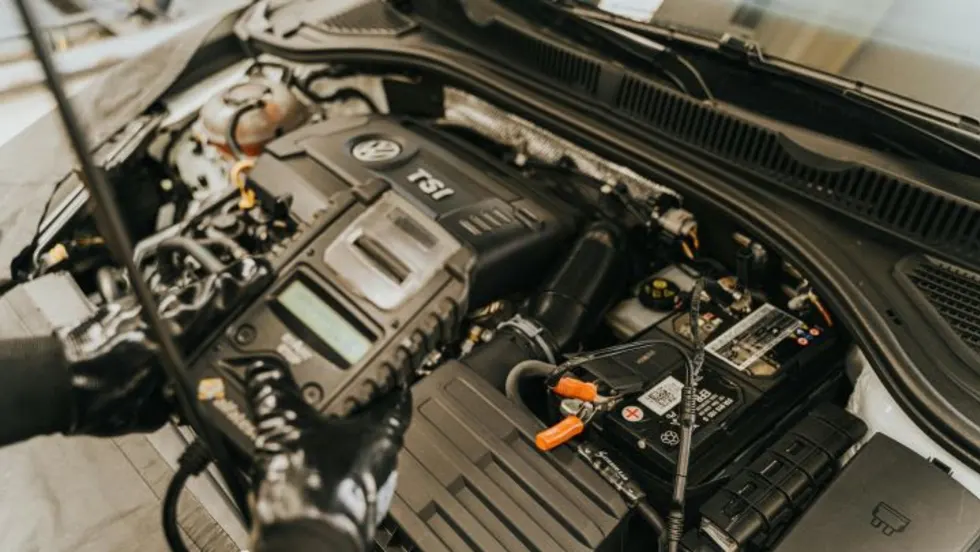
Recalled Vehicles Hit 5-Year High
Though the number of events has fallen so far this year, impacted units are up significantly. Meanwhile, regulators consider consumer notification changes.
Read More →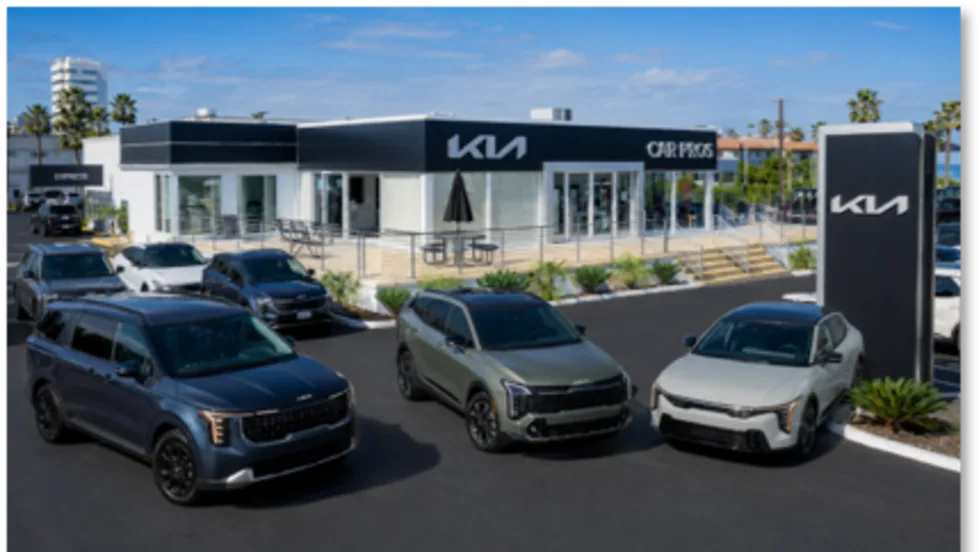
Auto Group Acquires Top-Performing Rooftop
Car Pros sold its Kia Huntington Beach location to Sutherlin Automotive Group, marking the buyer’s third location in Southern California.
Read More →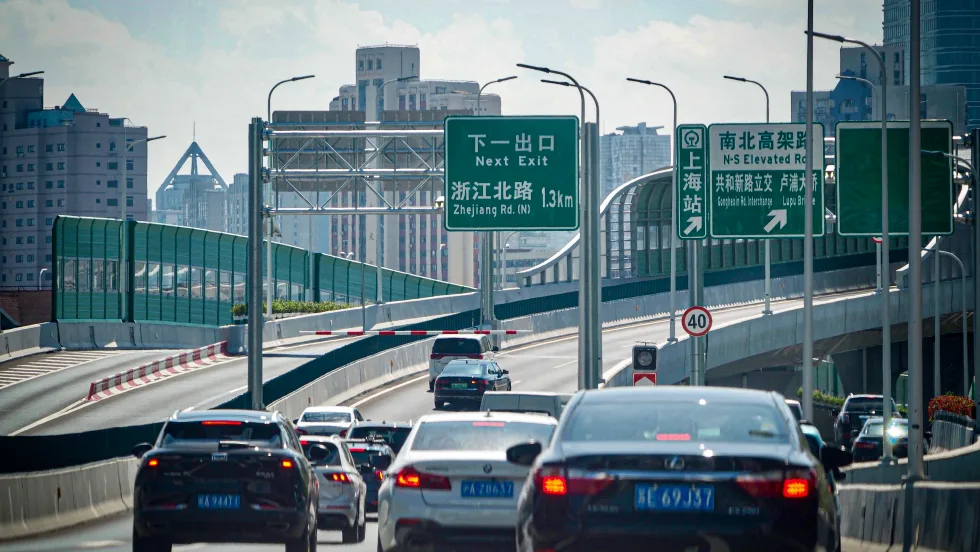
China as Pacesetter
Automotive leaders huddled on where North America stands in the global picture and how it can strengthen its position against the Asian juggernaut’s surging industry.
Read More →
BMW Concept Car Makes Fuel to Burn
The prototype developed in concert with a South Carolina university engineering team generates more solar energy than it uses in a typical daily commute.
Read More →
South Carolina Auto Group Downsizes
Florida-based group Holler-Classic has acquired four rooftops, its first in South Carolina, from Dick Smith Automotive Group.
Read More →